Beyond Investment: How Uzbekistan Is Building a Modern Capital Market
Recent Articles
Author: Ana Maria Kvatashidze
07/31/2026
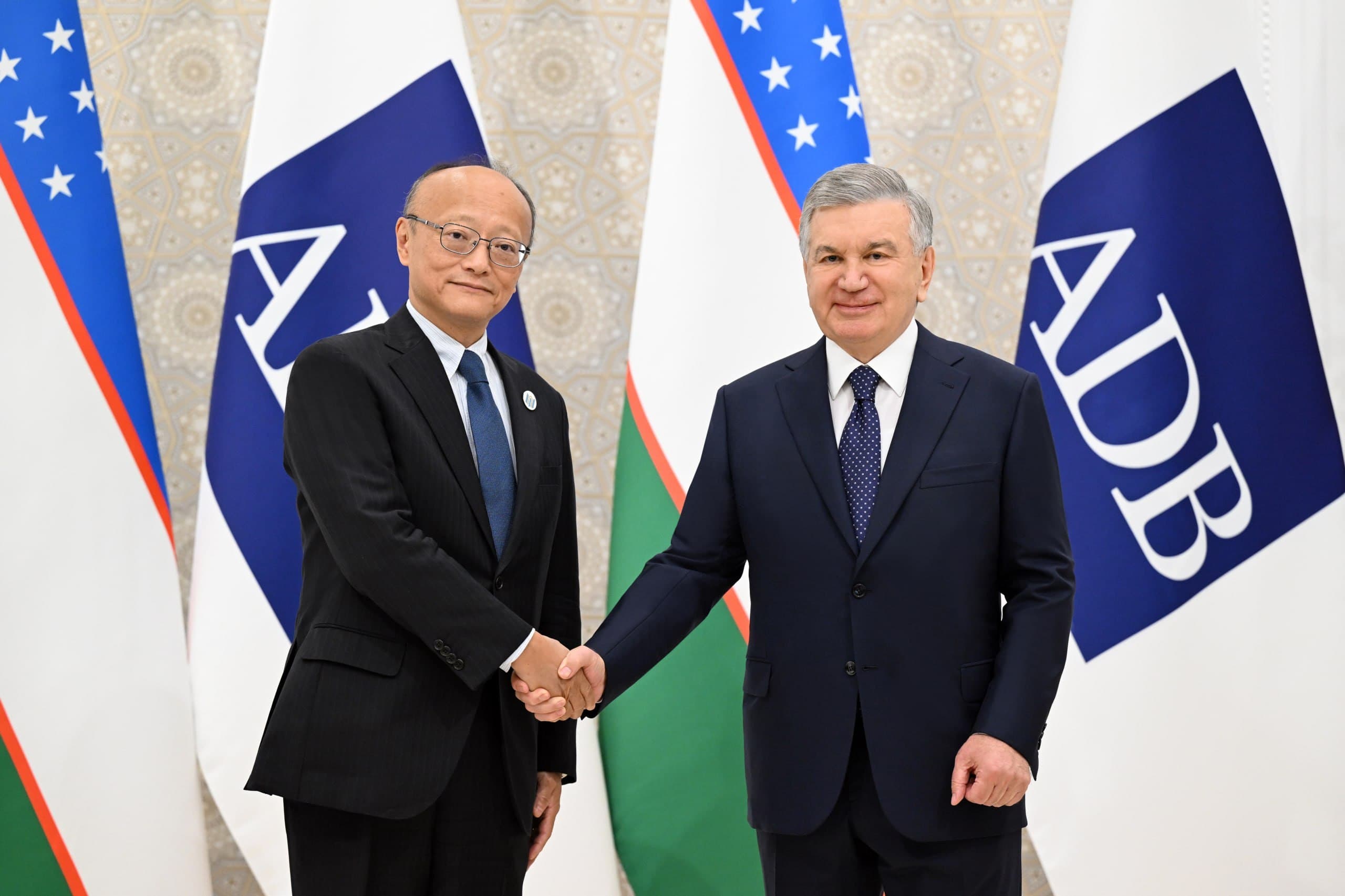 President of Uzbekistan via x.com
Uzbekistan is entering a new stage of financial reform. Having liberalized large parts of its economy over the past several years, policymakers are now focused on modernizing the country's financial system and developing deeper capital markets. In recent months, the government has introduced reforms spanning local-currency financing, investor protection, new financial instruments, market infrastructure, and access for international investors.
Building a Local-Currency Market
Earlier this year, the government issued $1 billion in som-denominated sovereign bonds at a historic low interest rate, attracting strong international demand. Expanding the market for Uzbek som-denominated securities reduces reliance on foreign-currency borrowing and the associated exchange-rate risks. Financing long-term investment in local currency also strengthens financial resilience and makes monetary policy more effective. Shortly thereafter, the National Agency for Prospective Projects authorized 14 international financial institutions, including the World Bank, IFC, ADB, and EBRD, to issue their own som-denominated bonds, broadening the country's local-currency capital market.
Equally important, allowing multilateral lenders such as the World Bank, IFC, ADB, and EBRD to issue local-currency bonds supports the development of Uzbekistan’s domestic capital market. Their presence helps establish pricing benchmarks for future issuers. Over time, repeated issuance by IFIs should deepen the investor base, strengthen the local yield curve, and improve secondary-market liquidity.
Strengthening Market Institutions
Uzbekistan is also overhauling the legal framework governing its capital markets through a new Capital Markets Law developed with international financial institutions. The legislation would strengthen investor protection, modernize market infrastructure, introduce derivatives and Islamic finance instruments, and align regulation with international standards.
The Central Bank has established the Council on Islamic Finance to implement these reforms developing national standards, advising regulators, and representing Uzbekistan within AAOIFI, the world's leading Islamic accounting and governance organization. The Council provides an institutional mechanism for developing the regulatory and governance framework needed to expand Shariah-compliant finance in Uzbekistan.
Uzbekistan, this May, also took another step in developing its equity market by completing the dual listing of approximately 30 percent of the National Investment Fund on the Tashkent and London stock exchanges. The government sold a 31 percent stake for $604 million, valuing the fund at $1.95 billion. UzNIF holds minority stakes in 13 state-owned enterprises across several sectors, giving investors diversified exposure to assets that would otherwise remain difficult to access.
This transaction created a market valuation for part of the state portfolio and monitors international demand for Uzbekistan’s broader privatization pipeline. The offering attracted more than $2.8 billion in orders, while the government plans further listings of major state-owned companies. By bringing SOEs into public markets, the reform expands the supply of investable assets while strengthening transparency, corporate governance, and price discovery.
Expanding Market Access
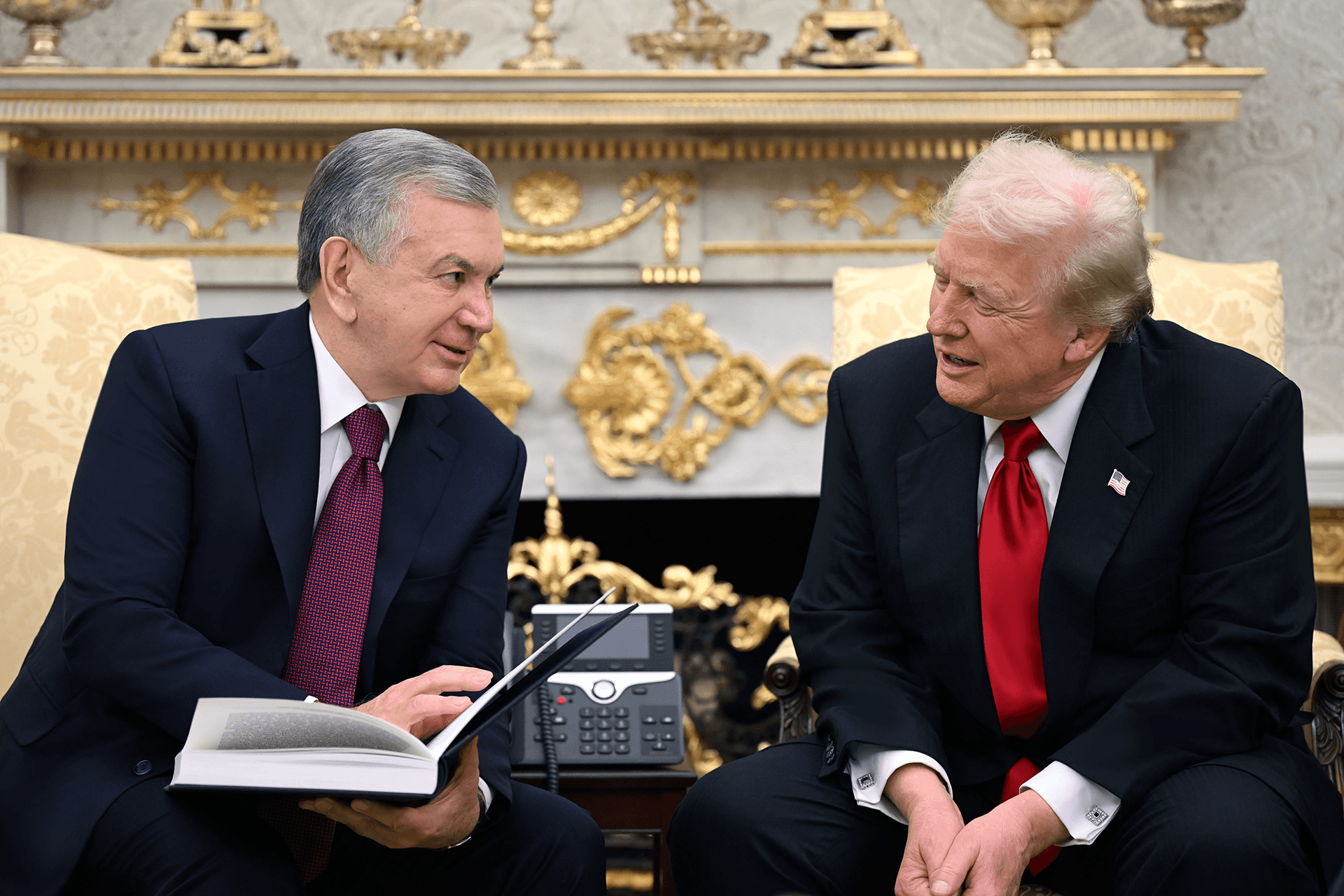
Improving market access has become another pillar of Uzbekistan's capital-market reforms. The Bank of Georgia became the first foreign institution to receive foreign nominee holder status, allowing it to maintain securities and cash accounts within Uzbekistan's market infrastructure without obtaining a local license. As a custodian for Bank of New York during the National Investment Fund's IPO, the BOG enabled international investors to purchase Uzbek securities more easily. By expanding custody services and eliminating operational barriers, Uzbekistan is making its capital market more accessible to foreign investors.
Market-access reforms are not limited to foreign investors. Uzbekistan has introduced a new category of regulated electronic investment platforms through which start-ups and SMEs can raise capital directly from investors using equity, partnership, venture, and project-based financing. The platforms are designed for firms that are not yet mature enough to access public capital markets.
Building an International Financial Centre
While previous reforms focus on strengthening Uzbekistan's domestic capital market, the government is also seeking to position the country as a regional financial hub. In March 2026, it launched the Tashkent International Financial Centre, which is expected to operate under a special legal and tax regime based on English common-law principles, with a dedicated commercial court and international arbitration center.
The government estimates the project could attract an additional $20–25 billion in investment by 2030, increase annual GDP growth by up to one percentage point, and create 15,000 skilled jobs. A constitutional law establishing the center is expected to follow. Stronger domestic markets improve the availability of financial instruments, while an international financial center aims to provide foreign investors with a legal and institutional environment that is familiar and predictable.
The next stage, however, may be the most challenging. Laws and institutions can establish market architecture, but they cannot create liquidity on their own. Long-term success will depend on: 1) whether private companies issue securities regularly, 2) domestic institutional investors become active participants, 3) secondary-market trading deepens, and 4) the country's new financial institutions earn the confidence of both domestic and international investors.
If implementation equals ambition, Uzbekistan could emerge not only as one of Central Asia's leading destinations for investment, but also as one of the region's most mature and internationally connected capital markets.