Building The Architecture of Peace Between Azerbaijan and Armenia
Recent Articles
Author: James Sharp
12/17/2025
 President of the Republic of Azerbaijan
Whenever someone mentions Azerbaijan and architecture in the same breath, I always think of the Heydar Aliyev Centre in Baku, an iconic landmark designed by the British architect Zaha Hadid. It’s beautiful - but puzzling. No straight lines, lots of curves, and inside it’s difficult to work out how to get from A to B.
And yes, of course, I’m also talking about the Azerbaijan-Armenia relationship over the past few years. No straight lines, and stop-start, convoluted negotiations on all the key issues - a peace deal, border delimitation, the Nakchivan link. Finding the route from war to peace is not straightforward.
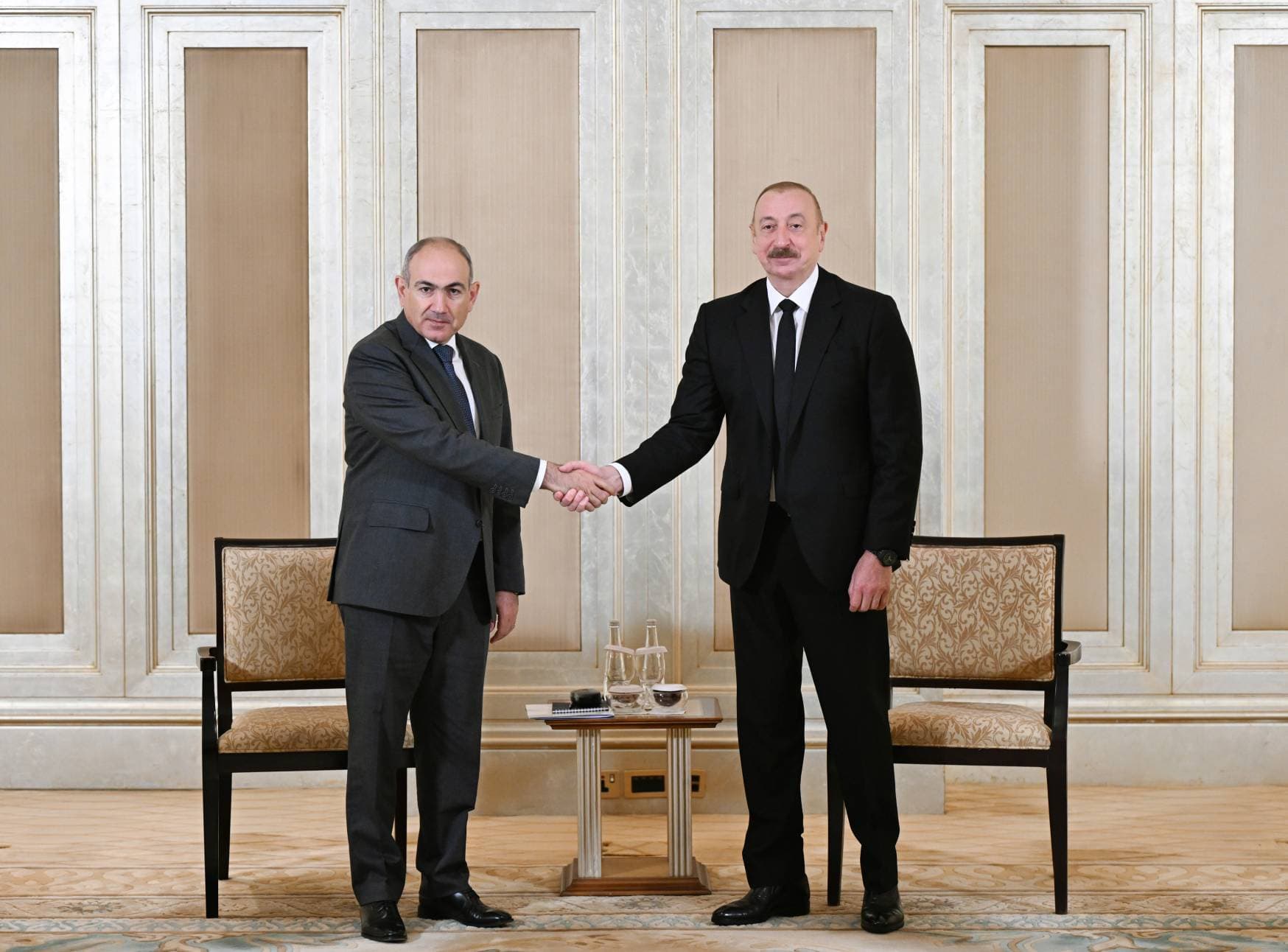
But the deal initialled on 8 August at the summit in Washington and the announcement of the TRIPP (Trump Route for International Peace and Prosperity) has brought much clarity, and has shown us what this new new building called peace looks like. The architects of the agreements deserve much praise.
But at the same time it’s important to recognise two things.
First, the peace deal - the basic structure of the new architecture of peace - is not yet done. It still awaits signature, because Azerbaijan - not unreasonably - first wants to see the Armenian constitution changed to remove any suggestion of a territorial claim on Azerbaijani lands.
Second, a peace treaty is not the same as peace. A peace deal is what we call a “necessary but insufficient” step. Real long-term peace depends on the buy-in of the people of both countries, and changes in attitudes towards each other.
The peace deal
On the peace deal itself, Pashinyan’s success in Armenian elections next Spring and in securing support for a new constitution (which he wants anyway regardless of Azerbaijan) is critical. Everyone interested in a peace agreement should be working to support him, to show the voters that the pursuit of peace is delivering benefits for Armenia. Azerbaijan’s agreement to allow Kazakh grain to be shipped across Azerbaijan to Armenia, and to deliver fuel from Azerbaijan are both valuable steps.
There are other steps Azerbaijan can take, such as giving Armenia some “wins” on the border delimitation process, and possible moves on the future of those Karabakh Armenians on trial in Baku. Turkey too has a role to play on issues such as border crossing points. And it’s also important that those outsiders who support a peace deal - the EU, the US - should offer tangible support for the peace deal, while being careful not to upset the fragile dynamics at play in the relationship between the two countries.
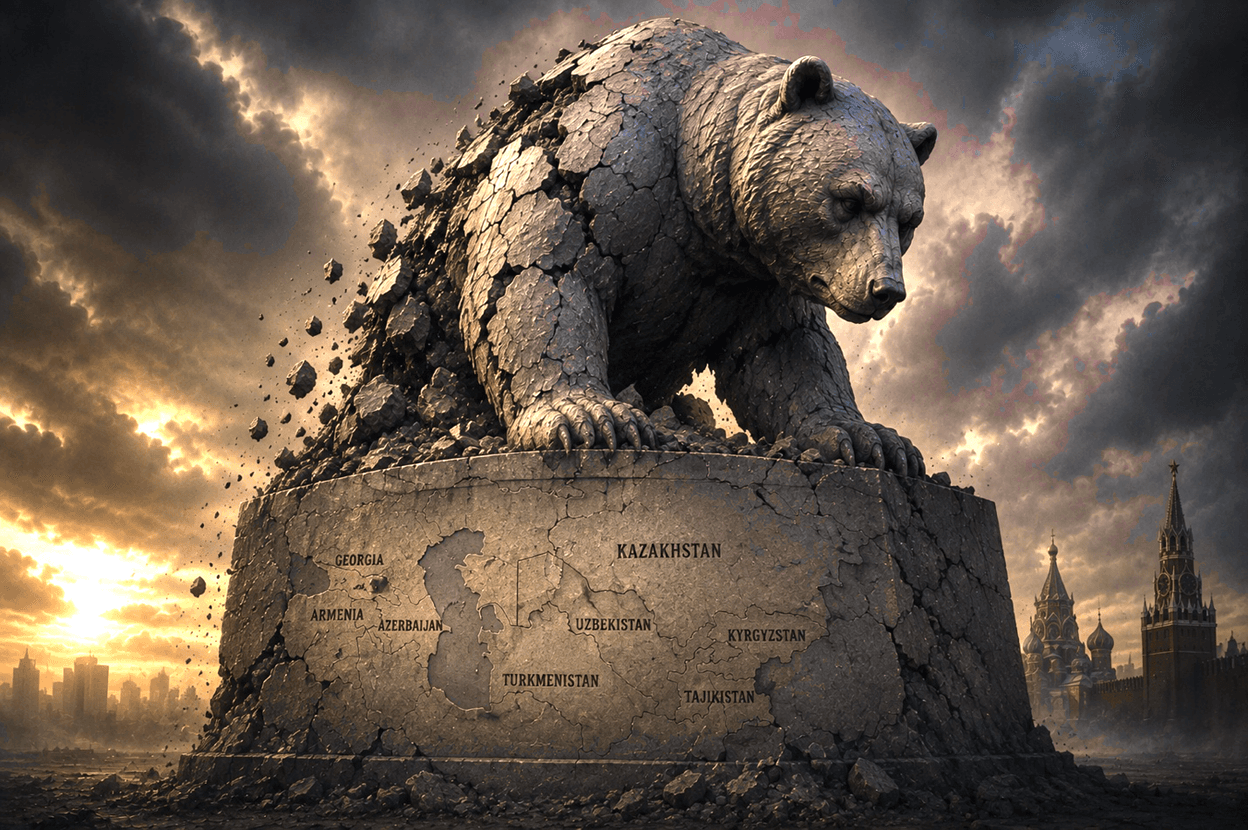
It will also be important to ensure that the voices of those who want to see a peace deal fail should be countered robustly. Russia launched significant disinformation and campaigns and spoiling tactics around the various Moldovan elections (Presidential, EU referendum, parliamentary), and - given Russian economic and military interests are even greater in Armenia - we can expect the same tactics.
The Armenian diaspora too can be a factor, and there is vocal opposition to Pashinyan’s attempts to focus the electorate on “Real Armenia” rather than “Historic Armenia”. Now that the US and the EU support the signing of the peace deal, many in the diaspora appear to have switched their focus away from trying to influence Western policy, and instead are encouraging domestic opposition to Pashinyan.
Some of the opposition to Pashinyan undoubtedly comes not from his pursuit of a peace agreement, but due to his apparent moves away from Russia in favour of a closer relationship with the EU. Time and again we have seen a strong Russian reaction to such attempts in the former Soviet space, and while it is clear that every country has the right to decide its own future, and moves towards Europe and the West should be applauded, there have to be questions as to whether this is a fight Pashinyan needs to pick right now before the peace deal and constitutional issues are settled.
Broader peace
But despite this focus on the peace deal itself, it is important that the parties also start work on the broader architecture of peace beyond the treaty, ie how to create long term peace between the peoples and countries. It’s important to normalise the peace process. And it’s important to do so at different levels.
So far, the pursuit of peace has taken place at the level of the top of government, with little role for those at lower levels. For sure, a peace agreement needs to be negotiated and signed by the two governments, but it has to be accepted by society at large. There is still much distrust and negativity towards each other, and in Armenia the losses in 2020 and 2023 are still strong. So there is a need not only for a top-down approach, but also a bottom-up one, one that involves the various communities. People need to feel part of the process if peaceful co-existence is to become a reality.
In the past few weeks, we’ve seen exactly one of those lower level processes start, with reciprocal visits by Azerbaijani and Armenian think-tankers to each others’ country. For sure, there was criticism in some circles in Armenia (and particularly in the diaspora), but the world didn’t end, and Armenians and Azerbaijanis were able to visit each other’s capital city without riots and demonstrations. Do more visits and exchanges like this, build the Track 1.5 and Track 2 dialogues, facilitate exchanges and visits between the media, and it starts to become routine.
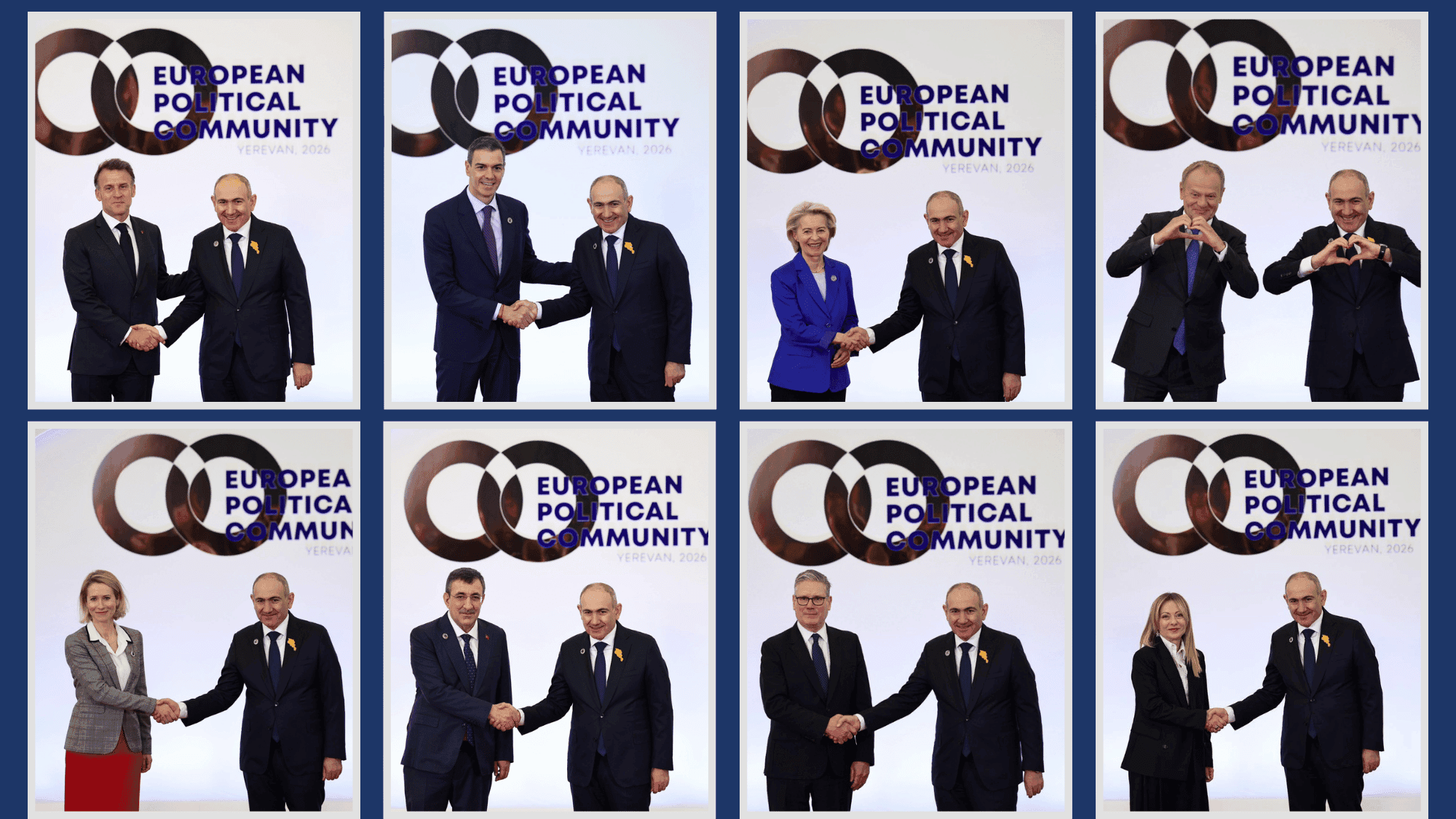
So make a point of announcing attendance at international events in each other’s country. An early commitment by Azerbaijan to attend the European Political Community summit in Yerevan next June, and the COP17 Biological Diversity summit next October would be good signals.
Education links are also extremely important, because they involve young people, the future of both countries, and who have been brought up with negative stereotypes of the other nation. School exchange trips, joint projects (perhaps digital), and sports events should all be on the agenda, particularly for those communities close to each other on either side of the border. Such exchanges could perhaps even include the Azerbaijani and Armenian communities that live beside each other in Georgia. Perhaps also day trips from Armenia to the monasteries in Karabakh, such as Khudavang, could be offered. And joint cultural events, showing the regional heritage to the world, should be considered.
At the next level up, opportunities for cross-border technical cooperation need to be pursued. Coordinating on water resources is a clear need, and the Baku Dialogue on Water and Climate Change established at COP29 is one obvious vehicle. Electricity supplies, gas supplies, wider transport links are other clear needs that could deliver benefits, and some conversations are already taking place. Border delimitation itself also needs to maintain momentum, so the recent meeting in Qabala, Azerbaijan - and the commitment to hold the next meeting in Armenia - are positive. Showing visible results from these meetings would help demonstrate their value.
None of this is going to be quick and easy, given the mutual distrust and the scars of conflict. But the process needs to begin.
A wider framework for peace
Another building I would flag up is the Berlaymont in Brussels, as a symbol of the EU. When the EU was originally created as the European Coal and Steel Community (1951), the aim was to bind the previously enemy countries into a wider structure that would prevent war breaking out again. And that seems to me to be an integral element of the architecture of peace in the South Caucasus too. How to bring together the two countries in a wider framework that creates economic links and dependencies, both between them and with other regional countries. Frankly, this is good economics in itself, not just as a driver of peace. All three countries in the South Caucasus are relatively small and isolated. To be successful over the long run, they need to cooperate with each other economically, on trade and investment. And the more this happens, the more the relationships become normalised.
The 3+3 format proposed by Azerbaijan and Turkey after the 2020 conflict was one attempt at creating these wider structures. We know that it hasn’t worked due to Georgian non-participation, and due to a wider lack of trust between the various players. I have previously proposed a reformatted 3+3, with the South Caucasus countries joined by outsiders who all want to support peace and development in the region - the US, EU and UK.
For sure, geography matters - as the British have discovered post-Brexit. So links - trade, communications - with the regional powers will undoubtedly remain key. But the Western 3 can add something. The US is now heavily invested in peace in the region with the TRIPP and President Trump’s role in convening the Washington summit. It no doubt has more to offer, as do the EU and UK. The EU in particular has the Global Gateway programme to fund infrastructure and connectivity projects. Yes, these Western countries have political difficulties with Georgia, but, in my view, involving Georgia in a regional economic and development setting, focusing on transport links and trade, is probably a better way to engage them than the current approach of sanctions.
Another regional framework of value to all three countries is of course the Middle Corridor and wider East-West connectivity - whether rail, road, energy or digital. And Azerbaijan’s recent membership of the C5 grouping - now the C6 - adds weight to this. The region no longer stops at the shores of the Caspian Sea, but is a continuum from Turkey through to Kyrgyzstan. These developments are all giving the countries of the region more agency, and more opportunities to benefit from trade and investment. Realising these opportunities then feeds back into the peace process, allowing the populations to see the benefits of peace.
In conclusion, the architecture of peace needs to be both short term and long term; top down and bottom up, involving different levels of engagement; and comprising country and regional approaches, supported by outside powers. And it needs to address not only the technical issues, but also the social and psychological issues that keep people apart.
Since 2020 I have always felt optimistic that peace would come to the region. Yes, it’s not been straightforward. Yes, it isn’t quick. But there is clearly now an opportunity to demonstrate a successful post-conflict transition that could offer lessons for others.