Securing the Caspian: The Quiet Strategic Shift Behind America’s Caucasus Diplomacy
Recent Articles
Author: Luke Coffey
03/06/2026
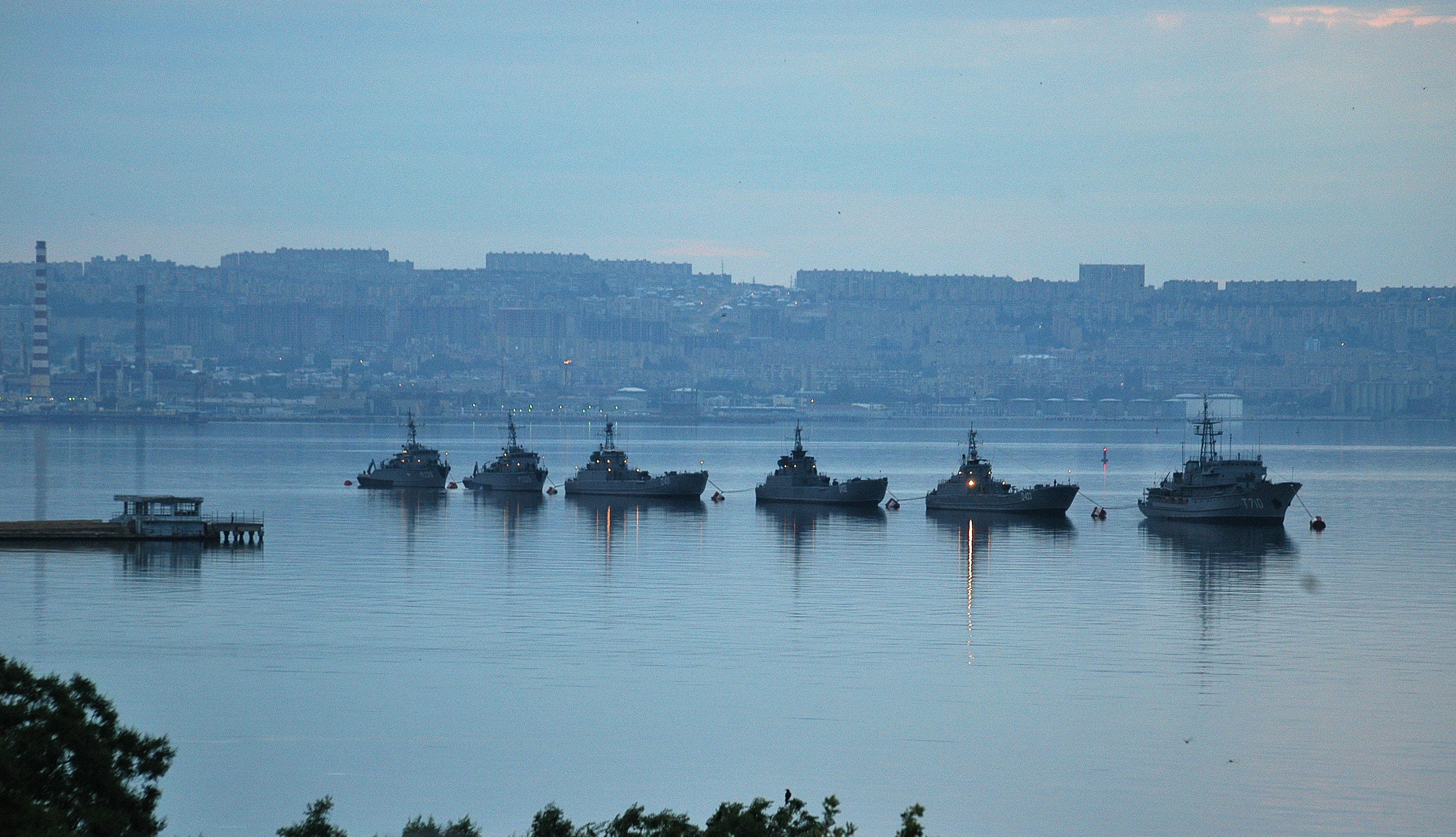 shutterstock.com
With Vice President J.D. Vance’s recent visit to Armenia and Azerbaijan, most of the headlines were focused on the peace efforts led by President Trump after the meeting at the White House last August between the countries’ two leaders. After more than three decades of intermittent conflict and failed mediation efforts, President Trump achieved what many believed was impossible: he planted the seeds for lasting stability in a region long defined by volatility.
Yet one aspect of Vice President Vance’s visit to Azerbaijan received far less attention, despite its strategic importance. While in Baku, he announced that the United States would provide security assistance to Azerbaijan, specifically referencing boats that could be used in the Caspian Sea. Though modest at first glance, this commitment could carry significant geopolitical implications. Without a secure Capsian, regional transit routes cannot function.
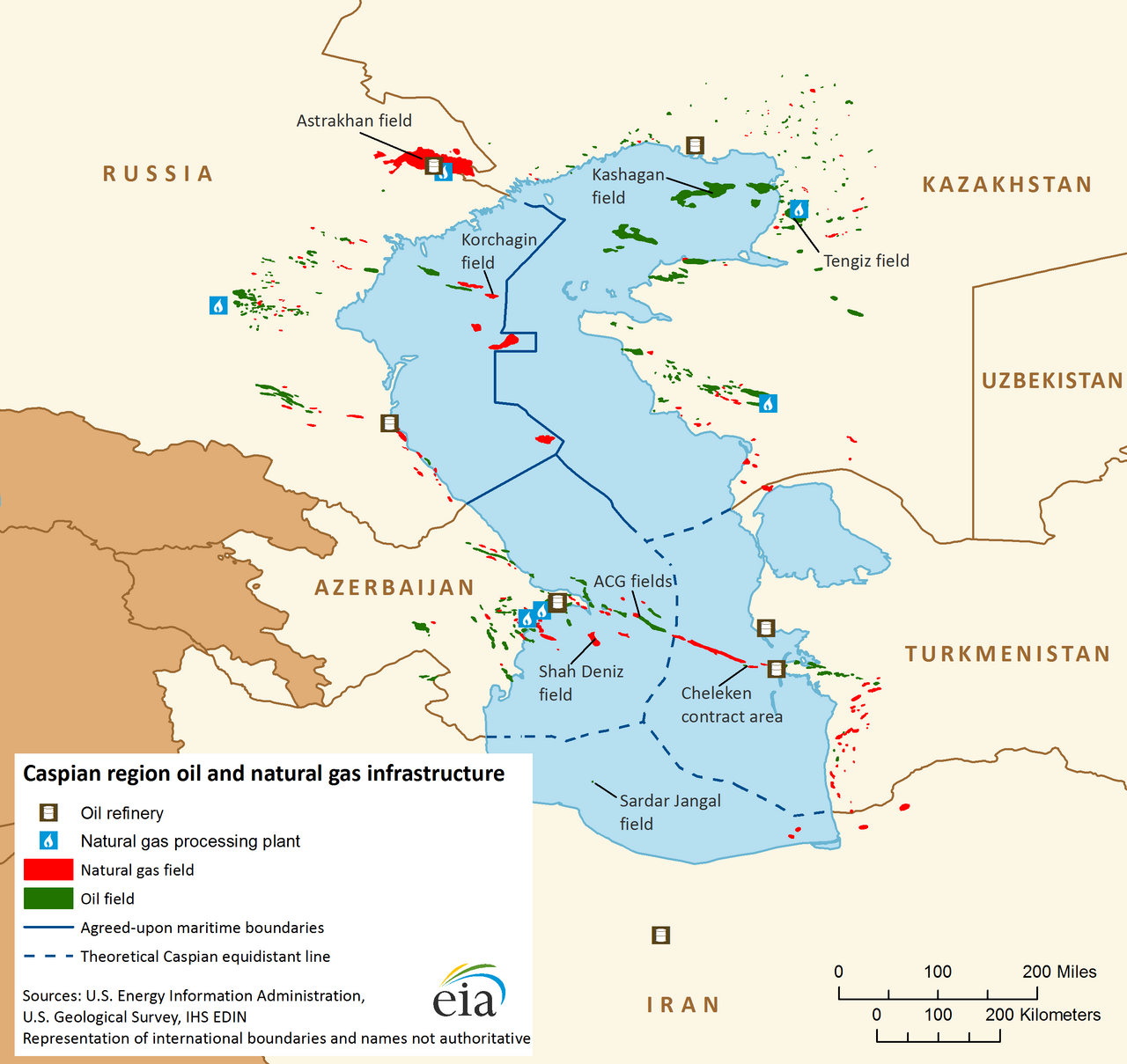 Source: U.S. Energy Information Administration
The Caspian Sea sits at the heart of the Eurasian continent and it is the only body of water in the world where Iran and Russia both share a maritime border. The other three littoral states are Azerbaijan, Kazakhstan, and Turkmenistan. For centuries, it has held military and economic importance. Today, as Europe seeks to diversify its energy supplies and regional countries look to expand trade routes that bypass both Russia and Iran, the Caspian’s importance will only grow.
In recent years, U.S. policy toward the region has often appeared lackluster. That was not always the case. In the aftermath of the September 11, 2001, attacks, American policymakers recognized the geopolitical importance of the Caspian basin. Washington moved to strengthen Azerbaijan’s counterterrorism and maritime security capabilities, particularly in the Caspian Sea.
In 2003, the United States launched the Caspian Guard Initiative, a Department of Defense program designed to enhance Caspian Sea security through improved airspace, maritime, and border-control cooperation. As part of this effort, the United States transferred three former U.S. Coast Guard cutters to Azerbaijan to strengthen its maritime capabilities.
Because the Caspian Sea is the world’s largest landlocked body of water, delivering those vessels required an extraordinary logistical route: through the Black Sea, into the Sea of Azov, up the Volga-Don Canal system, and onward to the Caspian. Given today’s geopolitical realities, such a route would be unimaginable. This geographical fact means that the boats announced by the vice president will have to be small enough to be delivered in pieces that can fit inside a cargo aircraft.
As U.S. interest in Afghanistan and Central Asia waned during the Obama administration, initiatives like the Caspian Guard Initiative gradually faded. Hopefully, that period of neglect is ending.
 Azerbaijan Coast Guard patrol vessel, a U.S. donation to the Azerbaijani presence on the Caspian Sea, Source: State Border Service of Azerbaijan
For the United States to bolster the maritime security and domain awareness capabilities of friendly countries such as Azerbaijan, policymakers must first recognize why the Caspian matters strategically. First, the Caspian region has served as a strategic platform from which Russia has been able to project power since Russia’s full-scale invasion of Ukraine in 2022. Russian corvettes operating from the Caspian have launched long-range cruise missiles into Ukraine from relative sanctuary. With the Turkish Straits closed, the only way that Russia has been able to reinforce its naval presence in the Black Sea is by taking ships from its Caspian flotilla and transporting them through the Volga-Don Canal, giving Russia a little more firepower than it otherwise would have had in the Black Sea. The Caspian has also reportedly served as a transit route facilitating military cooperation between Russia and Iran since the war began. Therefore, in the context of security, the Black Sea and the Caspian are linked.
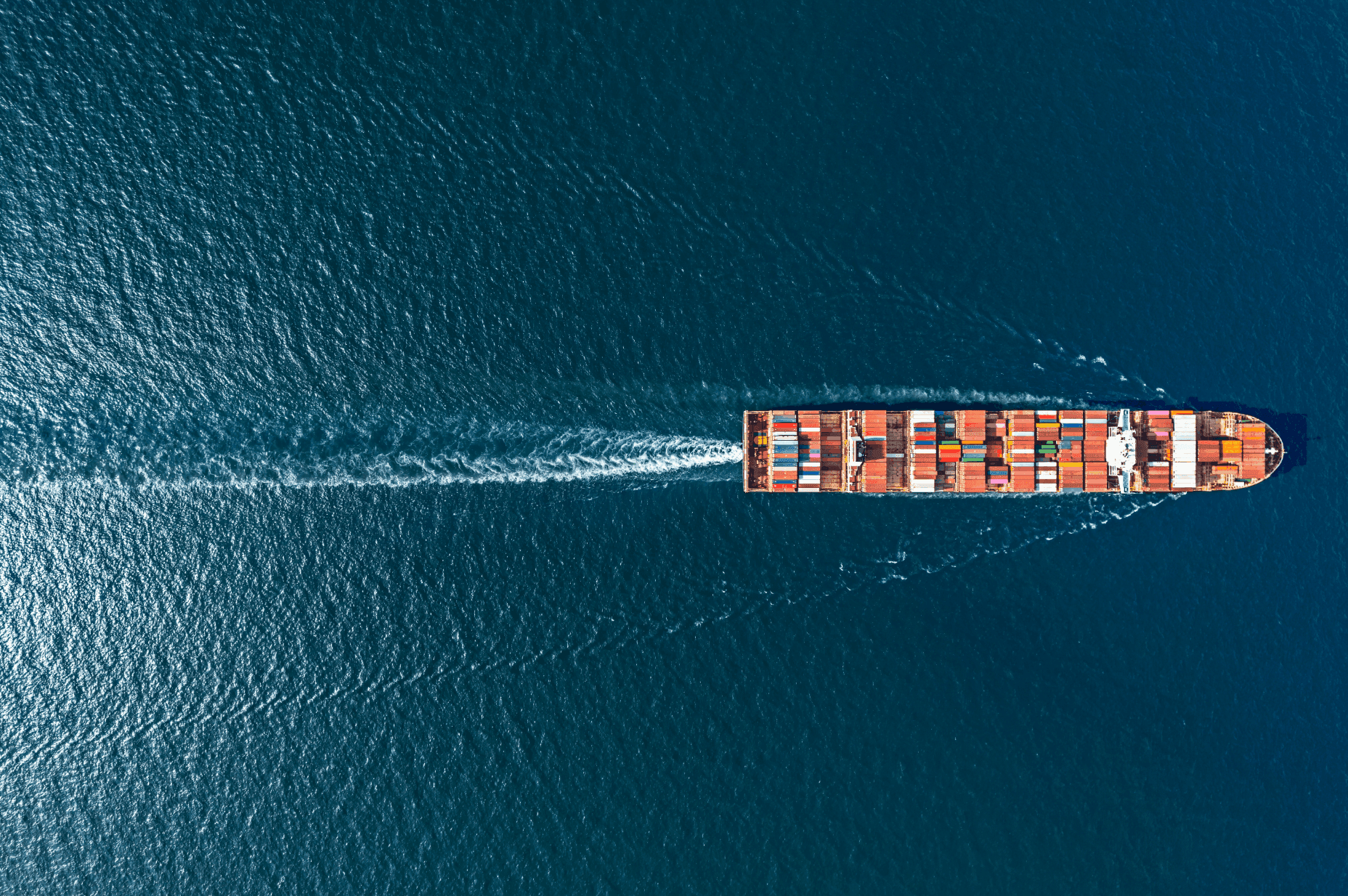
Second, the Caspian lies at the center of the so-called Middle Corridor, the trans-Caspian trade route designed to connect Asia and Europe while bypassing Russia and Iran. A secure Caspian crossing is indispensable to this effort. One of the key elements of President Trump’s peace initiative between Armenia and Azerbaijan is the creation of the Trump Route for International Peace and Prosperity, a new transit link across the South Caucasus that would complement and expand the Middle Corridor. However, without secure and reliable maritime transit across the Caspian the corridor’s full economic potential cannot be realized.
As U.S. policymakers refine their approach to the region, the primary strategic objective in the Caspian should be to help maintain a balance among the five littoral states, preventing either Iran or Russia from achieving overwhelming maritime dominance.
It would be unrealistic to expect any single Caspian country to match Russia’s naval firepower, nor should that be the goal. Instead, the United States should focus on enabling friendly states to deter malign activity, mitigate instability, and strengthen their resilience.
On a tactical level, U.S. priorities should include helping partners secure maritime borders, protect vital offshore energy infrastructure, disrupt illicit trafficking, prevent terrorist infiltration, and ensure the free flow of commerce.
The U.S. Navy will never sail on the Caspian, but that does not mean Washington lacks options. The first place to start would be to reestablish the Caspian Guard Initiative. Beyond providing patrol boats, the United States can expand training programs, facilitate officer exchanges, and support modernization efforts. One of the most significant capability gaps in the region is maritime domain awareness. The United States should prioritize support in this area by providing coastal radar systems, shipborne radar upgrades, and communications equipment that enhances command and control.
Washington should also think creatively about leveraging the United States Coast Guard and the United States Coast Guard Reserve. The security challenges in the Caspian—border enforcement, infrastructure protection, counter-smuggling, and maritime policing—closely resemble missions routinely handled by the Coast Guard. Though often overlooked in strategic debates, the Coast Guard possesses substantial operational expertise and global experience advancing U.S. interests.
Just as the Oklahoma National Guard partners with Azerbaijan’s armed forces through the State Partnership Program, a structured relationship between elements of the United States Coast Guard Reserve and the Azerbaijani Navy could foster joint exercises, professional exchanges, and sustained maritime cooperation.
However, if the U.S. was serious about regional security and deepening relations with Azerbaijan then Section 907 of the 1992 Freedom Support Act should be repealed once and for all. Section 907, which unfairly and uniquely limited U.S. military assistance to Azerbaijan unless waived by the president, was developed at a time when there was a state of war between Armenia and Azerbaijan. Now the two countries are at peace, the rationale for Section 907 does not apply. Keeping 907 on the books undermines America’s interest and options in the region and keeps the U.S.-Azerbaijani relationship tethered to the past.
President Trump’s pragmatic approach to improving relations with regional partners such as Azerbaijan presents a timely opportunity to advance American interests in a strategically vital region. After years of relative neglect, Washington has an opening to reengage in a measured and realistic way.
Strengthening maritime security in the Caspian Sea will not grab headlines. But it will quietly reinforce stability along a critical Eurasian corridor, complicate the designs of Russia and Iran, and support the long-term success of emerging trade routes that benefit Europe and Asia alike.
That is an investment worth making.