Trade Routes Under Fire: Afghan–Pakistani Conflict Reshapes Central Asia’s Security and Economic Outlook
Recent Articles
Author: Lilly Horrigan
02/24/2026
 Burhan Uddin, X
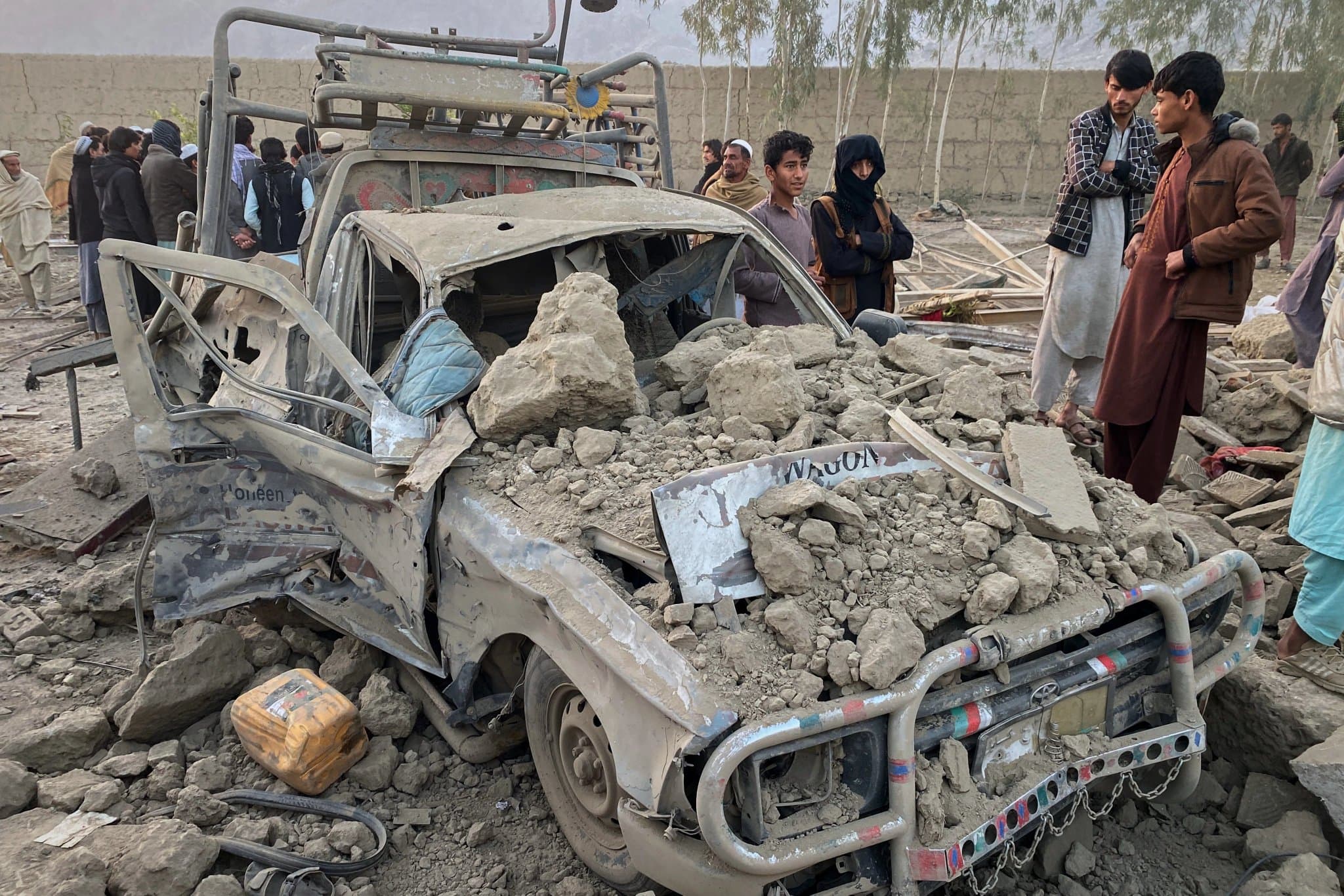
Rising tensions between Afghanistan and Pakistan have resulted in dozens of deaths and heightened concerns of a broader conflict. Although the historical allies reached a temporary peace agreement in Doha on October 19, observers warned it might not last as the underlying causes remained unresolved. Subsequent negotiations have failed to produce a lasting settlement: peace talks in Istanbul on October 28 collapsed, and discussions in Saudi Arabia on December 3 also failed to yield a permanent resolution as violence across the border continued.
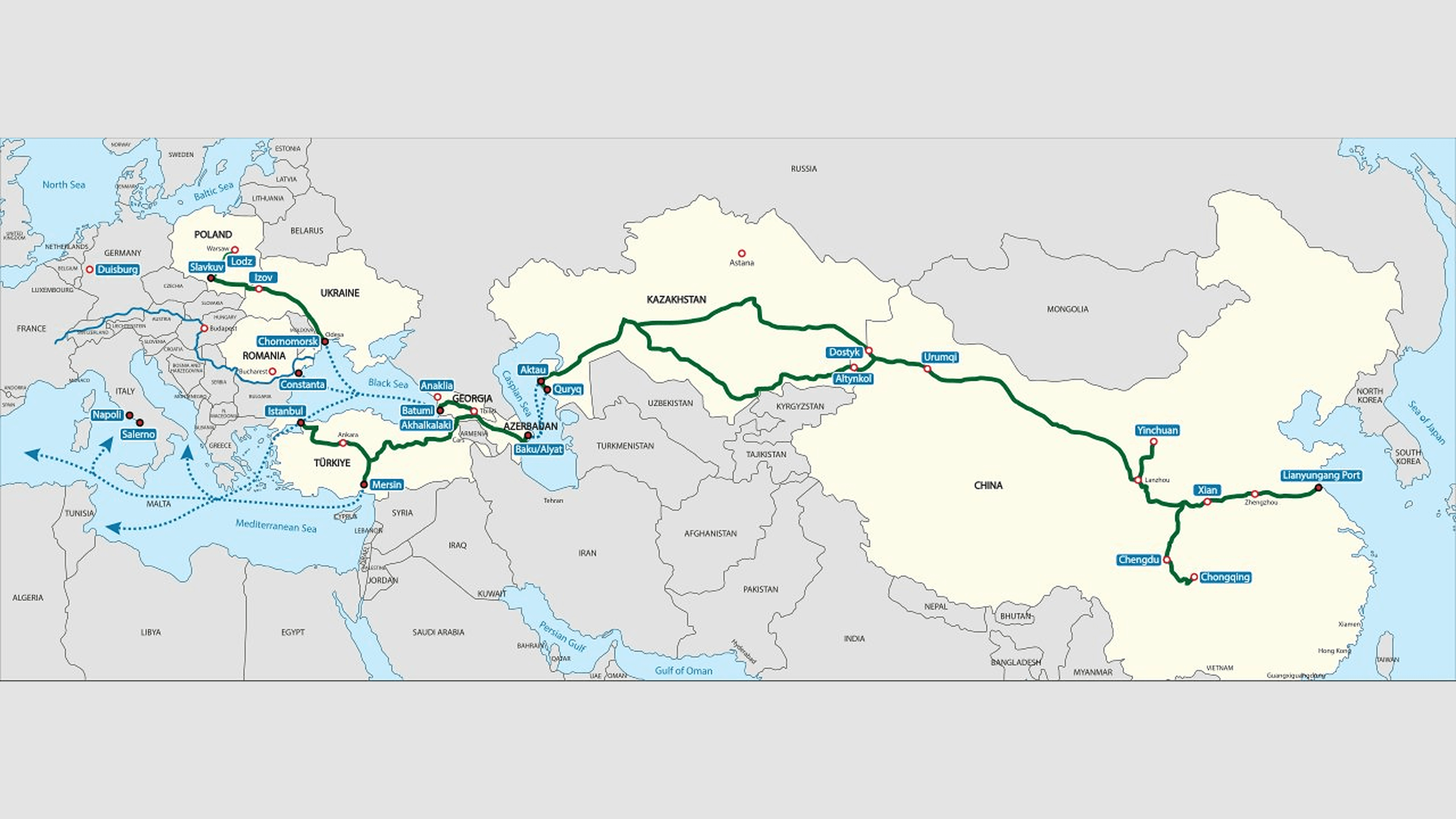
As Central Asia navigates its complex relationships with Afghanistan, Pakistan, and India, the escalating conflict signals shifting regional dynamics and poses a growing security threat on Central Asia’s doorstep. Instability in the region directly shapes the five Central Asian states’ economic plans, connectivity ambitions, and security outlook. Perhaps most importantly, any conflict between Kabul and Islamabad jeopardizes key trade routes that underpin Central Asia’s ambitions to expand the Middle Corridor southward in order to tap into South Asian markets. In this sense, violence in the region not only poses a security concern but threatens to undermine Central Asia’s long-term economic strategy.
Renewed Cross-Border Violence
The current conflict began in early October when Islamist militants from the Pakistani Taliban, or Tehrik-i-Taliban Pakistan (TTP), ambushed a Pakistani military convoy near the Afghan border, killing 11 soldiers. Formed in 2007, the TTP seeks to overthrow the Pakistani government and establish an Islamic caliphate. Pakistan has recently accused Afghanistan's Taliban-led government of supporting the TTP. Although Kabul denies the accusation, an investigation from the United Nations has shown the TTP likely receives funding and military training from the Taliban, and TTP attacks have surged since the Taliban’s return to power in 2021.
In the weeks following the TTP attack, Pakistan did not hesitate to retaliate. Afghan officials claim Islamabad carried out two explosions in Kabul in an attempt to assassinate TTP leader Noor Wali Mehsud. In response, the Taliban government conducted cross-border raids, allegedly killing 23 Pakistani soldiers, and Pakistan continued airstrikes even after a 48-hour ceasefire agreement was reached.
Under a temporary ceasefire agreement mediated by Turkey, Afghanistan pledged not to support the TTP. However, in the wake of a TTP attack on January 12, that killed seven Pakistani police officers, it is clear that Kabul lacks the capacity and political will to prevent attacks. Severing ties with the TTP risks fracturing the already fragile Taliban government and may drive TTP members toward adversarial terrorist groups like the Islamic State of Khorasan Province (ISKP). As TTP threats persist, Pakistani officials have warned that any ceasefire agreement between the two governments will not hold if TTP is not effectively restrained.
Pakistan historically supported the Taliban's rise in Afghanistan, but TTP’s ties to the Taliban have since strained the relationship. Pakistan blames the Taliban for the renewed violence, and relations have only grown more contentious with the accusation that Afghanistan receives support from India, Pakistan’s long-time rival.
India initially hesitated to engage with the highly controversial Taliban government. Recently, however, Afghan Foreign Minister Amit Khan Muttaqi visited India and held talks on strengthening security cooperation between the two countries. For Afghanistan, closer ties to India could boost international legitimacy and create a new source of economic assistance to Afghanistan’s war-torn economy. For Pakistan, in contrast, it raises fears of a potential proxy conflict between India and Pakistan on Afghan soil.
Central Asia’s Stake
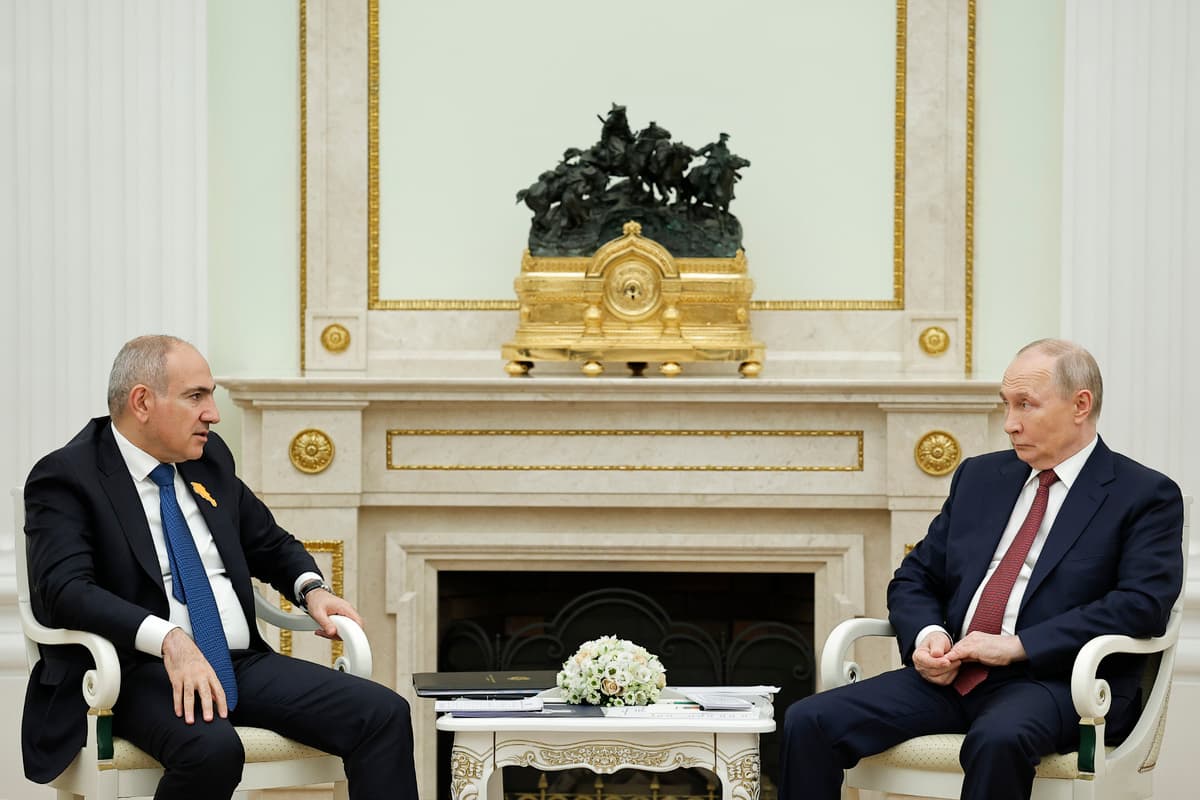
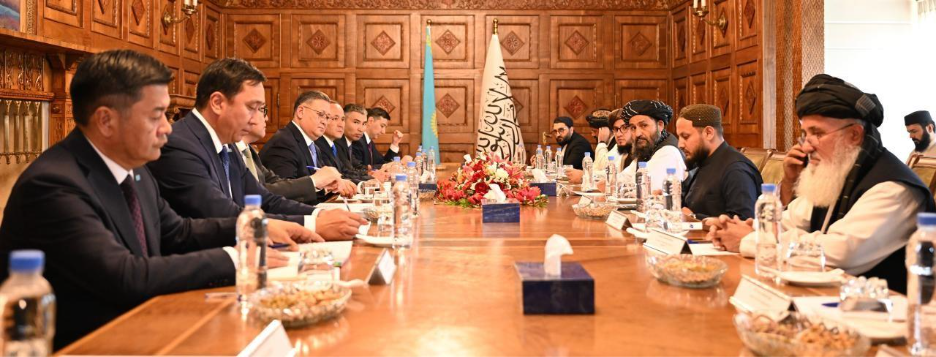 On July 10, 2025, in Kabul, Kazakhstan’s former Deputy Prime Minister Murat Nurtleu met with Afghanistan’s Deputy Prime Minister for Economic Affairs, Abdul Ghani Baradar, to discuss potential areas of economic cooperation. Source: Ministry of Foreign Affairs of the Republic of Kazakhstan
As tensions rise, Central Asia has remained largely neutral, but a brewing conflict on its doorstep is bound to have regional repercussions. Failed negotiations and persistent violence threaten to disrupt trade routes, tighten borders, and complicate Central Asia’s efforts to leverage ties with the Taliban government.
With the exception of Tajikistan, most Central Asian countries have cautiously developed limited but pragmatic relationships with Afghanistan since 2021. While withholding formal recognition due to human rights concerns, all five maintain embassies in Kabul to facilitate trade and humanitarian assistance. Russia’s formal recognition of the Taliban government in July may pressure Central Asian states to follow suit. In the meantime, they continue to advocate for international aid to alleviate Afghanistan’s severe economic and humanitarian crisis.
Central Asian leaders advocate for international aid to the country, knowing that a stable Afghanistan is in Central Asia’s best interests. For instance, the region depends on cooperation with Kabul on water management and overland trade routes to access South Asian markets— a central objective of the de facto Middle Corridor strategy. Uzbekistan and Kazakhstan have recently taken steps to plan routes connecting to South Asia, engaging with both Afghanistan and Pakistan in a delicate balance of interests. The extent to which the benefits of enhanced connectivity can offset existing tensions remains unclear. These landlocked routes also necessitate a large investment in rail infrastructure that no party appears prepared to finance. Progress on trade integration has thus been slow.
Although economic cooperation remains an open question, security considerations have long dictated, and continue to shape Central Asia’s approach to Afghanistan. Recent history has demonstrated that religious and political extremism can spill over from Afghanistan, threatening Central Asian security. Many Central Asian labor migrants remain vulnerable to recruitment from extremist groups in Afghanistan like ISKP. As a result, despite tensions between the two countries, Tajikistan has cooperated with Taliban authorities on counterterrorism efforts against ISKP, which recruits in the Tajik language and has explicitly called for the overthrow of the Tajik and Taliban governments.
Renewed violence may also lead to the remilitarization of Afghanistan, increasing tensions along the volatile Tajik-Afghan border, where sporadic clashes continue despite diplomatic efforts. The recent killing of three Chinese nationals near the Tajik-Afghan border drew international attention, prompting China to urge its citizens to evacuate the border region. While responsibility for the attack remains unclear, reports indicate drones equipped with grenades were launched from Afghan territory. Afghan officials attributed the attacks to an unnamed group seeking to undermine the Taliban’s relationship with China, a key economic partner. Pakistan has since leveraged the incident to amplify its messaging on the “threat emanating from Afghanistan and the brazenness of those behind it.”
This incident, along with a border clash involving drug traffickers, has since prompted involvement from the Collective Security Treaty Organization (CSTO). The Russian-led security alliance will supply Tajik forces with advanced weaponry. The move signals Dushanbe’s growing concerns over border security and underscores Russia’s intent to position itself as a guarantor of regional security.
While current tensions pose a serious risk to regional security and economic stability, Afghanistan is in no position to sustain a war with Pakistan, a nuclear power with the world’s sixth-largest army. Afghanistan is therefore unlikely to initiate a conflict, but as discussed above, it is unlikely to prevent TTP attacks or meet Pakistan’s demands for peace. Further escalation would devastate Afghanistan’s fragile economy and population, undermining its potential as a regional partner and weakening its capacity to preserve domestic stability and cooperate on counterterrorism against ISKP.
A Balancing Act: India and Pakistan
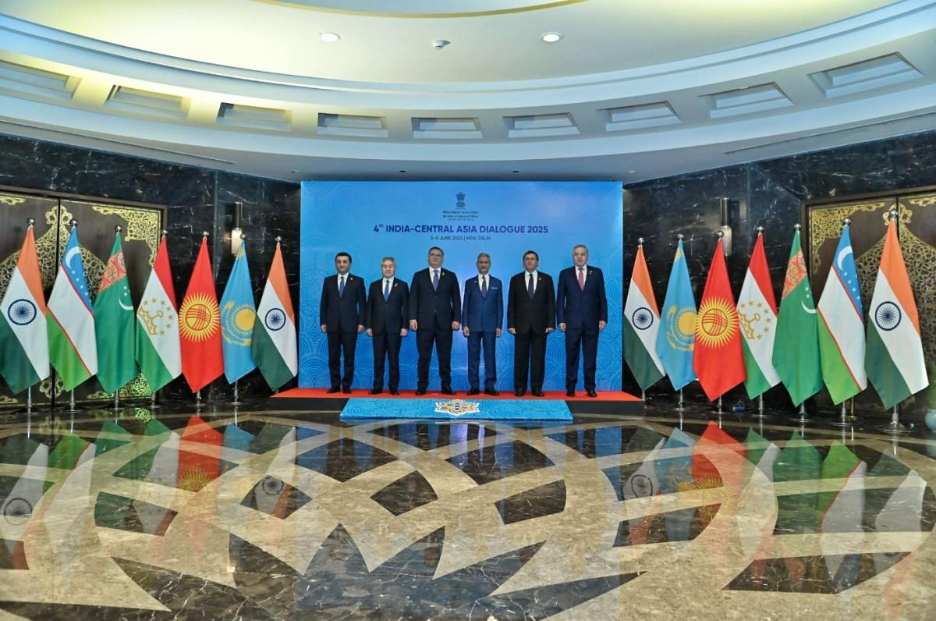
Foreign ministers from Central Asia and India met in New Delhi on June 6, 2025, for the fourth Central Asia–India Dialogue. Source: Ministry of Foreign Affairs of the Republic of Tajikistan
Persistent violence along the Afghan-Pakistani border complicates Central Asia’s balancing act between two historic rivals: India and Pakistan. Both are key partners in developing the Middle Corridor and expanding trade into South Asia, but their growing rivalry risks entangling Central Asia in broader geopolitical power struggles.
India has expressed particular interest in deepening its relationship with Central Asia. In June, the fourth Central Asia-India Dialogue strengthened trade and investment cooperation, stressing the importance of security cooperation, especially towards the mutual goal of stabilizing Afghanistan. On October 16, national security advisors from Central Asia and India met in Bishkek to “firm up a plan to work closely with the Taliban in addressing security challenges.” While Central Asia stands to benefit from this security cooperation, alignment with India and, by extension, the Taliban, could strain relations with Pakistan and exacerbate regional tensions.
Pakistan remains a critical partner as proposed trade routes to South Asia rely on safe passage through the country, making it critical to balance these relationships. Kazakhstan’s President Tokayev and Uzbekistan’s President Mirziyoyev recently visited Pakistan, marking the first visit of a Kazakh president to Pakistan in 23 years. The engagements elevated both countries’ bilateral partnerships with Pakistan, signaling Central Asia’s commitment to regional cooperation despite ongoing tensions.
To prevent escalation, Central Asia must continue to carefully utilize its multi-vectoral foreign policy to balance these relationships, focusing on shared goals like enhanced connectivity. Yet neutrality alone will not guarantee stability, as the underlying causes of the Afghan-Pakistan conflict are multifaceted and difficult to control. The success or failure of future peace efforts will not only determine the conflict’s trajectory but also define Central Asia’s ability to engage all parties and advance its vision for regional connectivity through an expanded Middle Corridor to South Asia.