BP, SOCAR to Begin Exploratory Drilling in Shafag-Asiman Gas Field in Caspian
Recent Articles
Author: None None
01/16/2019
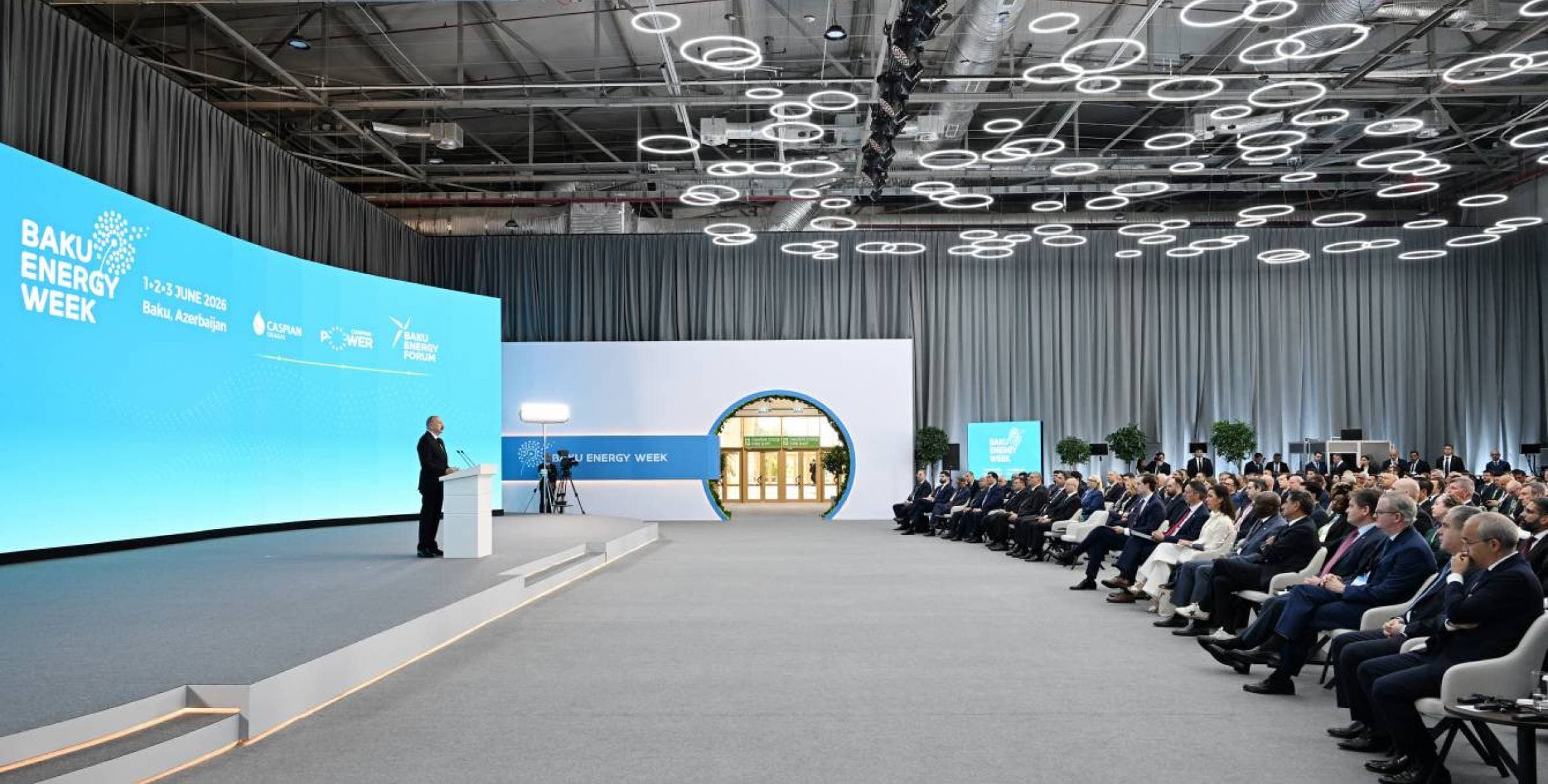
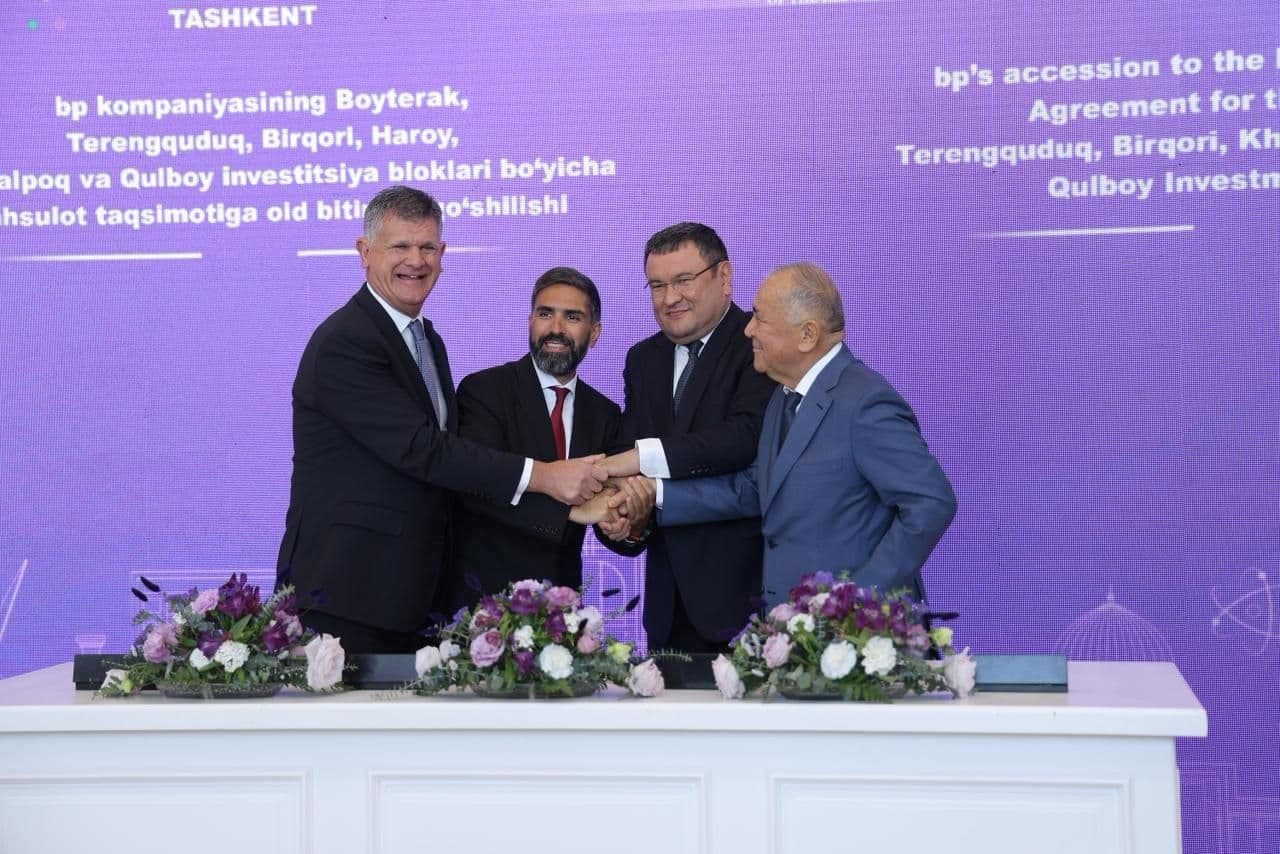
BP recently released its decision to allocate $28 billion of financing for exploratory drilling in Azerbaijan. This announcement comes on the heels of comments by BP representatives in May 2018 — signaling the oil major’s readiness to begin drilling in 2019. Gary Jones, BP Regional President for Azerbaijan, Georgia, and Turkey, spoke at the 25th International Caspian Oil and Gas Exhibition and Conference in Baku on May 30, expressing plans to begin drilling in the Shafag-Asiman field and the Shallow Water Absheron Peninsula (SWAP). In a more recent update, Jones explained that BP plans to drill 6 exploratory wells in Azerbaijan by 2020. Bakhtiyar Aslanbayli, BP vice president for Communications, External Affairs and Strategy in Azerbaijan, Georgia and Turkey, had previously stated that BP will drill two exploratory wells in the SWAP area, suggesting that the four remaining wells will be dedicated to development of the Shafag-Asiman block. Both BP and SOCAR have high hopes for the Shafag-Asiman field. Jones has suggested that Shafag-Asiman may contain reserves equal to Shah Deniz, a mammoth field in the Caspian with an estimated 1.2 trillion cubic meters of gas and 240 million tons of condensate. Jones’s characterization is perhaps optimistic, given that preliminary estimates place Shafag-Asiman reserves at 500 billion cubic meters of gas and 65 million tons of condensate. Nonetheless, Shafag-Asiman clearly holds promise for a significant find. This sentiment is echoed by SOCAR First Vice President Khoshbakht Yusifzade, who told the press that the Azeri state oil firm also anticipates finding large reserves in the offshore structure. While development of Shafag-Asiman is certainly proceeding, the field remains a long way from entering commercial exploitation. In 2017, SOCAR Vice President for Geology and Geophysics Bahram Huseynov speculated that commercial extraction was more than a decade away, stating, “we believe the first production there can begin in 2030.” Jones also stresses BP’s long-term commitment to Caspian energy, stating “we’ve got quite an ambitious exploration program developing in the Caspian looking at some other very significant gas options,” adding that there is potential to utilize “this source of supply of gas well into the middle of the century.” The output from Shafag-Asimen will primarily be dedicated to satisfying the demand for energy in Southern Europe which is haevily dependent on Russia. In a press conference in February of 2018, Jones stated that gas from Shafag-Asiman “will be exported to the world markets through the Southern Gas Corridor (SGC),” signaling BP’s long-term commitment to the pipeline project.” Following the news about Shafag-Asiman, it is interesting to note that the project has experienced significant delays in the past. An article appearing on Trend News Agency on September 8, 2011, cited BP-Azerbaijan Geological Exploration Group Head Arzu Javadova, who suggested that exploratory drilling would begin in late 2016. BP’s silence on the issue makes explaining the delay a purely speculative exercise; however, it seems likely that progress on the SGC has spurred development of Shafag-Asiman. In September of 2011, the Trans-Anatolian Pipeline (TANAP) had not yet been announced, so at the time there were no concrete prospects for exporting Shafag-Asiman gas to Europe. Shah Deniz had enough capacity to supply regional markets and adding additional capacity from Shafag-Asiman would have created a supply glut, undermining prospects for a positive return on investment. The situation looks quite different in 2019. TANAP has been completed and the Trans-Adriatic Pipeline finished securing financing last month. Given the near certainty of the SGC’s completion in the coming years, the need arose for BP and SOCAR to begin investing in gas exploration to guarantee supply to Europe in the coming decades. The project has been in limbo for several years — awaiting a change in the investment context. This change was brought about by the materialization of the SGC, so drilling in Shafag-Asiman should be seen as a symbol of BP’s and its partners’ commitment to SGC for decades to come. Photo: BP