Strategies For Inclusive Economic Growth: Women’s Entrepreneurship In Tajikistan
Recent Articles
Author: Caspian Policy Center
08/10/2021
Executive Summary
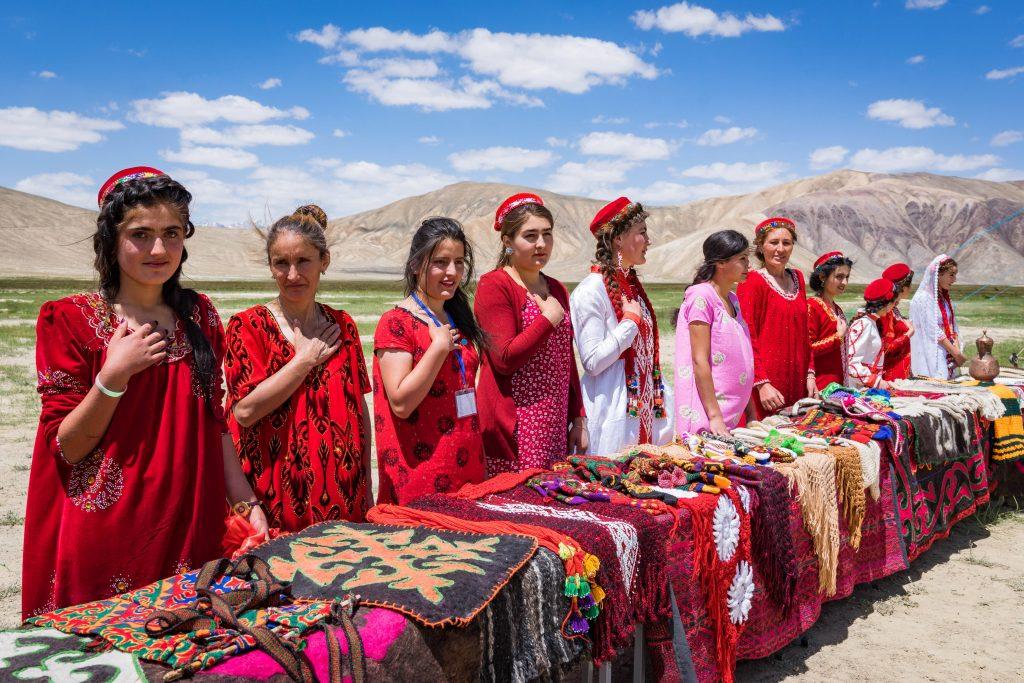
Caspian Policy Center’s brief “Strategies for Inclusive Economic Growth: Women’s Entrepreneurship in Tajikistan,” explores the vital nexus between economic development and women’s empowerment. Women’s entrepreneurship is a rising priority for the Government of Tajikistan. Owning a business is a pathway for women’s economic development and gender equality, which are goals of the United Nations’ 2030 Agenda for Sustainable Development.
The Government of Tajikistan has taken a number of steps to build a supportive environment for women to start and grow businesses. Recent successes in women’s economic inclusion include the creation of a taskforce on women’s entrepreneurship within the state investment agency; a presidential grant scheme for women-owned businesses; the establishment of an annual, regional forum for women entrepreneurs; and multiple property and tax reforms. From 2015 to 2020, the number of female-owned businesses grew by about 30,000 and the amount of government loans given to women increased by 63.3 percent.
Despite progress, obstacles to women’s entrepreneurship remain. Formal financial institutions are still twice as likely to issue loans to men. Underdeveloped social and telecommunication infrastructure in rural areas restrict women’s time and access to resources. Lack of business knowledge and capital alongside societal norms regarding traditional family roles are frequently cited as the biggest impediments to women-owned businesses in Tajikistan.
Global responses to COVID-19 have increased external and internal stresses on Tajik women entrepreneurs. The decrease in remittances as male migrants return from Russia has increased pressure on women to provide sources of income while simultaneously burdening them with a greater unpaid workload at home. The trade and service sectors, the two main industries for women entrepreneurs, have been amongst the hardest hit by stay-at-home orders, while support groups for women business owners, such as networking forums and trainings, were canceled.
Read the full brief to see what approaches governments, civil society groups, and the private sector can take to support the inclusion of women entrepreneurs as the world builds back from COVID-19 induced economic setbacks.