The EU is Invested in the Middle Corridor
Recent Articles
Author: Julia Mohr
07/07/2026
 enlargement.ec.europa.eu
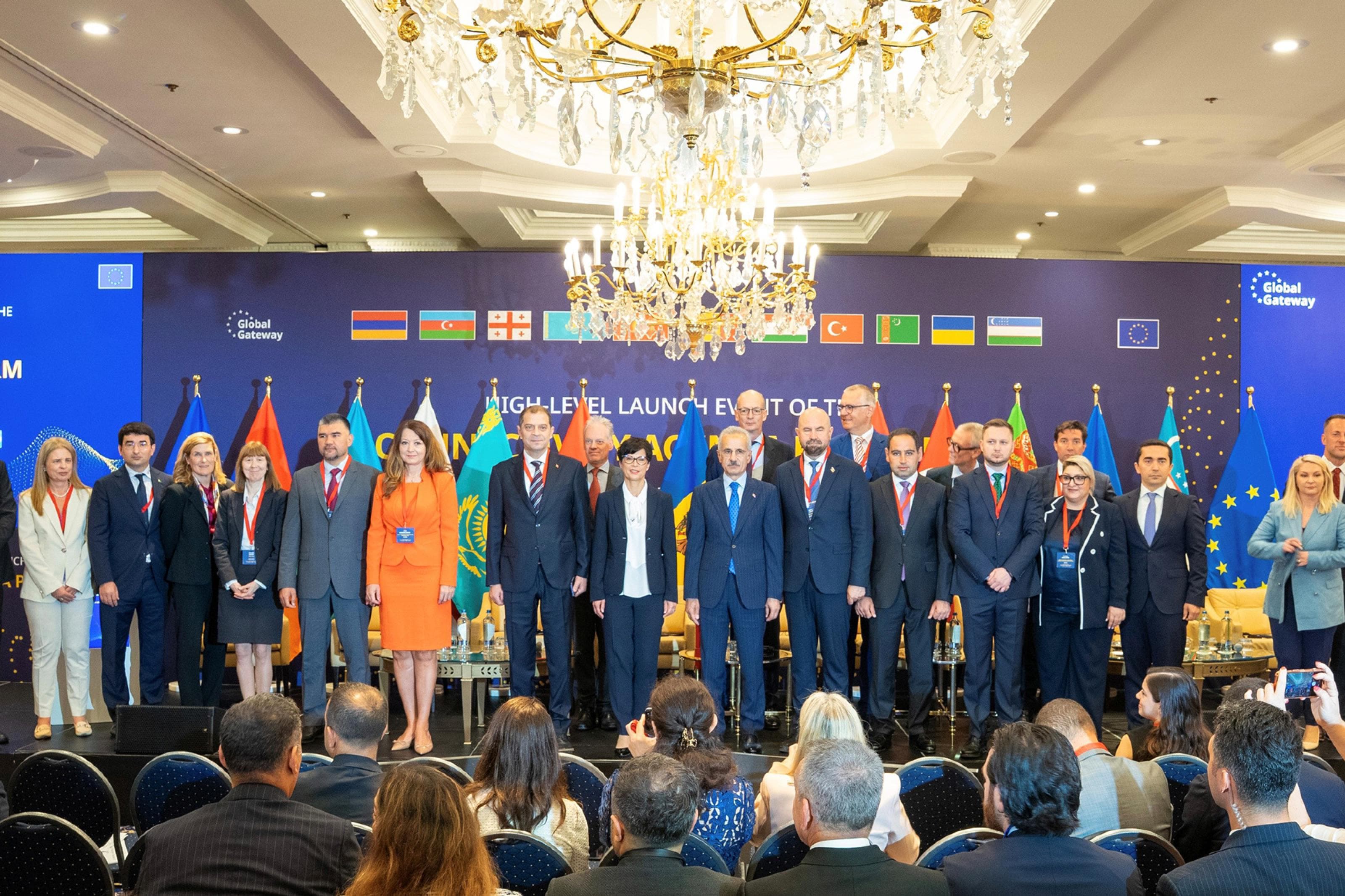
The increasing importance of the Middle Corridor was once again affirmed during the European Union’s June 2026 summit with the announcement of the EU Connectivity Agenda Platform, which will support connectivity and serve as a conduit for investment and cooperation between the EU and the Caspian region via what the EU terms the Trans-Caspian Transport Corridor (TCTC). The Connectivity Agenda Platform, part of the EU’s Global Gateway Initiative, was launched in Brussels alongside discussions between government representatives from the Caspian region, Moldova, Ukraine, and the United States, from international organizations like the EU and the World Bank, and from the private sector. The Platform will direct €2 billion in European investment towards infrastructure development along the TCTC and will facilitate future coordination between each region’s public and private sectors.
As conflicts destabilize existing routes, the EU’s Commissioner for Enlargement, Marta Kos, expressed the “need [for] reliable trade routes, and the Trans-Caspian Transport Corridor has emerged as exactly that. Trade along the route could increase fivefold over the next 15 years… The Platform will connect them, fill the remaining infrastructure gaps, and link the route from end to end.”
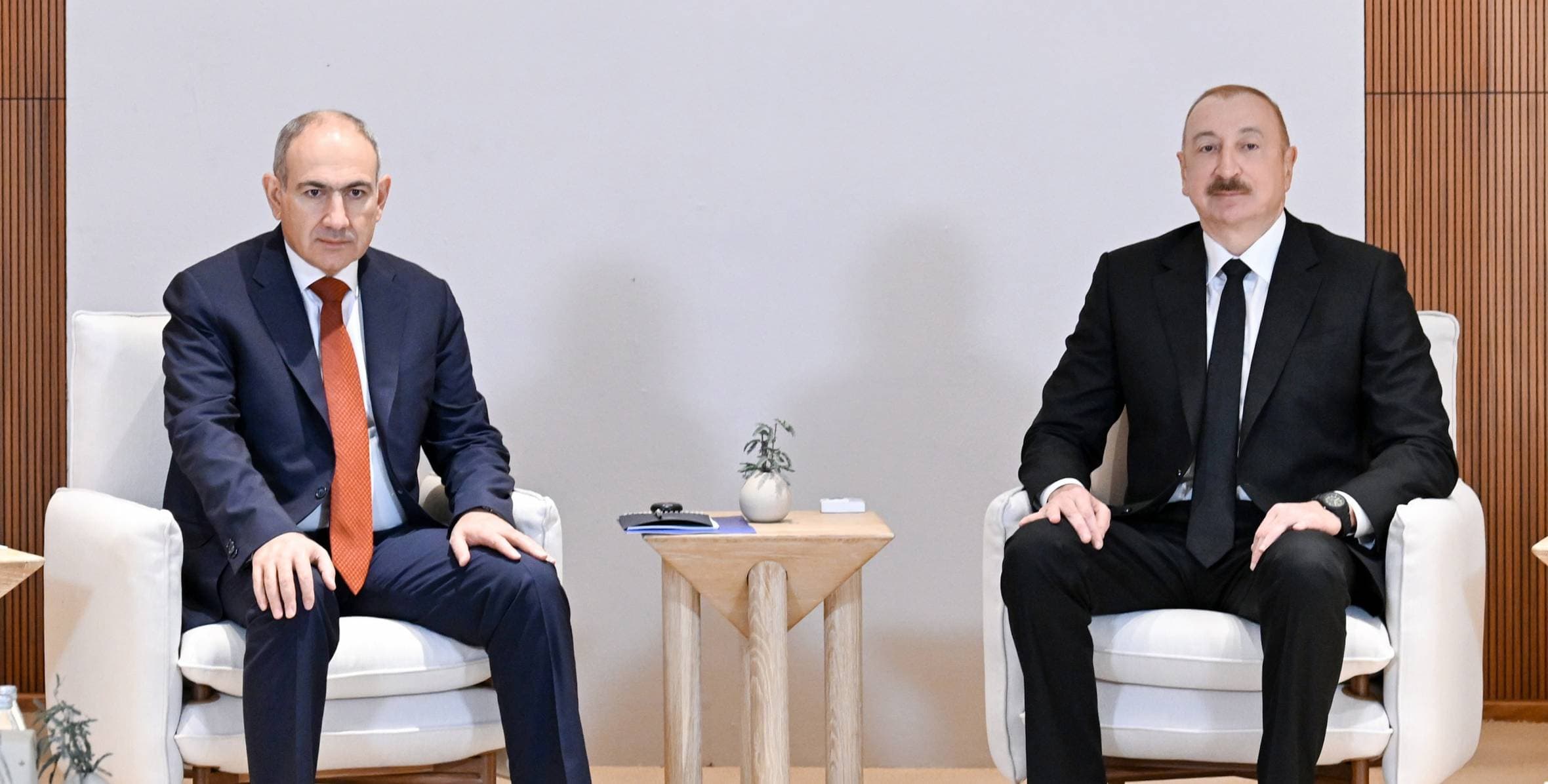
On July 1, President of the European Commission Ursula von der Leyen, along with Commissioner Kos, also pledged €200 million earmarked for physical and digital infrastructure development during a meeting with Azerbaijan’s President Ilham Aliyev in Baku. The grant, also part of the EU’s Global Gateway initiative, will promote Azerbaijan’s participation in the Connectivity Agenda through the EU-Azerbaijan Connectivity Partnership. The Partnership will provide investment for the development of roads and ports along the Corridor with the aim of optimizing the nexus of the Caspian and European trade corridors.
As such, the European Commission also announced its intentions to finance the expansion and modernization of the Trans-European Transport Network (TEN-T). Part of the €1.1 billion, provided by the EU’s Connecting Europe Facility (CEF), will be allocated towards the structural integration of Moldova and Ukraine into the TEN-T, strengthening connectivity between Europe and Eurasia. While Moldova and Ukraine, as well as Georgia, joined the TEN-T in 2023, full integration has been hindered, in part, by remaining Soviet infrastructure: wider Soviet railway gauges cannot support European trains. While new projects will be built to meet TEN-T specifications, the primary focus of the CEF investment will be modernization of existing infrastructure.
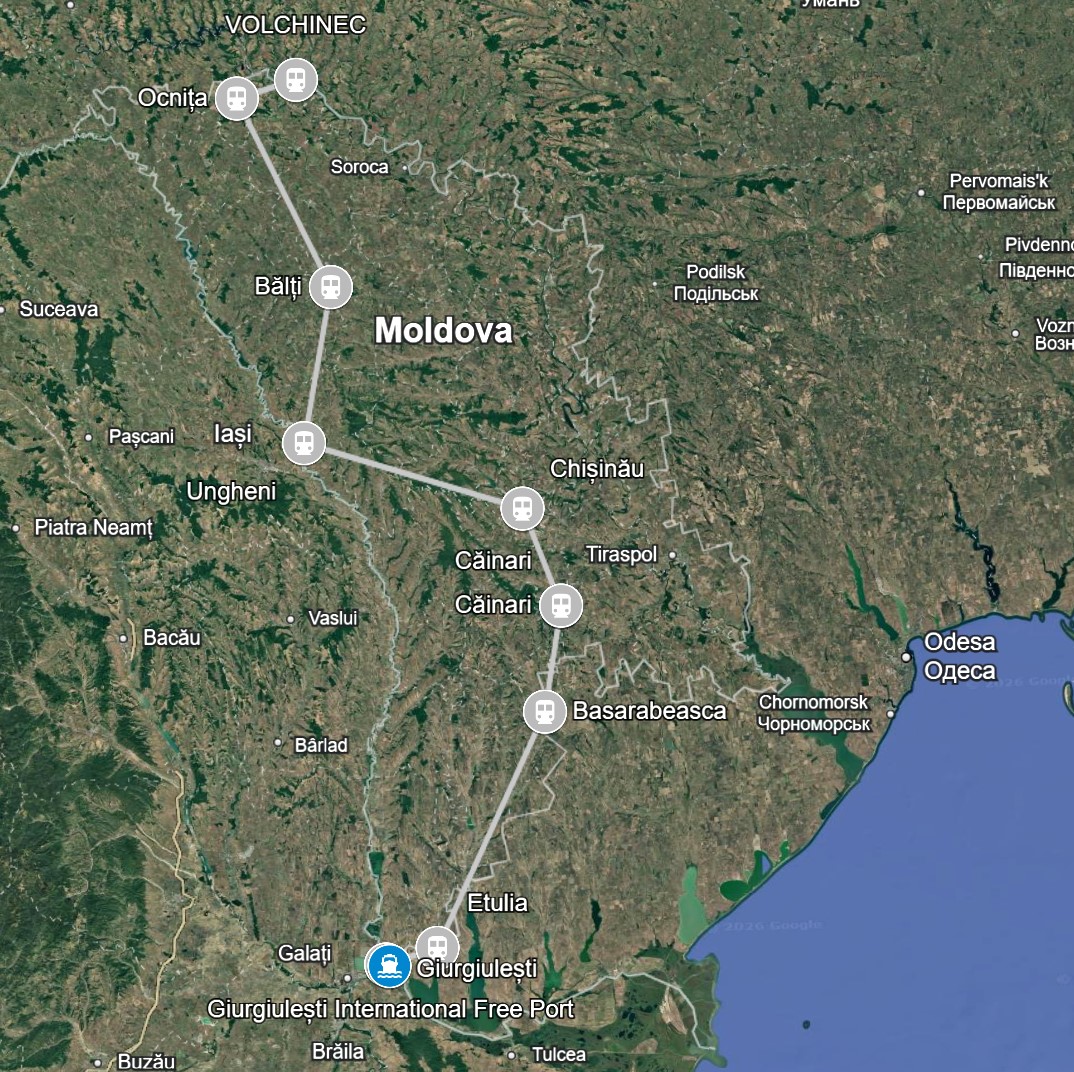
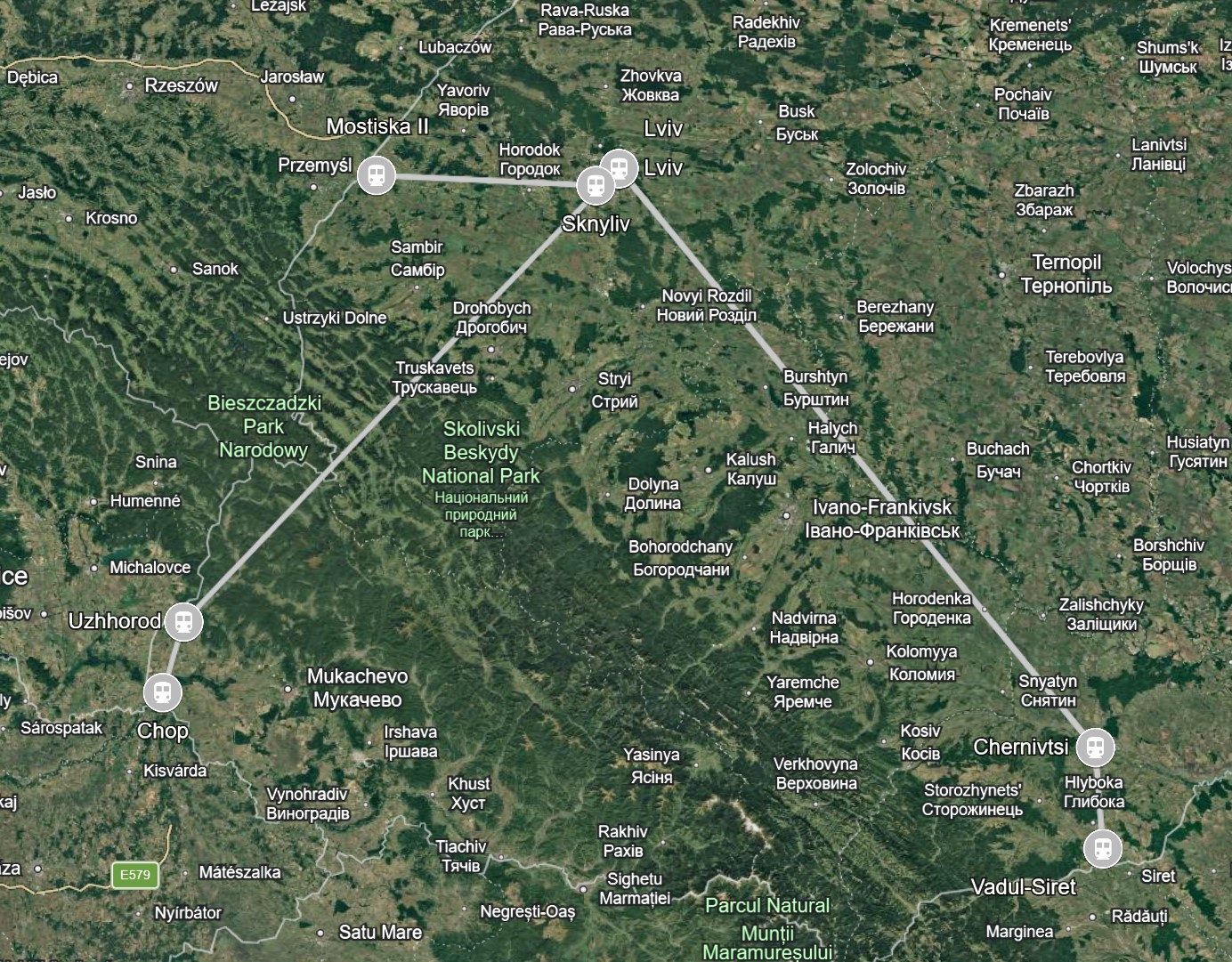 Maps of Rail, Road and Port Projects Receiving CEF Funding in Moldova and Ukraine 2025
The physical integration of Moldova and Ukraine into the TEN-T is both economically pragmatic and strategic. As Russia persists in its war of aggression against Ukraine and seeks to undermine democracy in Moldova, EU investment and initiatives importantly preserve both the local economy and a European presence. Pragmatically speaking, both Moldova and Ukraine are well situated to receive cargo from the Middle Corridor and transfer it to the TEN-T. That the EU is investing particularly in infrastructure located between the Middle Corridor and the TEN-T –Azerbaijan, Ukraine and Moldova – demonstrates its long-term commitment to fostering interregional connectivity.