Wiring Peace: How the Armenia–Azerbaijan Internet Deal Advances a Digital Silk Road
Recent Articles
Author: Lilly Horrigan
06/26/2026
In a notable demonstration of cooperation in the South Caucasus, Telecom Armenia and AzerTelecom signed a bilateral agreement enabling reciprocal commercial internet transit between the two countries for the first time in the commercial internet era. As both companies move to diversify their connectivity routes, the deal marks not just a milestone in Armenia-Azerbaijan normalization but also a concrete step toward creating an East-West digital corridor. The deal comes at the precise moment the region is investing in its own AI ambitions and concrete digital connections like the Kazakhstan-Azerbaijan fiber-optic cable.
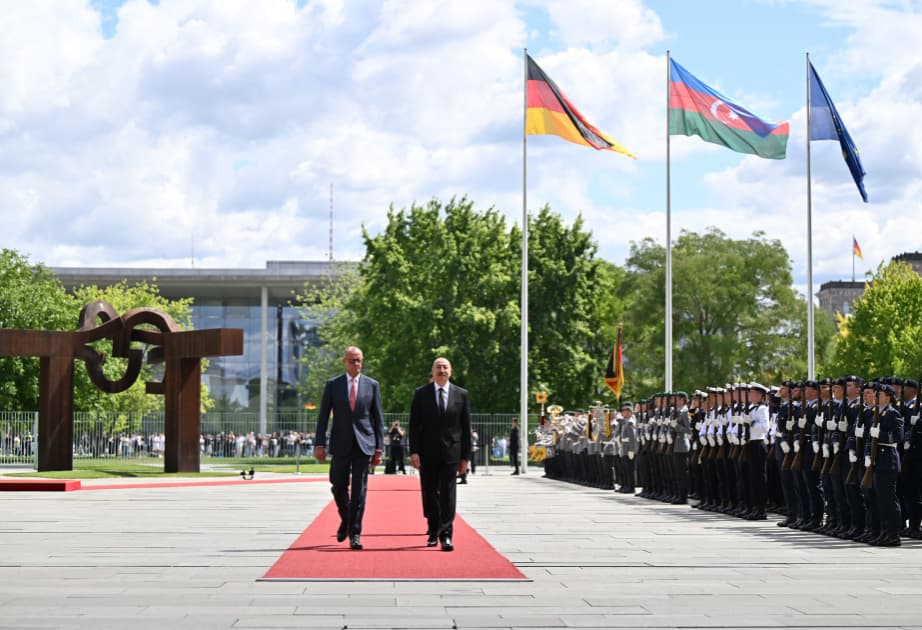
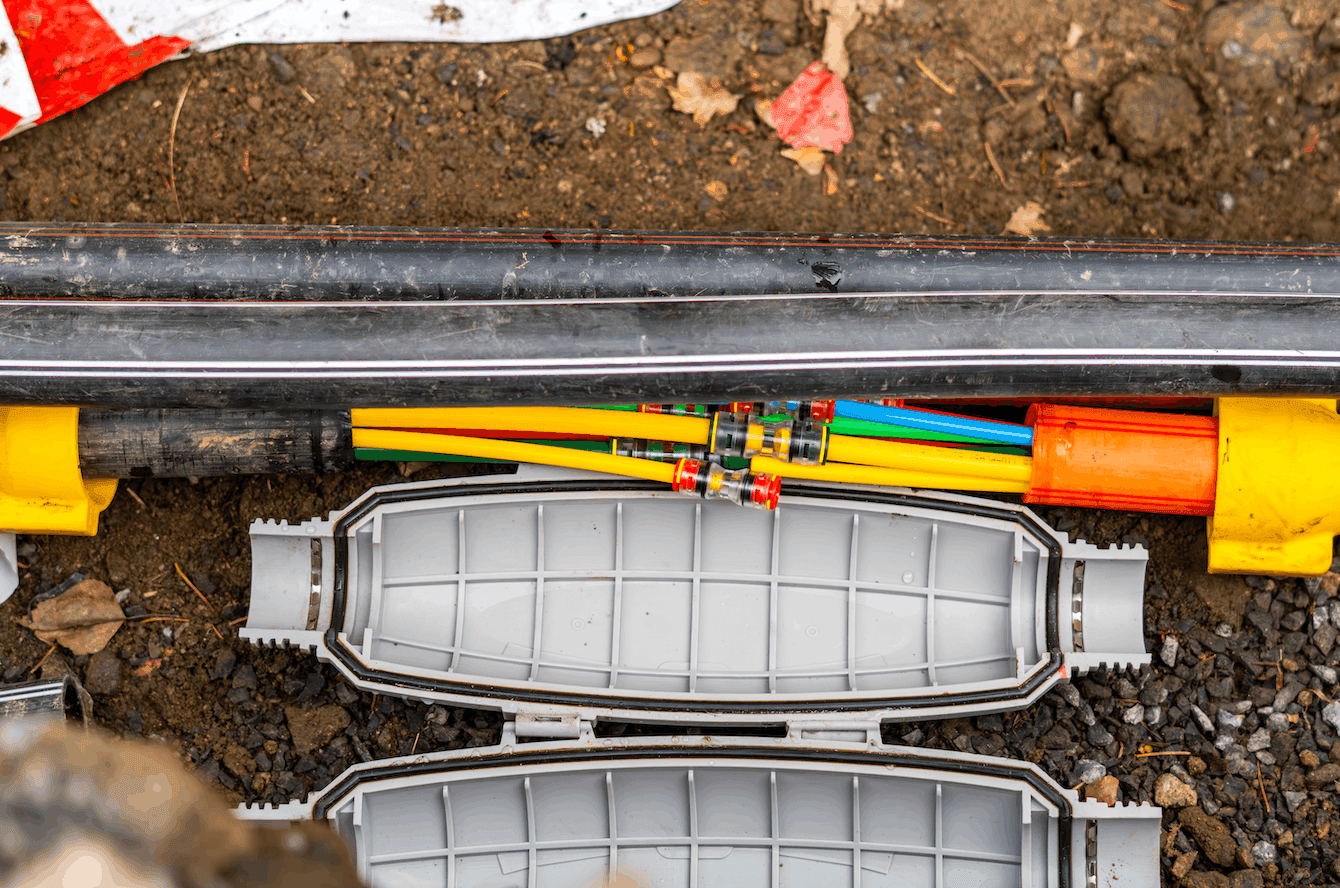
Crucially, the new connection runs over existing infrastructure on both sides. Because the agreement requires no additional infrastructure or investment, connectivity can be achieved essentially by the flip of a switch. The routing will convert diplomacy into a concrete commercial transaction without waiting on years of construction. This makes it arguably the most tangible product yet after almost a year of peace talks. It also strengthens the historic peace agreement between the two countries, brokered in part by United States President Donald Trump, by turning peace into economic platforms.
The deal symbolizes not just an olive branch, but also a milestone in the region’s digital connectivity. For Armenia, it opens an alternative to internet routes that currently depend on Georgia, Iran, and Russia. This adds resilience and, critically, bypasses Russian territory as the region seeks to evade Russia's grip. While the recent deal might not result in all internet traffic routing via Azerbaijan, it certainly affords Armenia the new benefit of optionality.
Through the connection to Azerbaijan, Armenia also taps into a far larger system, including Azerbaijan's Digital Silk Way initiative. This project seeks to build a telecommunications corridor connecting East and West alongside AI and data-center development. It focuses on a fiber-optic cable running across the floor of the Caspian Sea to Kazakhstan, which is slated for completion by the end of 2026, after the original 2021 target date slipped. Described as the backbone of the Digital Silk Way, it is designed to be the first major route of its kind to sidestep both Russian and Chinese networks and to position Azerbaijan at the center of East-West data flows.
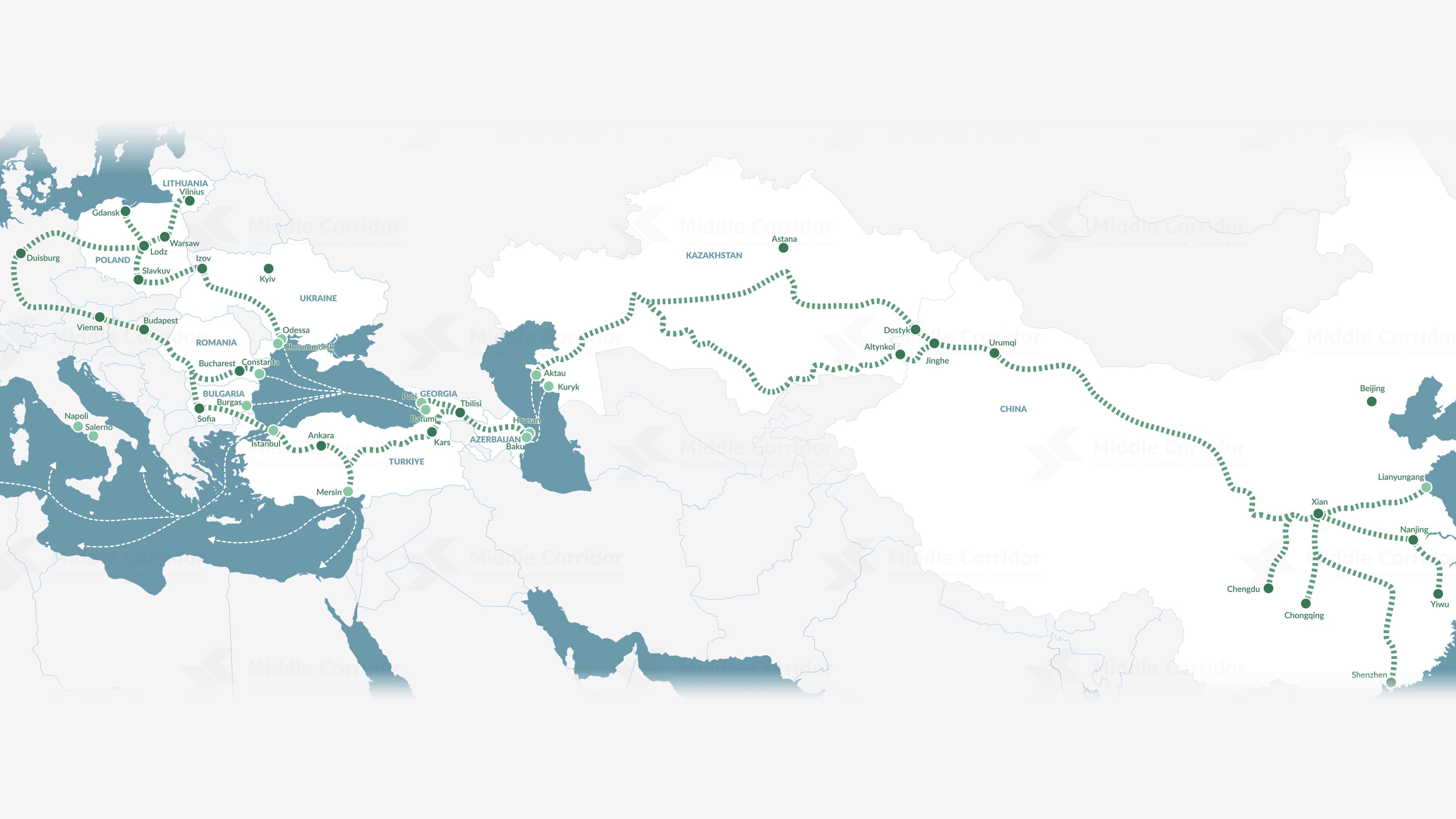
Both this cable and the Telecom Armenia–AzerTelecom agreement strengthen the Middle Corridor, an emerging trade and transport route linking the region's markets with Europe and Asia, providing an alternative to routes through Russia. While the corridor has thus far been defined largely by railroads and pipelines, the global economy is digitizing, and the digital layer of the corridor might well come to matter just as much as the physical one. Recent developments demonstrate that the peace process is already producing that layer, converting diplomatic breakthroughs into infrastructure the region can use and that bolsters regional partnerships.
This corridor matters most where it intersects with the region's AI. Armenia has already emerged as the Caspian region's connection to Silicon Valley and NVIDIA, making data centers a tangible goal for the region. San Francisco-based Firebird is building a data center near Yerevan running on NVIDIA GPUs, the first AI supercomputing facility of its kind in the Caucasus. Moreover, Kazakhstan has struck a deal with Firebird to begin the first steps towards its major AI project, Data Center Valley. But the region’s compute is only valuable if it can be delivered to the customer as data over a network.
By giving Armenian networks a direct route east through Azerbaijan and onto the trans-Caspian cable, the telecom deal can transform Armenia's GPUs from a national asset into a regional one. The same logic extends to other countries investing in AI infrastructure, including Azerbaijan, Kazakhstan, and Tajikistan. Each will need export paths for the work its data centers are meant to generate. Connectivity is thus critical if the region's AI investments are to pay off, and the Telecom Armenia–AzerTelecom deal is among the first concrete moves toward building it.