A Hotter Future: El Niño and the Acceleration of Central Asia’s Climate Crisis
Recent Articles
Author: Liam Gibson
07/07/2026
Already suffering from serious climate shifts, water shortages, and rising temperatures, Central Asia appears headed for a major tipping event. The U.S. National Oceanic and Atmospheric Administration announced the start of an El Niño event on June 11 that will bring higher temperatures and increased rainfall to Central Asia in the coming months.
El Niño occurs when surface water temperatures in the tropical Pacific Ocean warm, influencing weather phenomena around the world for its roughly one-year duration. With water temperatures as high as 6ºC above average recorded in parts of the ocean, this particular El Niño is set to be among the most extreme on record. Previous El Niño’s caused by a far lesser degree of ocean warming have unleashed natural disasters and significant economic losses around the world.
For Central Asia, this climate event comes at a time when changing temperatures and precipitation patterns already threaten the region’s future habitability. Heatwaves, drought, torrential rain, glacier melt, and desertification have battered the ecosystems that sustain life for Central Asia’s 85 million people. The last El Niño in 2023-2024 was one of the five strongest ever recorded and broke global temperature records. Now, Central Asia may experience higher temperatures and increased precipitation in the coming months. More rain in a region often associated with water scarcity and droughts may be welcome, but the event may further destabilize a fragile climate that is increasingly vulnerable to change.
Turning up the heat
Central Asia is dominated by arid and semi-arid climates and has experienced temperature rise at a far greater rate than the rest of the world. The average annual temperature in Uzbekistan has already warmed by 1.6ºC compared to the 0.6ºC global average, and models predict up to 6.5ºC of warming in the region by 2100.
Heatwaves, which El Niño conditions may intensify, are expected to become more common and more dangerous under climate change. This phenomenon has already been associated with recent mass mortality events in other regions, and arid locations in Central Asia may be hit particularly hard in coming decades. Urbanization further enhances this risk, as the urban heat island effect could intensify heat-related stress.
Several Central Asian nations have already predicted extreme weather this summer amid the coming El Niño. In the wake of its hottest year on record, Kazakhstan’s national weather service Kazhydromet forecasts periods of intense heat throughout the summer. Southern regions may see daytime temperatures soar to 45ºC in June before a cooler July closer to seasonal norms. The heat will return in August, with extended heatwaves expected in central and western Kazakhstan.
Uzbekistan’s Uzhydromet also anticipates a warmer than usual summer, predicting temperatures of up to 45-47ºC in the north, south, and desert areas. These temperatures approach Uzbekistan’s hottest temperature ever recorded of 49.6ºC in Termez in 1914. While this record is not expected to be broken this year, extreme heat will considerably stress the country.
When it rains it pours
Kazakhstan and Uzbekistan forecast unusual precipitation patterns to accompany the heat in the coming months. Kazakhstan expects dry conditions to affect different regions throughout the summer, causing droughts and stressing available water resources. Notably, Kazhydromet predicts overall precipitation to remain average, indicating potential problems regarding water distribution across Kazakhstan’s territory.
Uzhydromet similarly warned that June will bring 2-4 fewer instances of rain than May, although the south and desert areas may see as many as 5-12 fewer storms, contributing to dry conditions and dust storms. The organization noted that torrential rain that meets or exceeds monthly norms in just one or two storms have become more common in recent years. In arid regions, these storms can dump the normal quantity of rain for 8-20 months in just a few hours, considerably stressing local ecosystems with both floods and droughts.
El Niño may exacerbate these precipitation extremes, which align with long-term trends observed in the region. Precipitation volumes have broadly increased in Central Asia alongside temperature. Greenhouse gases and aerosol emissions drive this wetting trend by influencing precipitation directly and raising temperatures, in turn accelerating snow and glacier melt that increase precipitation. Because snow cover and soil moisture are the most significant factors behind vegetation cover, the region has actually experienced significant regreening in certain areas. Higher temperatures coupled with more precipitation have increased forest growth and extended the growing season by accelerating glacier melt and enhancing photosynthesis.
Warming rates in mountains are twice as fast as in other areas, further accelerating melting. Melting is expected to peak between 2035 and 2055, after which glacier melt will steadily decline indefinitely. The region’s glaciers are already suffering from shifting seasons, with winter snowfall beginning more than six days later and ending more than nine days earlier in 2020 than in 1961. Under the most extreme estimates of temperature rise by the Intergovernmental Panel on Climate Change, the snowfall season could shrink by an additional two months by the end of the century. Narrowing winters mean glaciers have a smaller window each year to recover from the summer heat.
Warmer temperatures exacerbated by El Niño could be offset by increased glacial melt this summer, but the region cannot sustain this in the long term. The disappearance of the region’s glaciers, already well underway, would cancel out any temporary increases in the precipitation and meltwater that fuels the region’s powerful rivers. The UN report “Climate Outlook 2025-2029” identified droughts intensified by melting glaciers as the single greatest threat to Central Asia. Life in the region quite literally flows from these alpine ice reserves.
Where’s my water?
Increases in vegetation have been accompanied by desertification in other parts of Central Asia. One analysis of precipitation data found that desert climates shifted roughly 100 km north from 1960 to 2020. Another study using remote sensing technology found that 14.8 percent of the region experienced desertification between 1982 and 2020, most notably in Kazakhstan, Uzbekistan, and Turkmenistan. Local environmental factors like changes in temperature and rainfall, both of which will be affected by El Niño, cause most desertification, but agriculture, emissions, and population centers bear the reponsibility for 30.9 percent of Central Asia’s desertified lands.
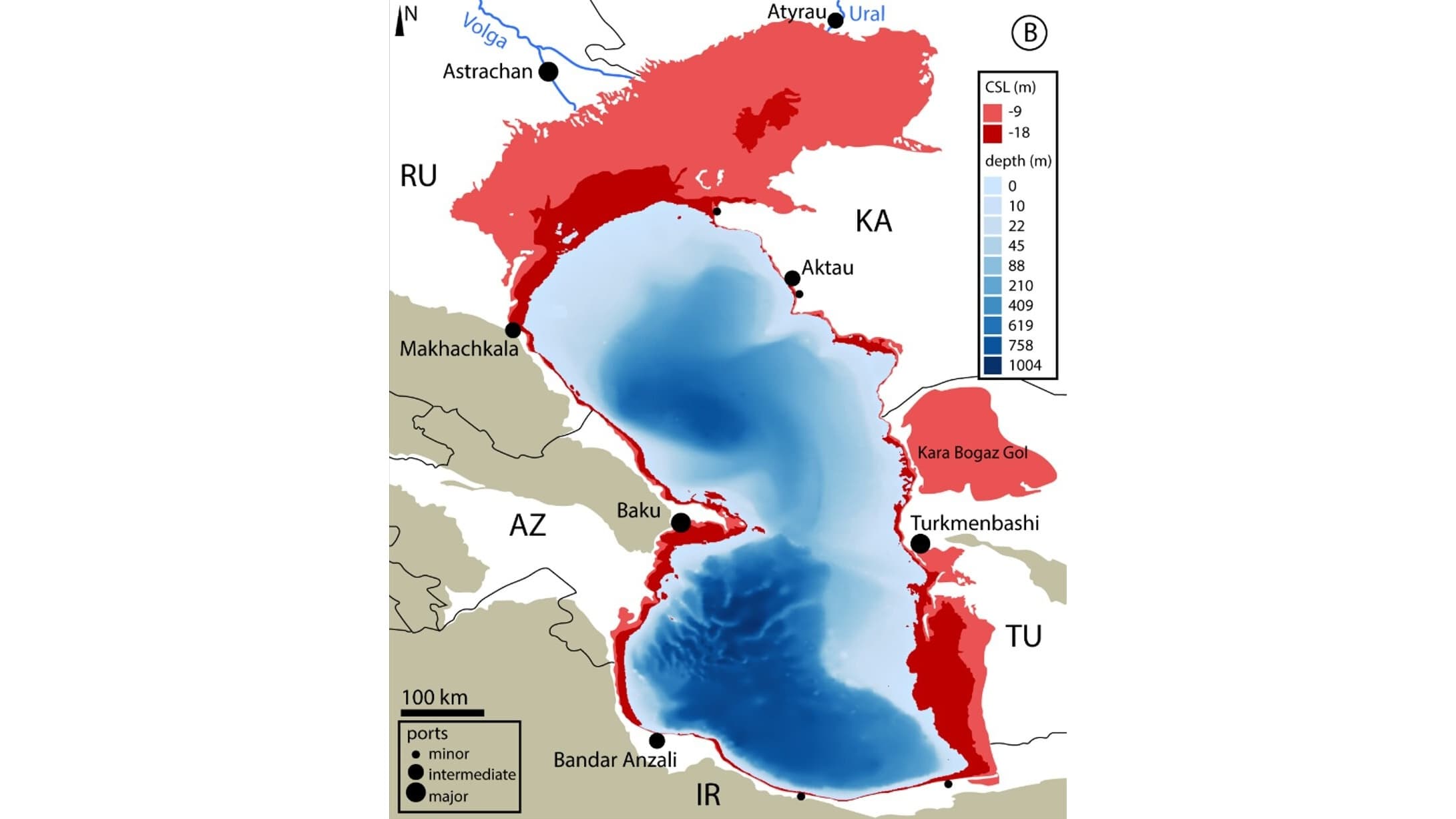
Some studies have found an overall net decrease in or redistribution of desert areas but nevertheless point to the phenomenon’s looming threat. Scholars identify the areas surrounding the Aral Sea and the shallower northern part of the Caspian Sea as particularly degraded and vulnerable to further desertification.
Nowhere are the consequences of this more apparent than in the sands of the former Aral Sea, once the world’s fourth largest lake. Over 75 percent of its surface area has been lost since Soviet-era irrigation projects diverted the Amu Darya and Syr Darya Rivers that feed the lake. The water has been replaced by 13 million acres of toxic desert contaminated with the fertilizers and insecticides that accumulated in the lake. These harmful pollutants are carried thousands of kilometers on the wind in toxic dust storms, degrading soil and vegetation and damaging human health far from the desiccated lakebed.
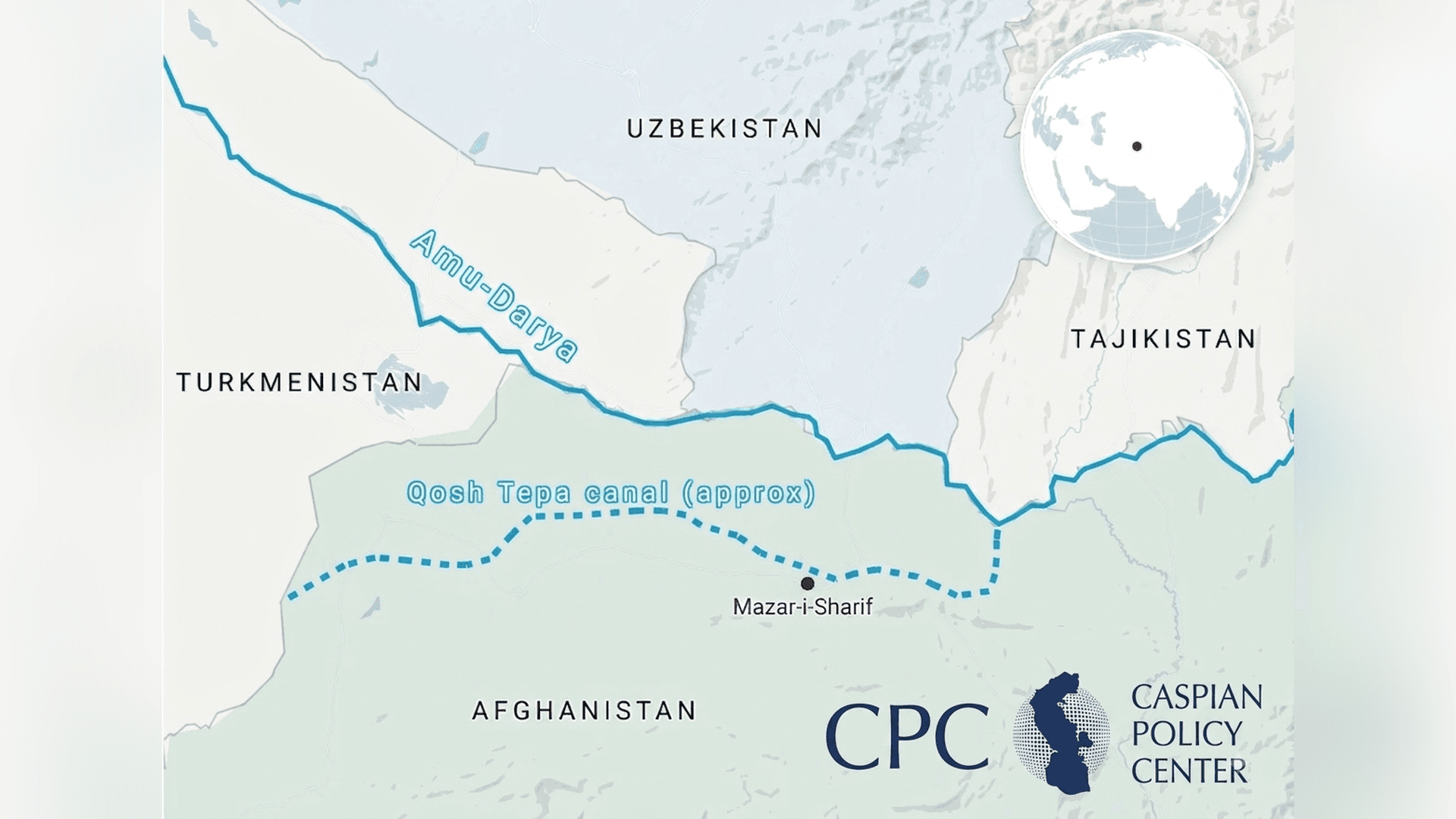
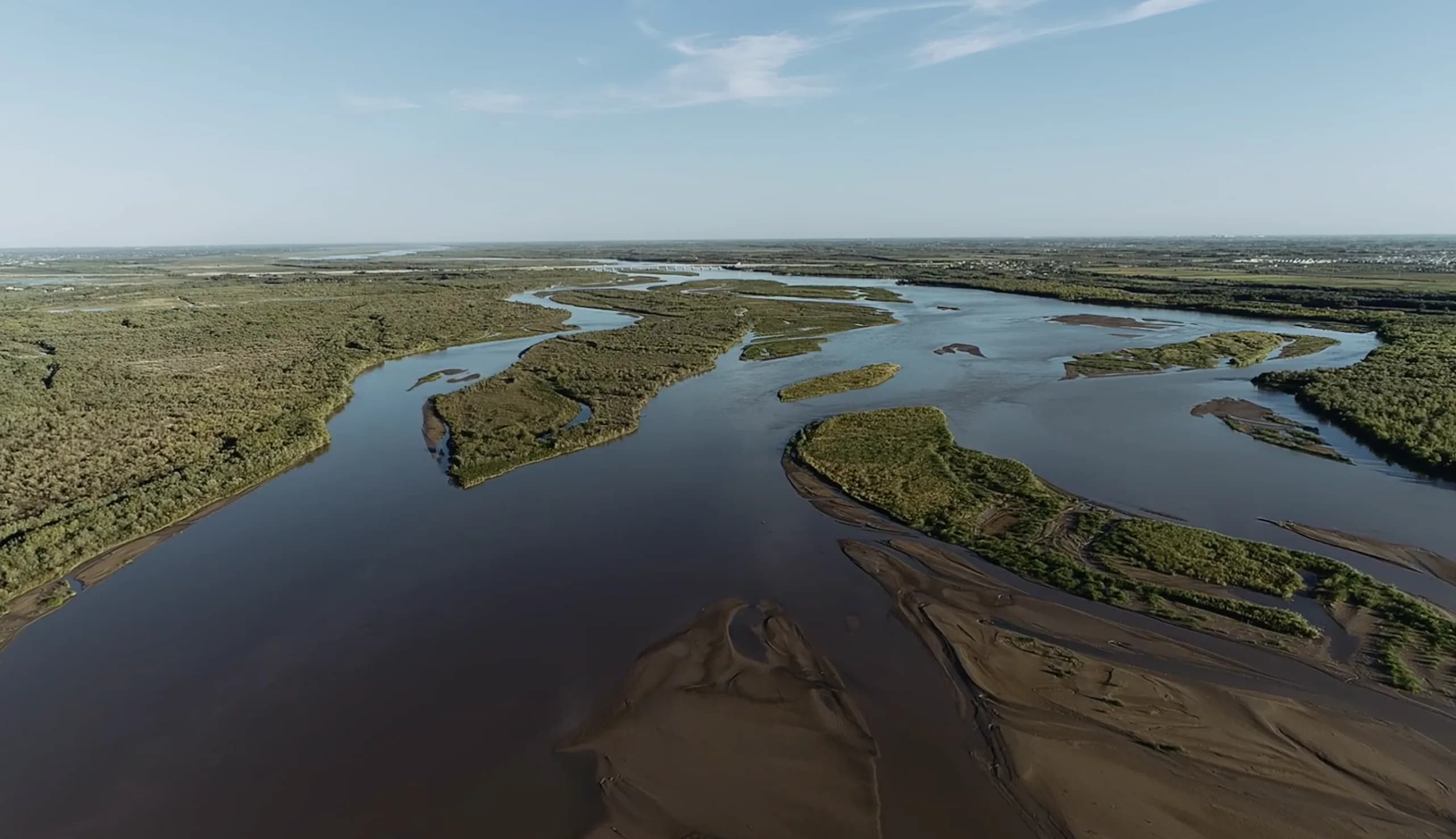
Upstream water diversion in Afghanistan, China, and Russia continue to cause problems for the region’s bodies of water. Afghanistan’s Qosh Tep Canal project strains already-limited resources for downstream consumers, possibly rerouting 15 percent of Uzbekistan’s and as much as 80 percent of Tajikistan’s water. Excessive use of the Ili and Irtysh Rivers by China leaves little for Lake Balkhash and Kazakh reservoirs. Russian damming and increased consumption of the Volga River contributes to the ongoing decline of the Caspian Sea.
Get out of the kitchen?
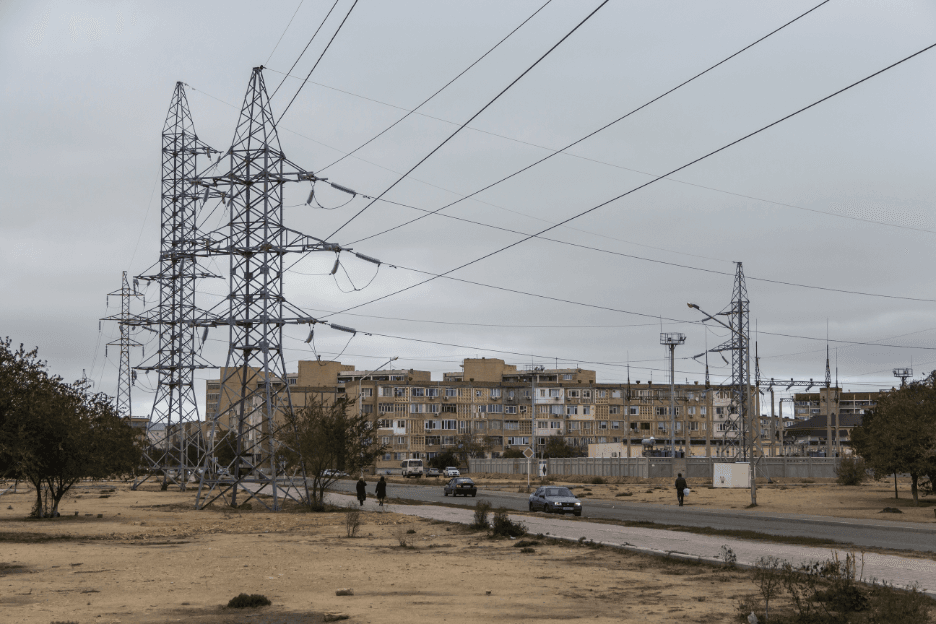
Given such a poor climate outlook, measures need to be taken to mitigate further damage to Central Asia’s environment. Cutting emissions is an important step. Antiquated power plants provide most of the region’s electricity, propped up by large government subsidies that stymie upgrades. Old coal plants and heating systems in private homes produce large amounts of coal dust that both pollutes the air and accelerates snow melt. Methane emissions from oil and gas fields and cattle farms remain sky high. This pollutant traps 28 times as much heat in the atmosphere as carbon dioxide, thus posing a particularly grave threat to the region. The transition to green energy is underway, however, with Kyrgyzstan and Tajikistan relying on hydropower for over 90 percent of their energy. Diversifying to additional power sources, such as nuclear, solar, and wind, would put less burden on fossil fuels and strengthen resilience to water scarcity in the long term.
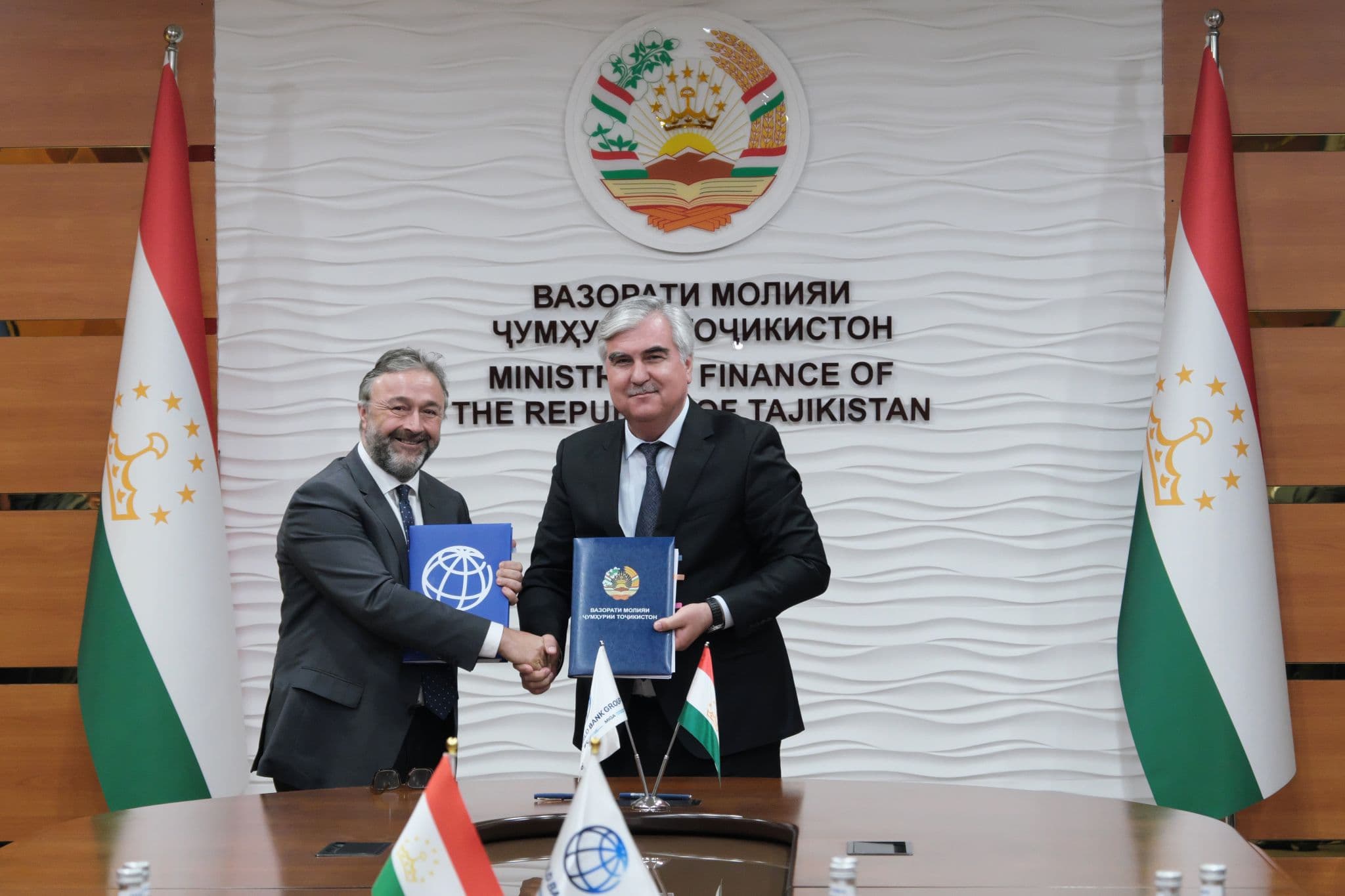
Another necessary step is closer cooperation among the Central Asian countries regarding water use. The recent agreement among Kazakhstan, Uzbekistan, and Tajikistan as well as last September’s agreement among Kazakhstan, Uzbekistan, and Kyrgyzstan are the most current manifestations of transboundary water management efforts. Future cooperation could be characterized by more inclusive formats with all five nations to ensure fair and equitable water allocation. However, Afghanistan is not party to any regional water-sharing agreement and will be responsible for a significant drain on Amu Darya waters. A permanent body to govern regional water use could formalize water sharing processes and pool expert knowledge to better address the problem.
Besides improved cooperation on water use, Central Asia’s irrigation infrastructure sorely needs an upgrade. Turkmenistan is the world’s largest consumer of water per capita, with Uzbekistan, Tajikistan, Kyrgyzstan, and Kazakhstan not far behind, in that order. Agriculture accounts for over 80 percent of the region’s water consumption, with decrepit Soviet-era canals and pipes losing 40 percent of that water before it reaches the fields. Modernizing this infrastructure would greatly aid in water management and build resilience by minimizing losses en route to fields, lakes, and reservoirs.
Russia has looked to geoengineering as another option. In line with the Soviet tradition, the Russian Academy of Sciences has examined the feasibility of rerouting Siberia’s Ob River to Central Asia. The hefty $100 billion price as well as significant unknowns regarding the risks of such an ambitious project mean this idea is far from a silver bullet.
Central Asian states have pursued less grandiose solutions so far. In areas that have been degraded, land recovery efforts such as tree and shrub planting can restore land and protect against wind erosion and dust storms. However, the long-term viability of this method depends on continuous water availability.
Kazakhstan deployed a new cloud-seeding program on May 17 to combat water scarcity and desertification in the southern Turkistan region, providing some protection to 900,000 hectares of farmland and provoking protest from neighboring Kyrgyzstan. Concerns about the technology’s wider impact on regional precipitation may be unfounded, but insufficient study of the question muddies the water. Uzbekistan has also been pursuing smaller cloud-seeding projects since 2023. The technology’s spread could provide a useful tool to alleviate local water scarcity, although its detrimental effect on regional trust could hamper broader water management efforts.
In sum, the coming El Niño will likely exacerbate challenging climate conditions in Central Asia in the coming months. Steps should be taken quickly, decisively, and jointly to build resilience and find long-term solutions to the effects of climate change in the region.