Putin’s Vanishing Empire
Recent Articles
Author: Dr. Eric Rudenshiold
08/07/2026
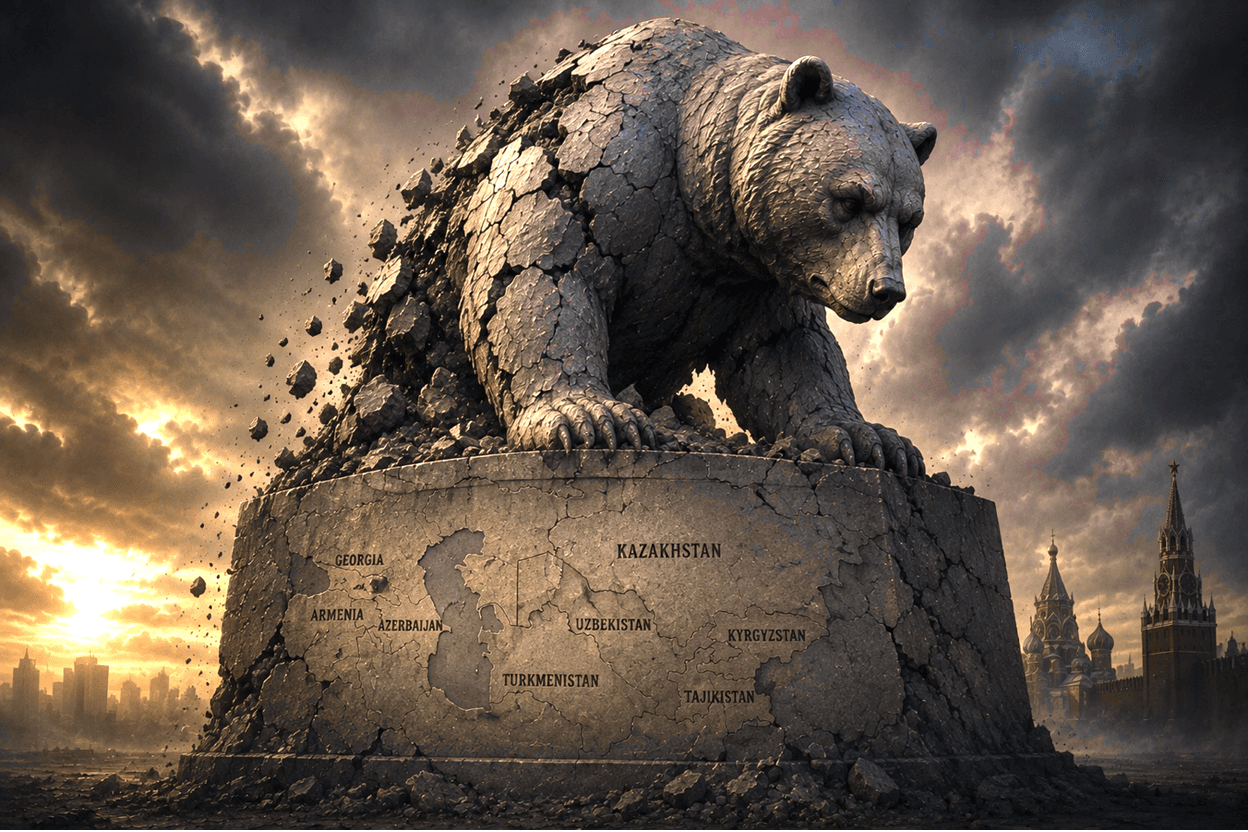
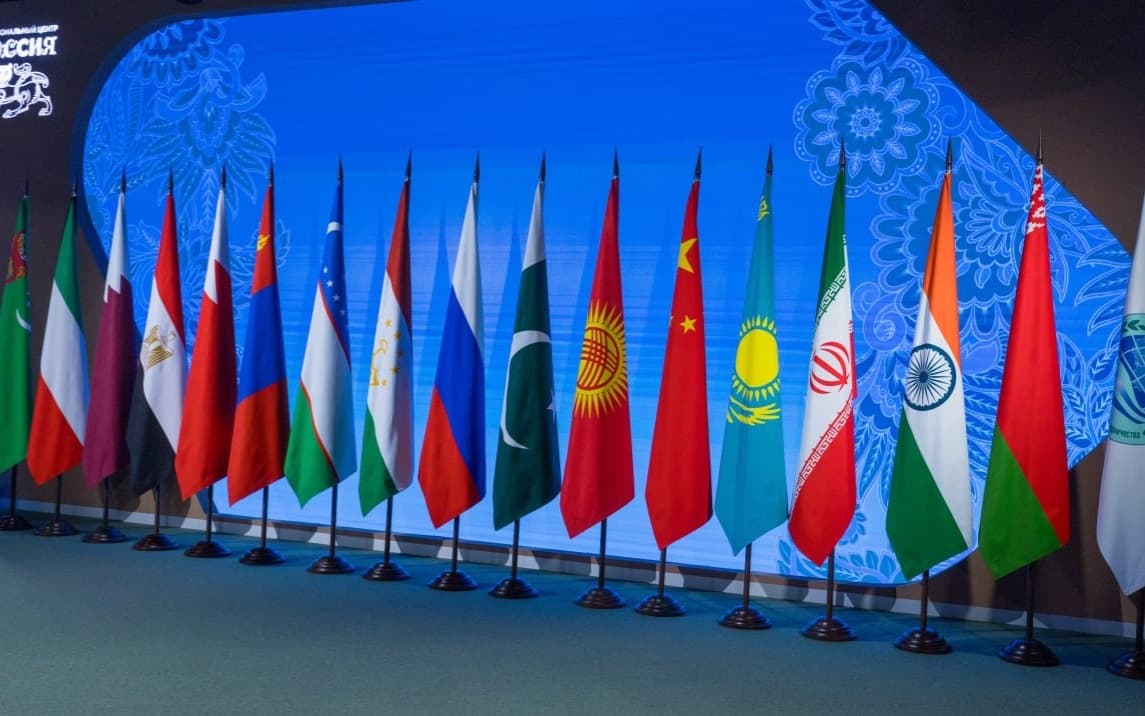
For more than three decades, Russia has insisted that the former Soviet republics represent a privileged sphere of influence. In this so-called "near abroad," Moscow has enjoyed a virtually unchallenged authority to exert direct and indirect influence over the economies, domestic politics, and foreign relations of its neighbors. The concept has survived the Soviet Union itself and been central to Vladimir Putin's vision of restoring Russia as a great power.
During the Cold War, Moscow relied on Eastern Europe's satellite states as a strategic buffer. After the Soviet Union collapsed, the Kremlin sought to maintain that bulwark by preserving political, military, and economic dominance over the former Soviet republics, preserving a cordon sanitaire against western influences. However, the greatest casualty of Putin's war in Ukraine might not simply be Russia's military prestige or its economic wellbeing but the demise of the very regional order that Moscow has so desperately sought to preserve.
The irony in the Kremlin’s logic is difficult to ignore. Russia invaded Ukraine in large measure to demilitarize Kyiv and to reverse what Moscow viewed as the steady erosion of its influence across a restive, former-Soviet space. Instead, the invasion escalated that very process. Four years into the conflict, Moscow finds itself embroiled in a war whose strategic costs outweigh any attainable political gains. Moreover, the Kremlin is also confronting the unanticipated reality where neighboring countries it once deemed subservient are increasingly behaving and making decisions independent of Russian control.
Ukraine was the catalyst. What began as an invasion intended to restore Russian dominance has become a war that increasingly demonstrates Moscow’s limits. In trying to halt the decline of Russia’s primacy, the Kremlin has instead accelerated it. Ukrainian forces have successfully transformed low-cost, long-range drone capabilities into weapons that are working to dismantle the economic infrastructure that sustains Russia's war efforts. Refineries, logistics hubs, airfields, oil tankers, and military-industrial facilities are no longer safe from Kyiv’s drones, beyond what was once considered a secure line of safety.
Crimea, taken during Putin’s first invasion of Ukraine in 2014, was celebrated in Moscow as a symbol of Russia's resurgent strength and ability to do what it wanted, where it wanted. It has since become vulnerable to Ukrainian strikes that complicate military and civilian supply logistics. Its increasingly degraded ability to sustain the Crimean occupation now serves as a counter to the notion of Russian invincibility.
The Kremlin’s inability to impose its will over Ukraine has done more than damage its military credibility. It has also undermined the assumptions of the post-Soviet regional order where Moscow’s neighbors have served as vassals within Russia's historical and political sphere. Now these states are questioning whether Russia still has the authority or ability to lead. That attitudinal shift is increasingly visible across Eurasia.
Armenia was once among Moscow's closest partners, but Yerevan now openly questions the value of Russian promises. Following the collapse of its occupation of Nagorno-Karabakh in Azerbaijan and Russia's unwillingness or inability to intervene, Yerevan has pivoted to expand cooperation with Europe and the United States at the expense of Russian influence.
Moldova is also working toward European integration, despite Moscow's influence in the secessionist Transnistria region. While the separatist enclave has been sustained almost exclusively by Russian support, its dependence on Moscow is now strained by the Kremlin’s own squeeze due to the mounting costs of sustaining and supplying the war effort.
Nowhere is the transformation more significant than in Central Asia. For decades, a major aspect of Moscow’s influence in the region derived from Central Asia’s dependence on Soviet-era railways, pipelines, electricity grids, labor migration, and security institutions. The region’s long borders with Russia and remote location guaranteed Russia an out-sized influence. Today, however, this geographic isolation is being overwritten by new infrastructure and mechanisms of connectivity.
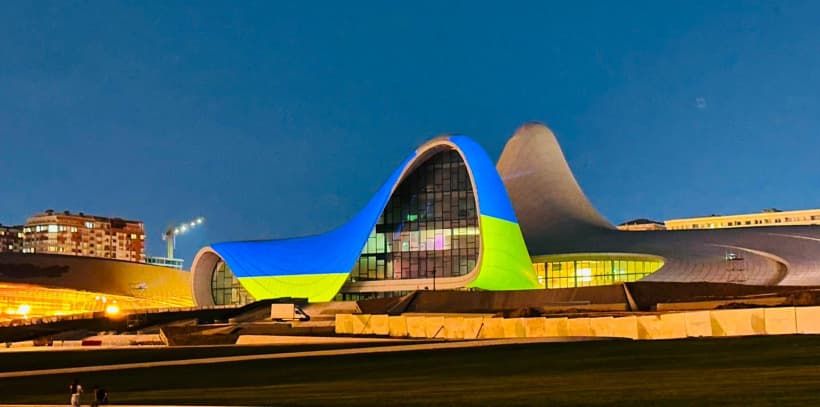
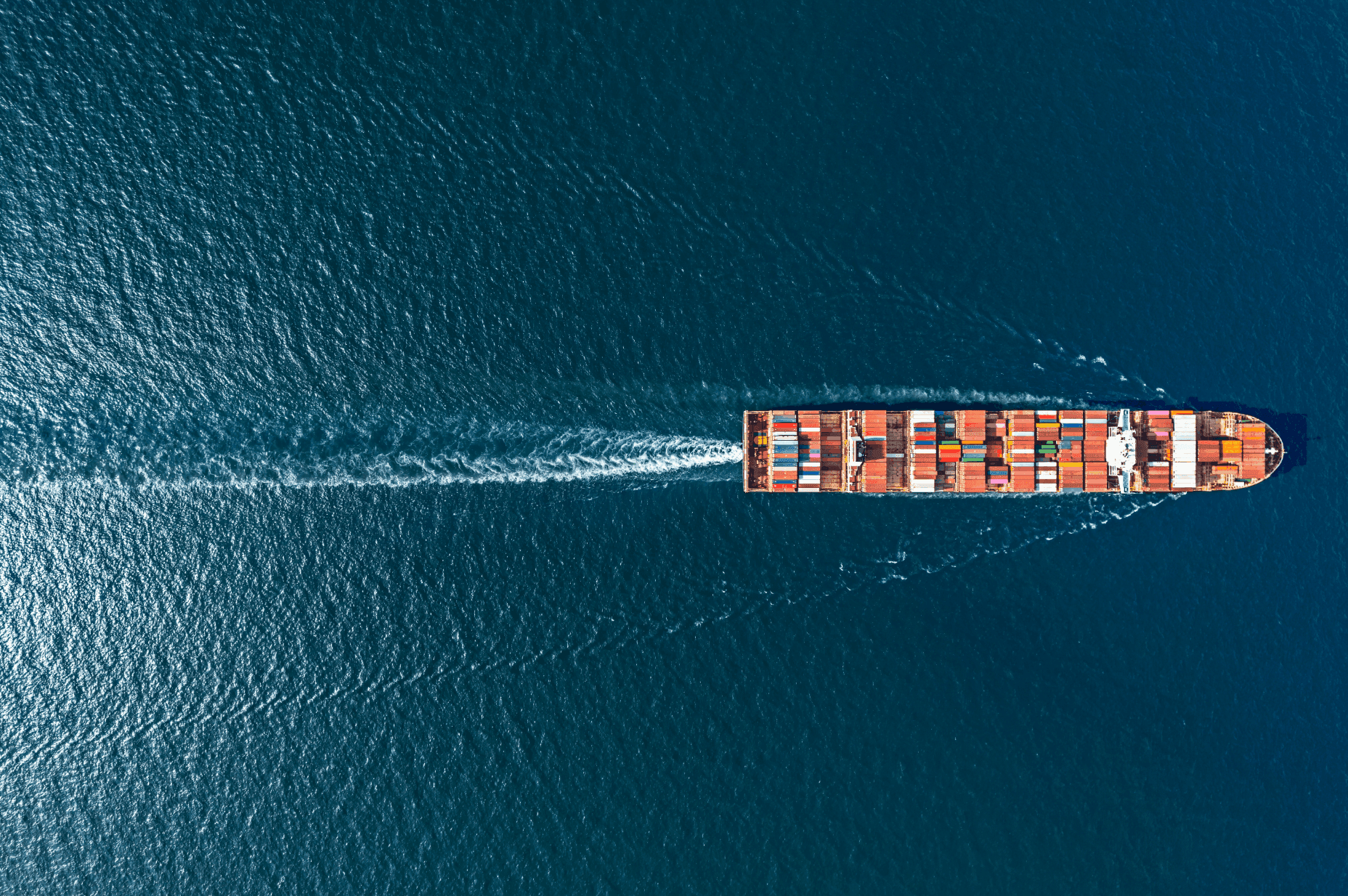
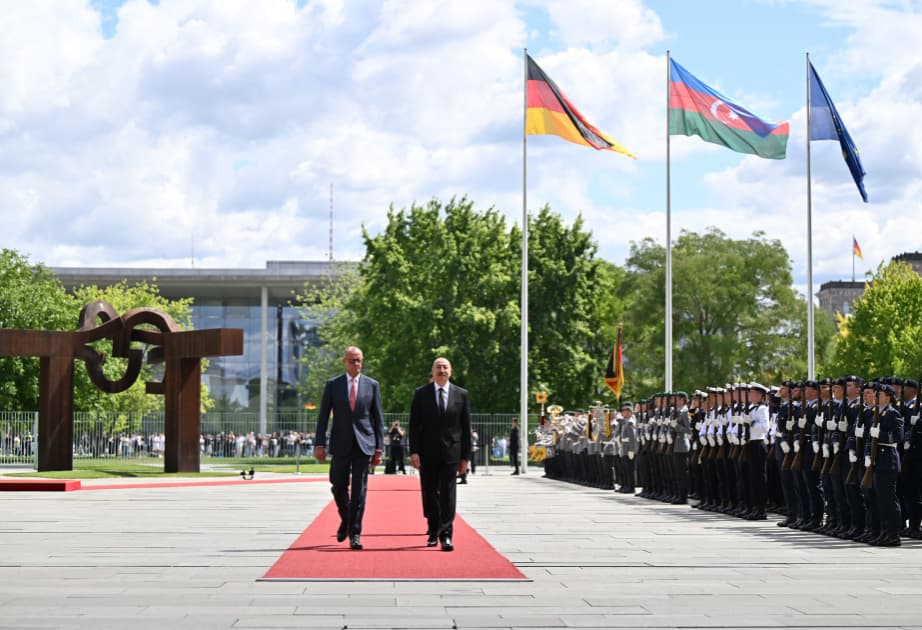
Kazakhstan has accelerated development of export routes across the Caspian Sea that bypass Russian territory altogether. Uzbekistan increasingly is using this trans-Caspian Middle Corridor as a pathway to new European markets. Azerbaijan has transformed itself into the transit gateway from Central Asia to Europe. Trade routes from China and elsewhere in eastern Asia that prior to the war in Ukraine naturally flowed north through Russia now move westward via the Middle Corridor. More than economic modifications, these shifts are demonstrations of geopolitical diversification.
Even Belarus demonstrates Russian limits. Despite Belarus's continuing economic dependence on Moscow, President Alexander Lukashenko has resisted deploying his country's military to Ukraine. Particularly after Kyiv's explicit warning in June, Minsk calculated that avoiding Ukrainian drone attacks was preferable to fallout from displeasing its longtime ally and financial benefactor. Dependence no longer translates into absolute obedience.
This broader erosion of the Kremlin’s support reflects a key misinterpretation in the West’s understanding of Russia. Analysts too often conflate Russia's extraordinary resilience and capacity to absorb economic punishment, military losses, and international isolation with enduring strength. But the country’s remarkable absorptive capacity should not be confused with an ability for revitalization.
Russia's war effort increasingly resembles a campaign of national self-destruction. The Kremlin is financing military production, mobilizing manpower, and sustaining battlefield operations by steadily expending the economic, demographic, and geopolitical resources that are the basis of long-term power. While rubles spent on sustaining the war might contribute to short-term battlefield survival, the outflow comes at the expense of Russia's long-term influence. In effect, Moscow is cannibalizing the resources and global standing that have traditionally been the source of its national power.
The Kremlin’s regional influence flows from the same logic. Authority is maintained not only through military intimidation but through the belief that alignment with a great power confers security, prosperity, and opportunity. The war in Ukraine has weakened all three pillars: Russian security guarantees have lost credibility. Russian markets have contracted, and trading partners are subject to punitive international sanctions. Russian transit routes have become liabilities, and even Russia's energy dominance is degrading as neighboring states seek alternative export corridors and trading partners.
Empires rarely recognize the moment when their power begins to fade. Decline rarely occurs through dramatic upheavals. Instead, it unfolds incrementally with a steady erosion of one diplomatic reassessment, one economic partnership, one trade agreement, or one infrastructure project at a time. This is what is occurring across the former Soviet space today.
Washington needs to recognize this transformation for what it is. While supporting Ukraine remains the central pillar of any strategy to constrain Russian revanchism, equally important is strengthening the sovereignty and connectivity of the countries Russia once assumed would forever remain within its orbit. U.S. investments in transportation corridors, energy diversification, critical minerals, digital infrastructure, and regional institutions are no longer simple development projects. They are now instruments of grand strategy that are building a new Eurasian order.
Putin launched his war assuming Ukraine would demonstrate that Russia remained the indispensable power across Eurasia. Instead, the invasion has accelerated the strategic emancipation of much of the former Soviet space. The Kremlin might continue insisting that the "near abroad" remains its rightful sphere of influence. Increasingly, however, the countries that comprise it disagree. History suggests that spheres of influence decay not when great powers stop claiming them; they decay when their neighbors stop believing them.