Armenia and Russia Sign Bilateral Defense Agreement
Recent Articles
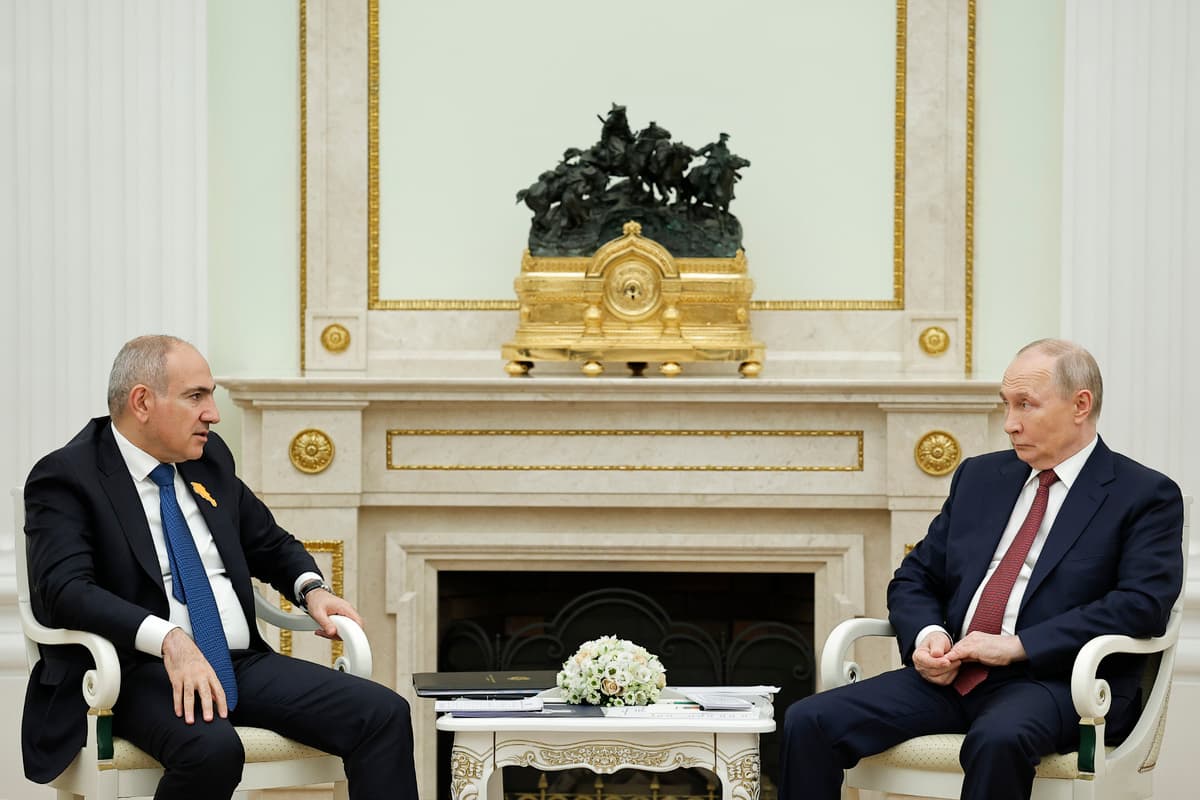
Armenian Defense Minister Davit Tonoyan and Russian Defense Minister Sergei Shoigu met last week and signed the Bilateral Defense Cooperation Plan for 2019. The meeting occurred on the sidelines of the summit of the Commonwealth of Independent States (CIS) Defense Ministers in Tashkent last week. All the ministers present worked on ways to increase cooperation in military technology, military training, and transnational peace issues and signed twenty decisions designed to further those goals. Bilateral meetings like the one between the Russian and Armenian ministers are common at these summits. The Armenian-Russian agreement seems to provide further evidence against a supposed chill in Russo-Armenian relations. The two countries have recently been at odds over Armenia’s attempts to prosecute former officials who were in power during deadly March 2008 post-election protests, including former Armenian President Robert Kocharian and former deputy defense minister Yuri Khachaturov. Khachaturov was head of the Collective Security Treaty Organization at the time Armenia issued charges, making Russia particularly interested in Armenia’s decision to target him. Russian Foreign Minister Sergei Lavrov expressed concern that the charges were politically motivated in late July. Armenian Prime Minister Nikol Pashinyan has repeatedly insisted that the two countries’ relations have not suffered as a result, and recent events support his claim. Russia delivered $200 million worth of weapons to Armenia in July despite the prosecutorial proceedings. President Putin agreed to continue routine weapons supplies to Armenia during Pashinyan’s visit to Russia in September. Last Monday, Moscow and Yerevan started week-long joint military exercises at the Marshal Bagramyan training ground. The Russian-Armenian United Grouping of Troops, a joint force set up in 2000, fought off a simulated invader. The force consists of the Armenian army’s Fifth Corps and Russian troops from Russia’s military base in Armenia and their collaboration indicates that Russo-Armenian military cooperation is proceeding normally. This latest defense agreement is a continuation of these trends. Russia may have been initially concerned about Armenia’s activities, but it appears Yerevan’s diplomatic campaign to calm them has met with success. Armenia’s Ministry of Foreign Affairs stated that their actions were “internal, political priorities of the state” and that “these processes are not connected to Armenia’s foreign policy and should not cause discrepancies.” These military agreements and drills with Russia indicate that Pashinyan has no intention to change Armenia’s close engagement and alliance with Moscow, something that will surely serve to the strengthening of Russia’s strategic positions in Armenia.