Armenia and Azerbaijan Implement Peace: Next steps in Constructing the TRIPP
Recent Articles
Author: Jack Halsey, Toghrul Ali
02/02/2026
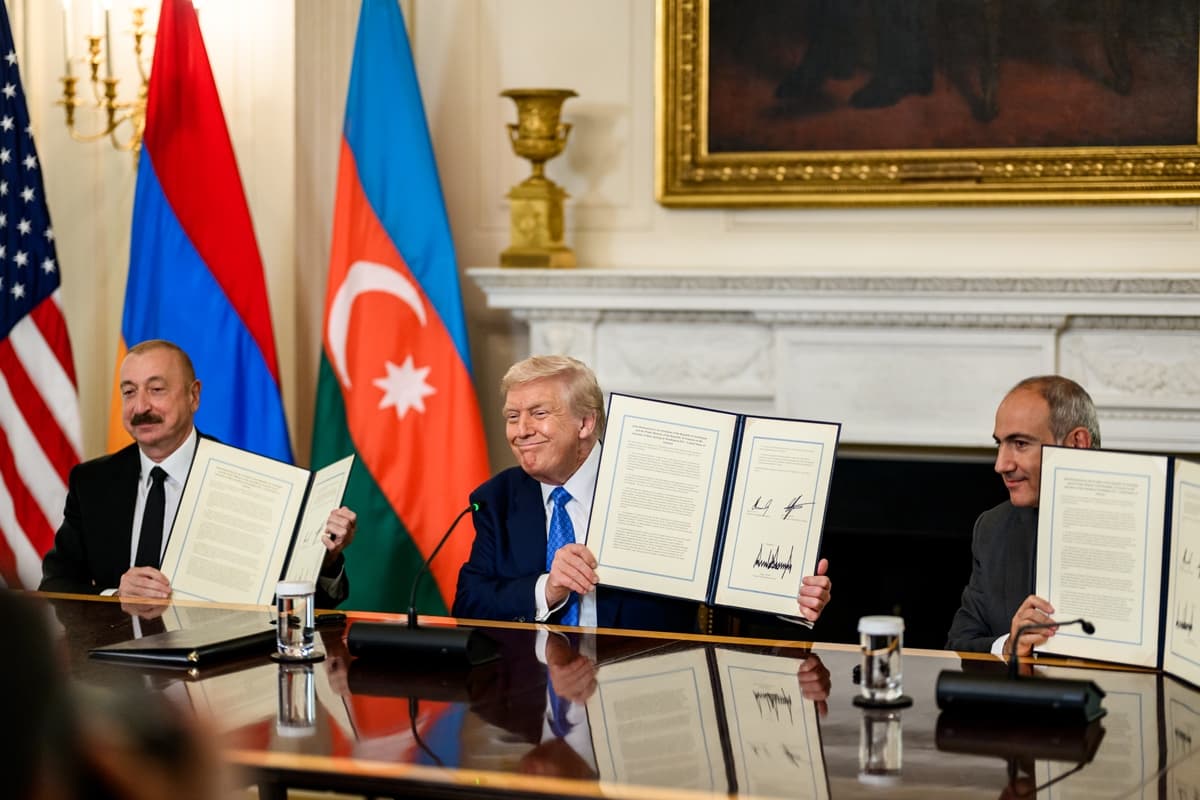
Arguably one of the most consequential elements of the Trilateral (Armenia, Azerbaijan, the United States) Peace Summit has just been expanded. Five months after the agreement’s initialing, the Trump Route for International Peace and Prosperity (TRIPP) has started its initial implementation. Following a meeting between Foreign Minister of Armenia Ararat Mirzoyan and U.S. Secretary of State Marco Rubio, the TRIPP Implementation Framework (TIF) was released. Although the document has no legal standing, the TIF does provide a rationalization for the TRIPP’s existence and how it will function.
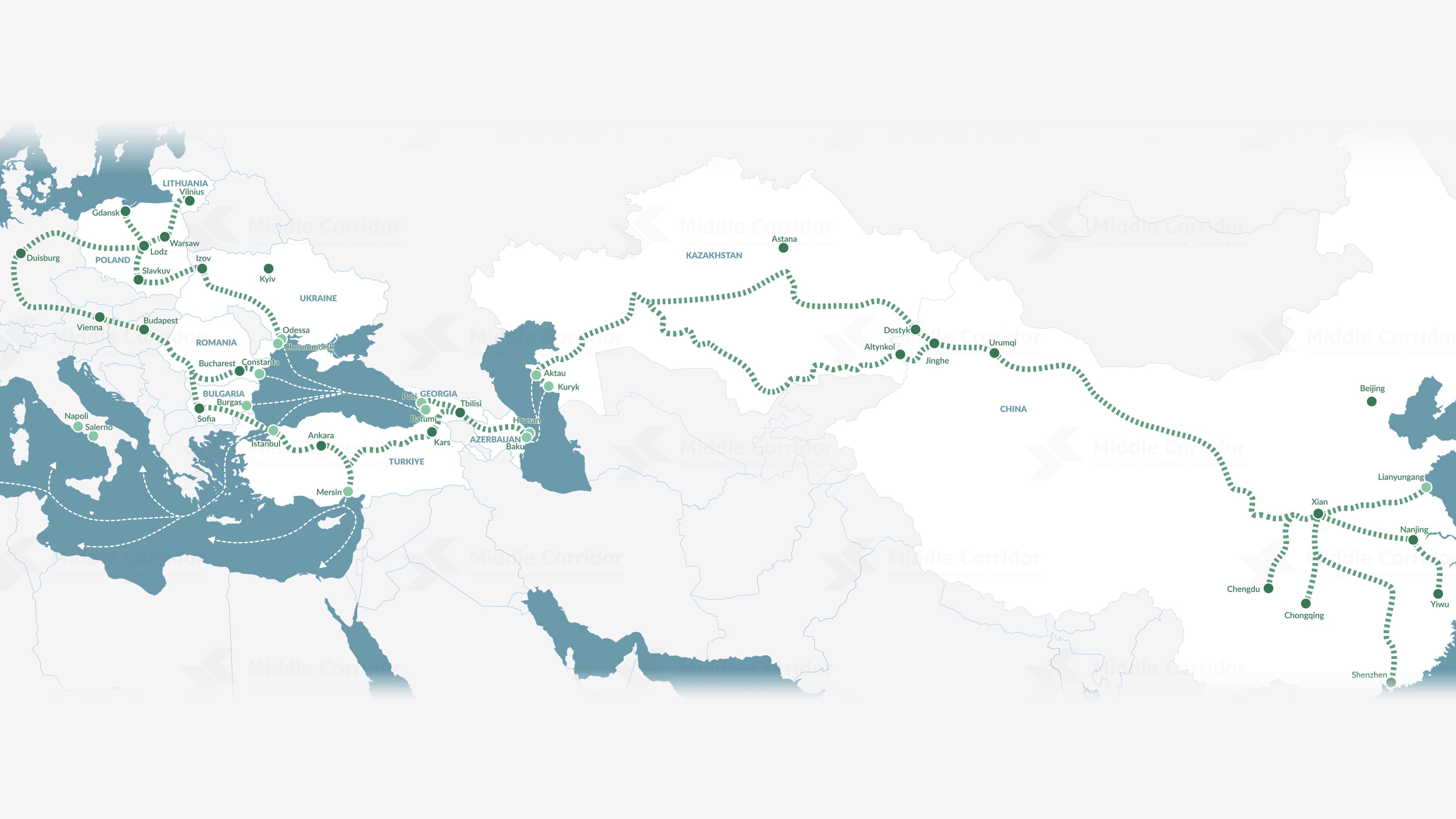
The TRIPP, a 27-mile corridor running through southern Armenia, will consist of both rail and road elements that will establish a direct connection between Azerbaijan and its Nakhchivan exclave. Once completed, the TRIPP will connect to other developing infrastructure projects in Azerbaijan, Nakchivan, and Türkiye that will allow for a significant expansion in the trade capacity of the Middle Corridor. This second trans-Caucasus rail route would allow for goods to bypass Georgia and continue west through Türkiye to Europe. Although projects in Azerbaijan and Türkiye are already underway, it is uncertain when the TRIPP will break ground.
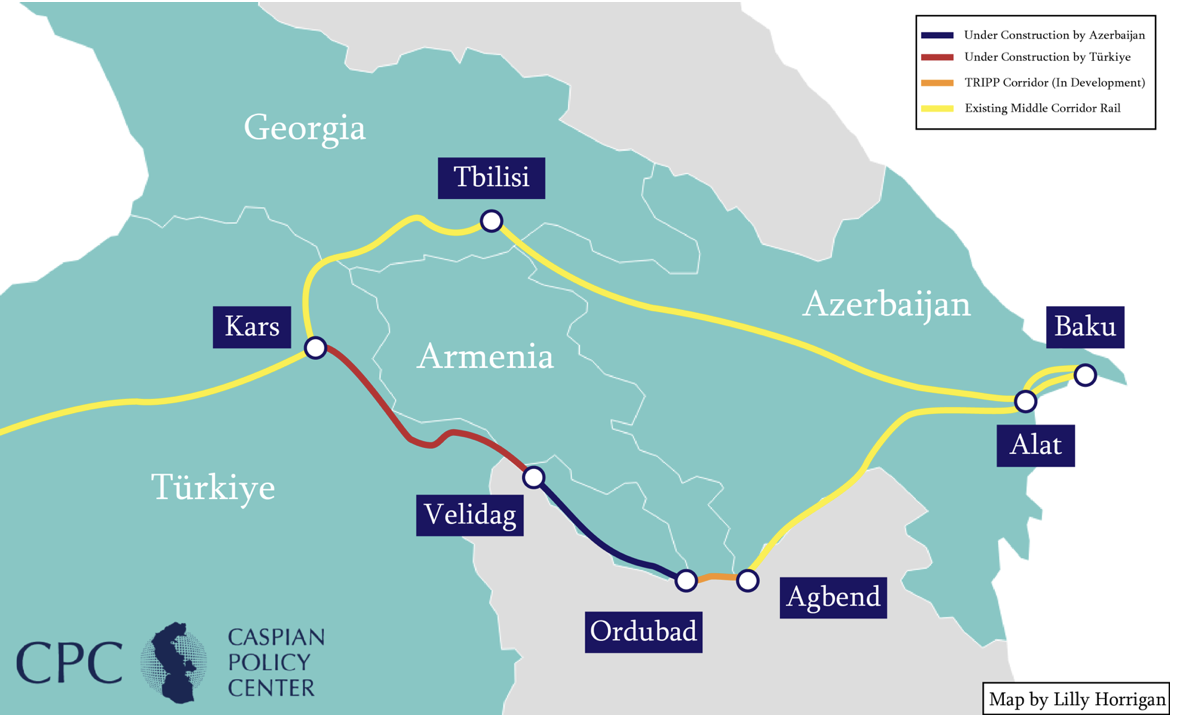
While the benefits of the TRIPP are clear for Azerbaijan, a direct connection to its exclave, the TIF document begins by stating the reasons for the United States and Armenia to also be invested and excited about this project. From the perspective of the United States, the TRIPP is a major entry point for Washington into the South Caucasus: “The United States seeks to...enhance market access and critical supply chains in the Trans-Caspian region.” As it stands, the United States has limited access to Armenian and Azerbaijani markets and vice versa. Therefore, an infrastructure project which guarantees U.S. involvement for 99 years is a stable entry point for American enterprises. In particular, the U.S. is interested in building connectivity for trade throughout the broader, trans-Caspian region to provide alternate ways for raw materials, critical minerals, and rare-earth metals to reach U.S. markets.
The TIF also states that the U.S. seeks to utilize the TRIPP as a means to build open communication and connectivity in the South Caucasus while also providing “an example of peace through prosperity to the rest of the world.” In addition to promoting peace through prosperity, the United States hopes to increase trade-route options through the region to make trade more resilient to geopolitical changes.
 Source: Ministry of Foreign Affairs of Armenia
From the Armenian perspective, the TRIPP is not only a means to establish peace in the South Caucasus, but also a tool to establish what Prime Minister Nikol Pashinyan calls the Real Armenia. For Pashinyan, the Real Armenia is an international player with stakes in the international marketplace. Yerevan seeks to leverage the TRIPP not only to enhance Armenia’s role as a regional transit hub, but also to attract foreign investment in general.
To that end, Yerevan is hoping that further international trade and interactions will help strengthen Armenian society. The TIF highlights Yerevan’s desire to increase potential jobs, initiate technology transfers, and to further provide skill development training for the Armenian workforce.
The TIF document strives to bridge remaining uncertainties by establishing a practical framework to implement the political agreements reached in August. At the heart of this framework is the establishment of the TRIPP Development Company (TDC), structured as a joint venture in which a U.S. partner will hold a 74% stake and Armenia a 26% stake for an initial 49-year period. The agreement can be extended for an additional 50 years, during which time Armenia's equity share would rise to 49%. Importantly, Armenia will retain full sovereignty over the corridor, including legislative and judicial authority, while the U.S. partner will be granted exclusive rights to develop and operate the corridor’s infrastructure and related services.
This arrangement is designed to address domestic sensitivities in Armenia by ensuring that the corridor does not compromise national sovereignty or territorial control, nor weaken state institutions. At the same time, it assigns the United States a leading role in shaping the project’s commercial design, governance standards, and long-term sustainability. In doing so, Washington positions itself as both a guarantor and leading investor. It also reasserts the role Washington previously played in advancing major energy and infrastructure projects in the South Caucasus, including the Baku-Tbilisi-Ceyhan pipeline and Baku-Tbilisi-Kars railway.
TIF not only unlocks substantial commercial opportunities for U.S. investment, but also offers the United States significant potential to expand its strategic reach across the Caspian region by improving access to critical supply chains, including raw materials and transit infrastructure. Beyond its economic impact, TRIPP serves as a significant geopolitical instrument, reinforcing U.S. influence in the South Caucasus and extending its strategic footprint into Central Asia. By anchoring American involvement in the Trans-Caspian International Transport Route, also known as the Middle Corridor, the initiative enhances Washington’s capacity to counterbalance Russian influence in Moscow’s so-called “near abroad,” constrains Iran’s regional maneuverability, and competes more effectively with China’s expanding role in transcontinental connectivity.
Finally, developments following the announcement of TIF have generated encouraging signals and further optimism for deeper cooperation in both Armenia and Azerbaijan. On January 21, Armenian Prime Minister Pashinyan stated before the parliament in Yerevan that “the energy systems of Armenia and Azerbaijan will definitely and unconditionally be interconnected and will, on the same terms, mutually benefit from the opportunities for both export and import.”
In recent months, connectivity between the two countries has increased at an unprecedented pace, exemplified by Azerbaijan’s completion of three shipments of fuel and other petroleum products to Armenia via Georgia. These developments have produced tangible economic and political effects, contributing not only to confidence-building in the reconciliation process but also to a reshaping of the Armenian energy market, where increased competition has driven prices down by up to 15%. For Armenia, which has historically depended almost exclusively on Russia and Iran for energy supplies, this marks a significant step toward diversification and greater energy resilience.
 Source: President of Azerbaijan
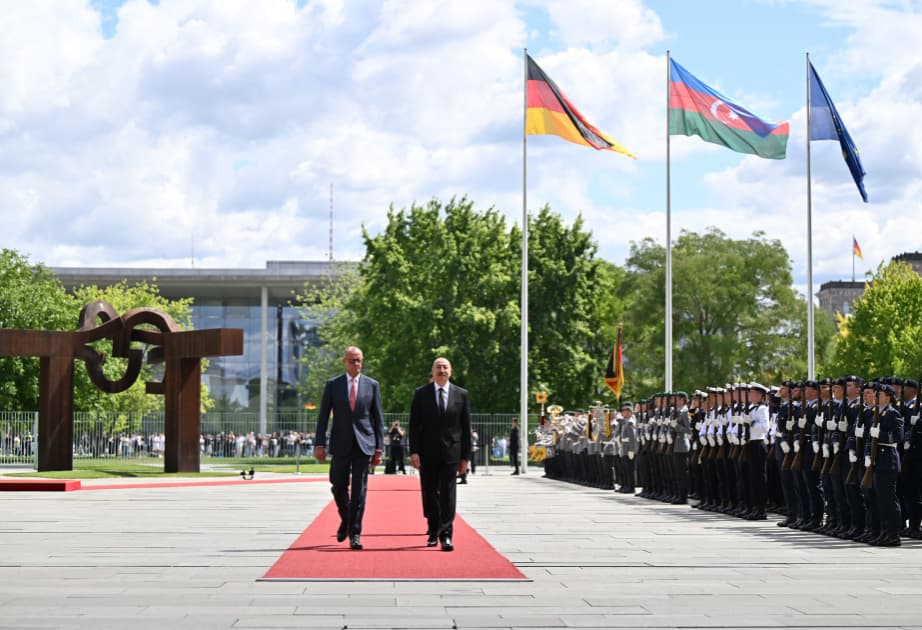
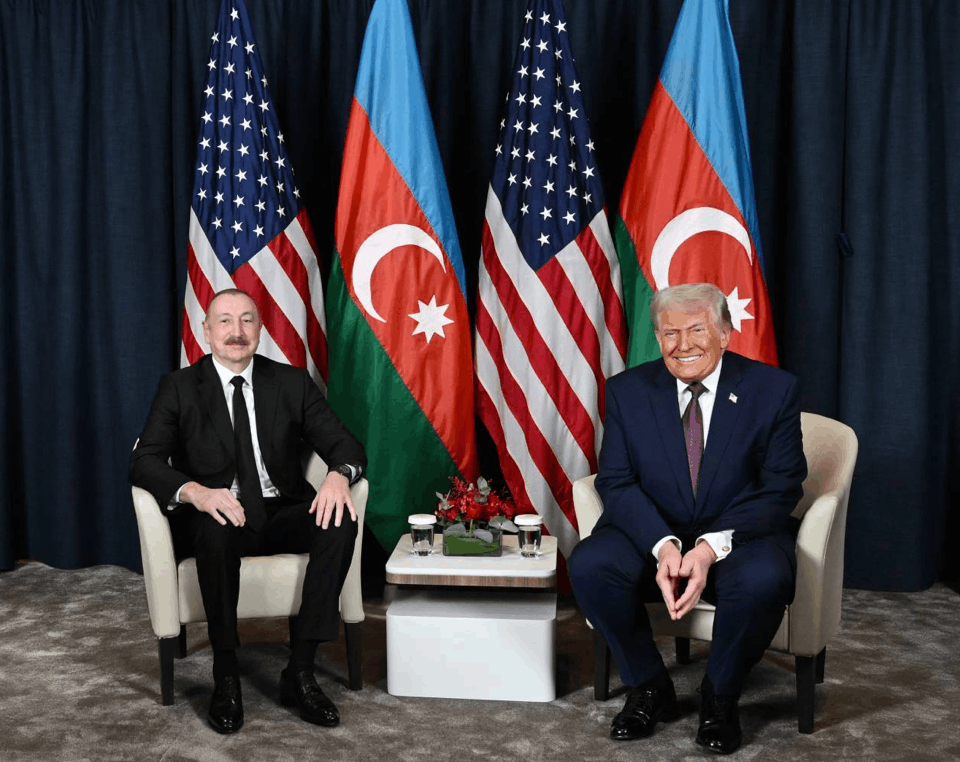
Moreover, on January 22, President of Azerbaijan Ilham Aliyev met with U.S. President Donald Trump on the sidelines of the World Economic Forum in Davos. During their discussion, President Aliyev noted that “peace already exists in the region,” pointing to tangible economic cooperation between the two South Caucasus neighbors, including the export of Azerbaijani oil products to Armenia and the transit of imported grain from Kazakhstan to Armenia through Azerbaijani territory. Aliyev also underscored the importance of TRIPP in enhancing regional connectivity.
While the developments following the August 8 agreement reached in Washington have generated substantial optimism about the prospects for a durable and sustainable peace between Armenia and Azerbaijan, several critical issues remain unresolved. Chief among them is Azerbaijan’s demand that Armenia amend the preamble of its constitution, which Baku argues contains implicit territorial claims on Azerbaijan’s sovereign territory. Armenian Prime Minister Pashinyan, facing parliamentary elections in June, has called for a constitutional referendum, although no timeline has yet been announced.
At the same time, important questions remain about the practical implementation of TIF and the technical and governance details of the TRIPP Development Company, as Washington continues to engage both Yerevan and Baku through TRIPP-focused working groups. Even so, the anticipated rollout of the TRIPP route appears poised to become a hallmark of the Trump administration’s results-driven foreign policy. If successfully implemented, it would join a lineage of U.S.-backed cornerstone projects in the region—such as the Baku–Tbilisi–Ceyhan BTC pipeline and the Baku–Tbilisi–Kars BTK railway—that have reshaped regional connectivity and advanced long-term stability.