The Caspian Region in 2026: New Year’s Addresses
Recent Articles
Author: Dr. Akbota Karibayeva Meyer, Jack Halsey
01/18/2026
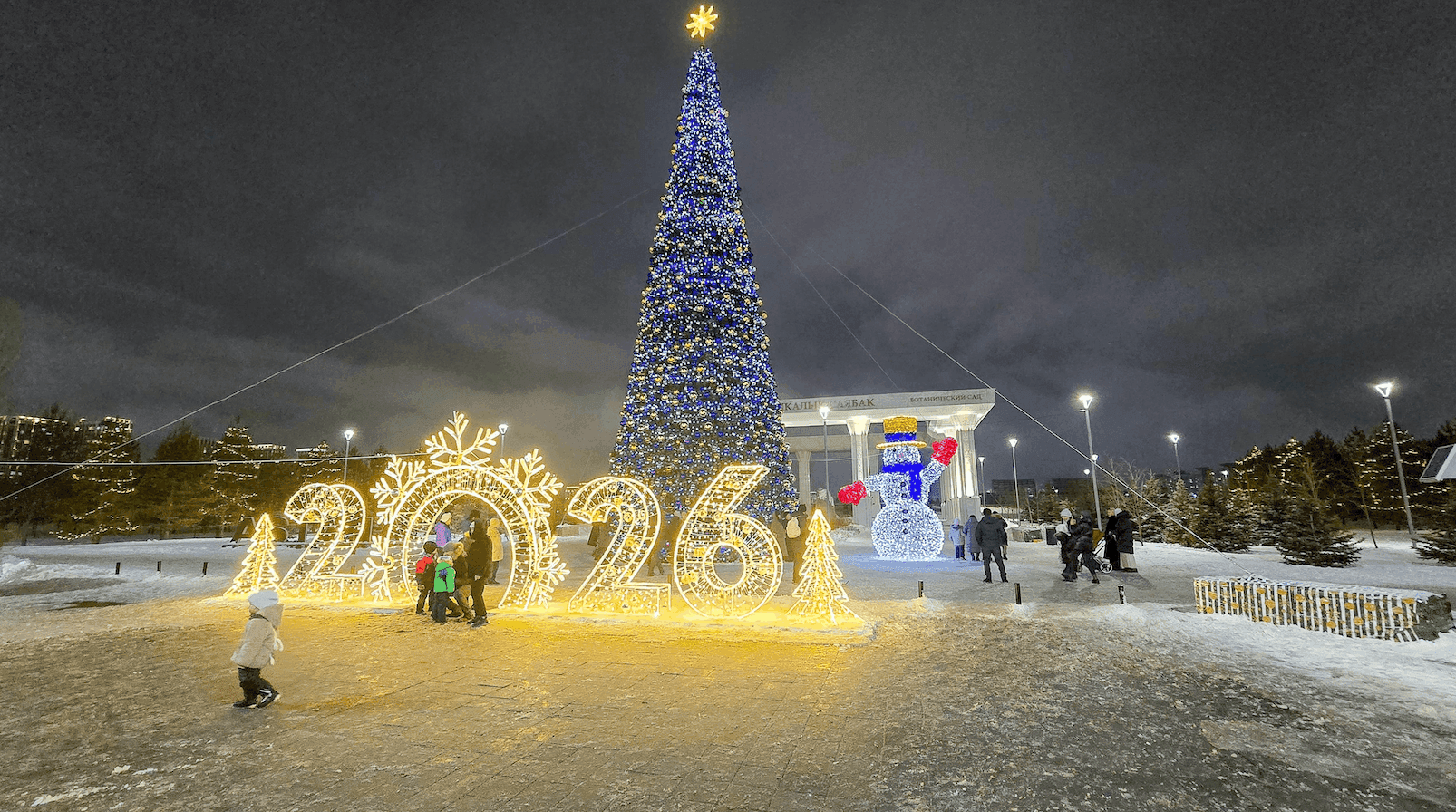
Across Central Asia and the South Caucasus, New Year’s addresses remain a highly ritualized instrument of political communication. The speeches combine ceremonial greetings with reviews of the past year and forward policy signaling. They also serve as concise summaries of what leaders claim to have delivered—and what they intend to prioritize next. Delivered amid global economic uncertainty and geopolitical fragmentation at the end of 2025, the addresses emphasized completed milestones and named infrastructure and reform initiatives, while declaring thematic agendas for 2026 that offer insights into each country’s future direction.
Armenia
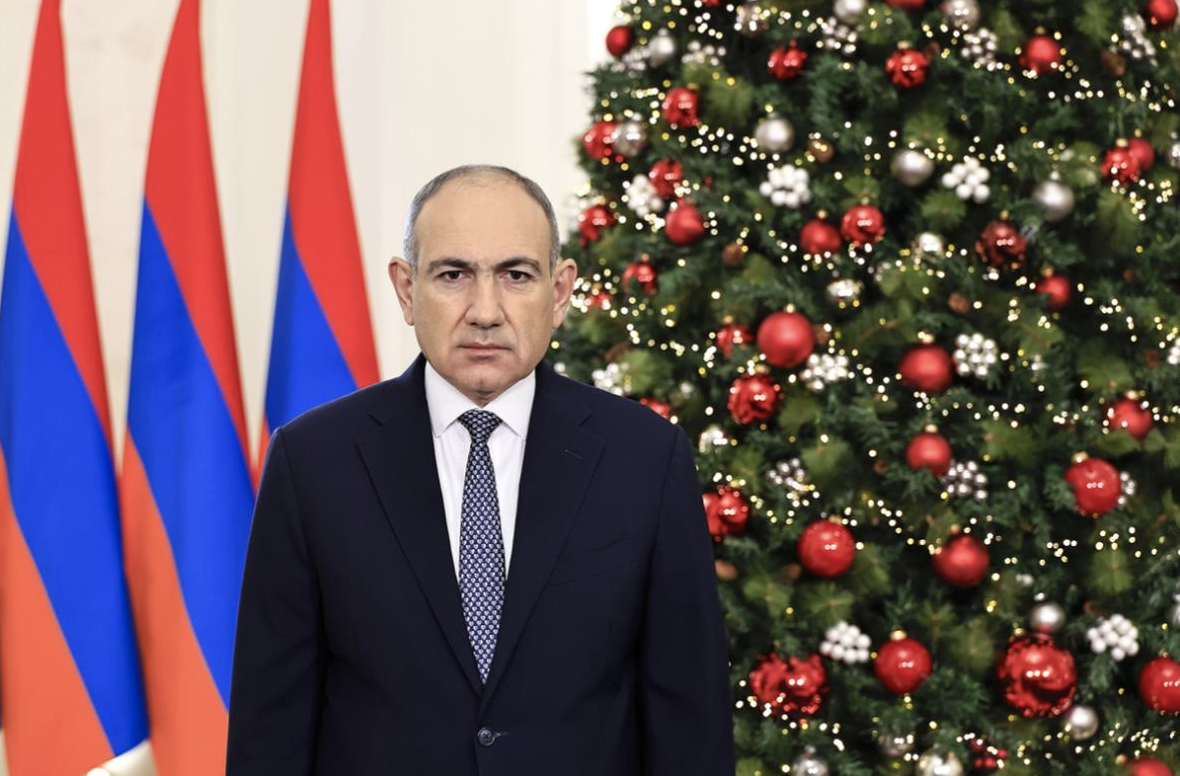
In this year’s New Year’s address, Prime Minister Nikol Pashinyan focused on developing a post-conflict society. He recognized in his address that 2025 saw no gunfire-related casualties along the Armenia-Azerbaijan border. Pashinyan emphasized the significance of this statement but clarified that he does not want the people of Armenia to dwell on the past. “Our goal was to change not the history of Armenia that has already happened, but the history that is to happen.” To this end, the Prime Minister described what he called the ideology of “Real Armenia,” which aims to turn the “Republic of Armenia into a real state that operates in the real world.” Pashinyan then credited the initialing of the peace agreement with Azerbaijan as the first step in Armenia’s new history being
written. It is only because of the peace between these two countries, he declared, that a new and prosperous Armenia can grow.
The address then shifted to focus on domestic issues and how Armenian society had grown. Pashinyan mentioned that since 2018 the Armenian economy has grown by more than 50%. In 2025, tax revenues in the state budget were 30% more than the entire state budget revenue in 2017. Going into 2026, Pashinyan announced that the program for the construction, reconstruction, and major renovation of 300 schools and 500 kindergartens will be completed, to be followed by more similar work on 300 schools, 100 kindergartens, 100 art schools, sport schools, and sport centers.
Azerbaijan
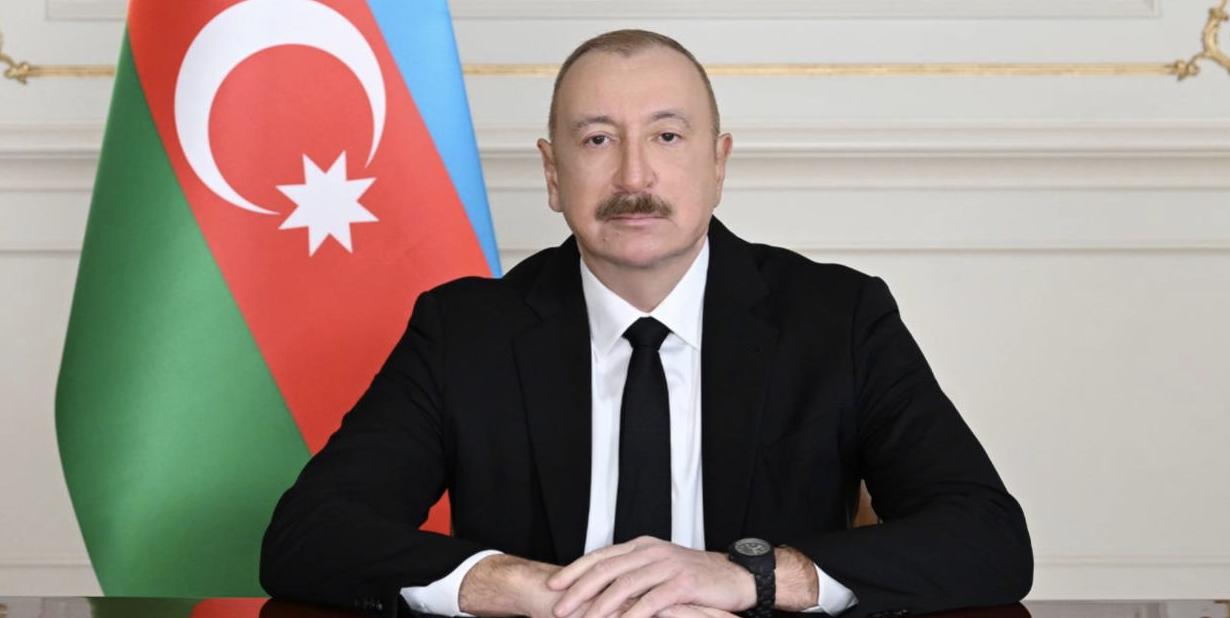
President Ilham Aliyev opened his address by noting the strength and accomplishments of the Armed Forces of Azerbaijan. He highlighted their integral role in retaking territory from Armenia five years ago and how the military forces continue to increase their defensive capabilities today. However, even after covering all the growth and improvement of the military forces, Aliyev assured the public that while “we are not preparing for a new war, …the principle of ‘might is right’ has been embraced by many countries. As a result, a large-scale arms buildup is underway worldwide.”
Aliyev, unlike Armenian Prime Minister Pashinyan, used stronger language when discussing the peace agreement initialed at the White House Peace Summit. Rather than describing the agreement simply as having being initialed, President Aliyev stated, “We have sealed this victory at the most authoritative stage in the world – the White House in the United States – with the participation of the U.S. President.” From this standpoint, Aliyev emphasized that Azerbaijan “extended a hand of peace” to Armenia.
The address then transitioned to Azerbaijan on the international stage. Aliyev recounted his nation’s recent enrollment into the D-8 Organization for Economic Cooperation as well as the C6 meeting format. By joining the C6 format, Aliyev pointed to the growing importance Azerbaijan will play as a transiting hub for Central Asian trade. To conclude his address, Aliyev covered several economic achievements from the past year. For example, Azerbaijan’s foreign exchange reserves reached a record of over $80 billion and its external debt decreased to about 6.3% of GDP.
Georgia
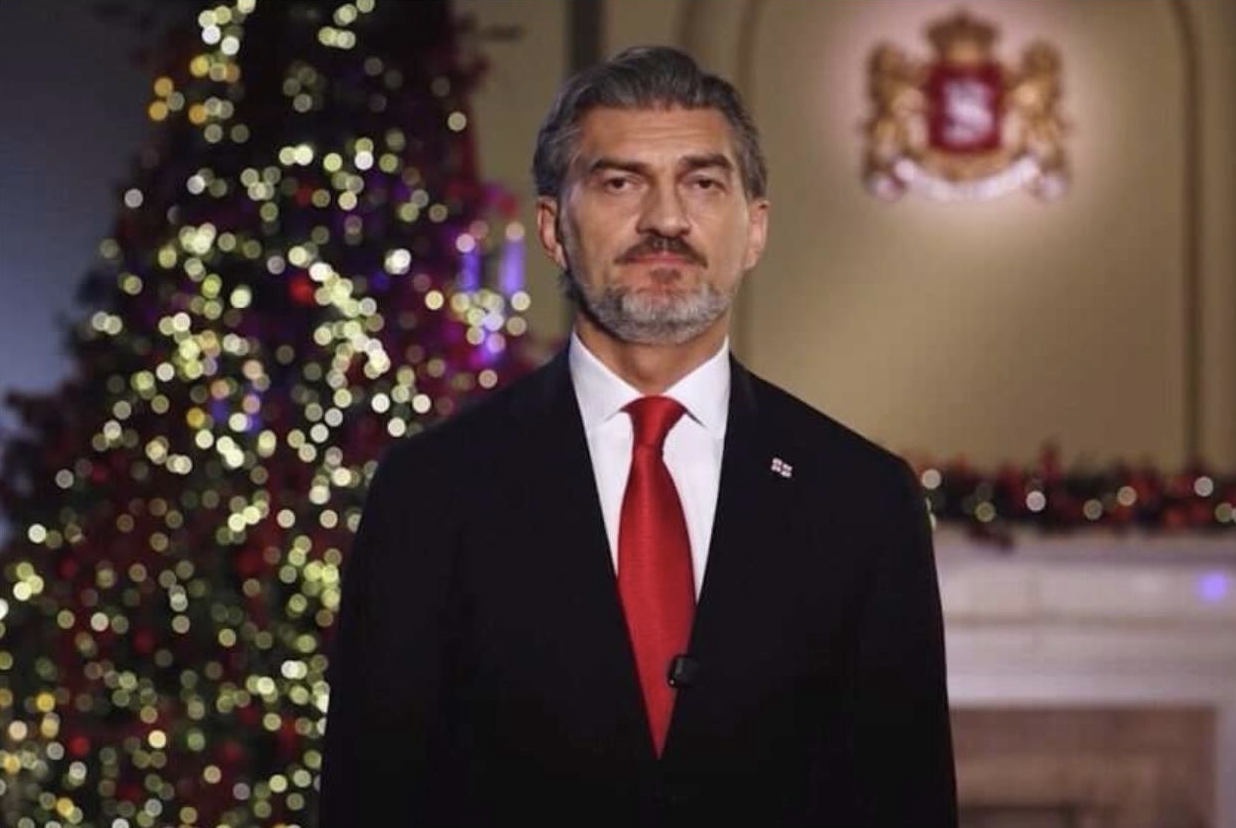 After President Mikheil Kavelashvili’s first full year in office, his New Year’s address was brief. He congratulated fellow Georgians for displaying “the unique character and fortitude characteristic” of Georgians. Kavelashvili also congratulated “Abkhazian and Ossetian brothers and sisters,” as well as citizens living abroad, on the coming New Year. Also, the President congratulated the Defense Forces of Georgia and law enforcement officers who serve to protect Georgian sovereignty and national interests.
Kazakhstan
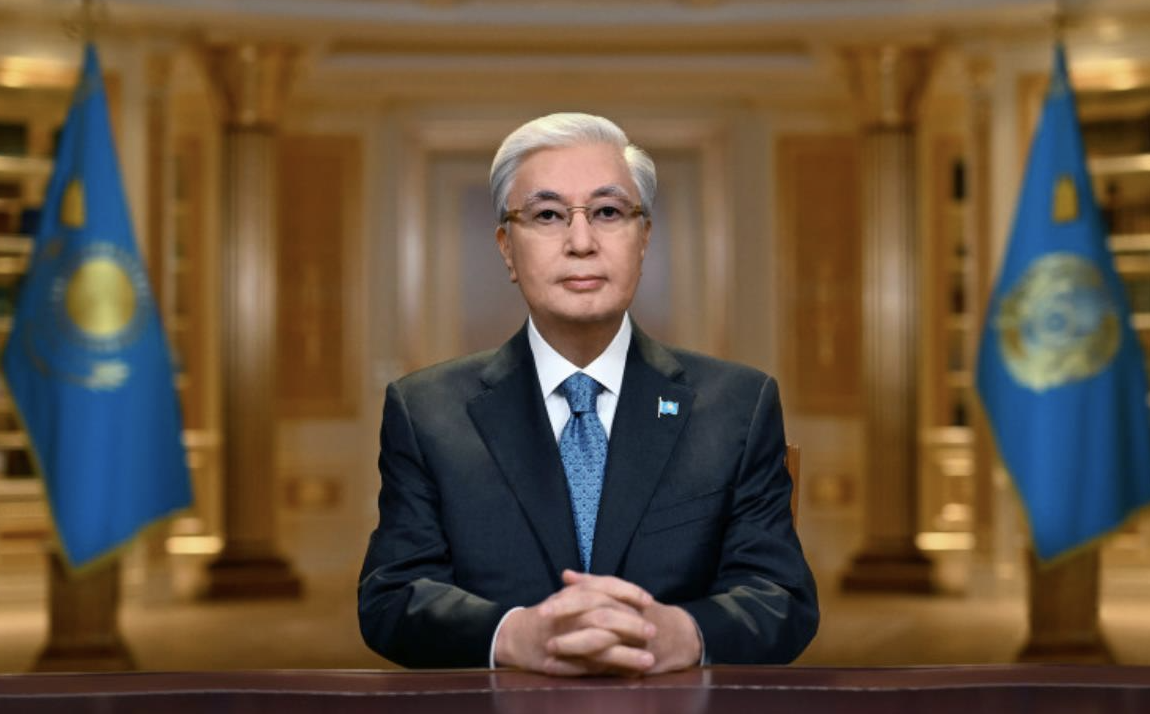 President Kassym-Jomart Tokayev framed 2025 as having been a year of consolidation, citing 6% GDP growth and foreign exchange reserves exceeding $62 billion as evidence that Kazakhstan had “entered the main path of development.” He emphasized advancements in national infrastructure, highlighting completion of the second Dostyk-Moyynty rail line—the largest railway project since independence, and the construction or rehabilitation of 13,000 kilometers of roads to strengthen transit potential.
On agriculture, Tokayev reported a second consecutive strong harvest supported by 1 trillion tenge ($1.96 billion) in state assistance to farmers, and the commissioning of more than 19 million square meters of housing in 2025. Social investment was framed as both outcome and priority, with over 100 schools, roughly 200 healthcare facilities, and branches of foreign universities opened nationwide. Governance was anchored in the principle of “Law and Order,” alongside continued recognition of labor following the Year of Working Professions.
Looking ahead, Tokayev identified constitutional reform as a key milestone for 2026 and outlined priorities spanning energy, water management, transport and logistics, housing and utilities, and small- and medium-sized enterprises. He declared 2026 the Year of Digitalization and Artificial Intelligence, positioning technology as a cross-cutting driver of competitiveness. Tokayev also reaffirmed commitment to social developments. These include a third round of transfers under the “National Fund for Children” presidential initiative, through which funds will again be credited to individual accounts for every child, as well as continued implementation of the nationwide “Clean Kazakhstan” environmental project. Both were framed as priority initiatives ahead of the country’s 35th anniversary of independence. He also stressed the principle of “unity in diversity” as a foundation of social cohesion and harmony.
Symbolically, Tokayev referenced 2026 as the “Year of the Horse,” an animal central to Kazakh culture and associated with favorable change, linking renewal and momentum to national ambition. Internationally, he underscored Kazakhstan’s balanced foreign policy and noted that, at its initiative, the UN designated 2026 as the “International Year of Volunteers.”
Kyrgyzstan
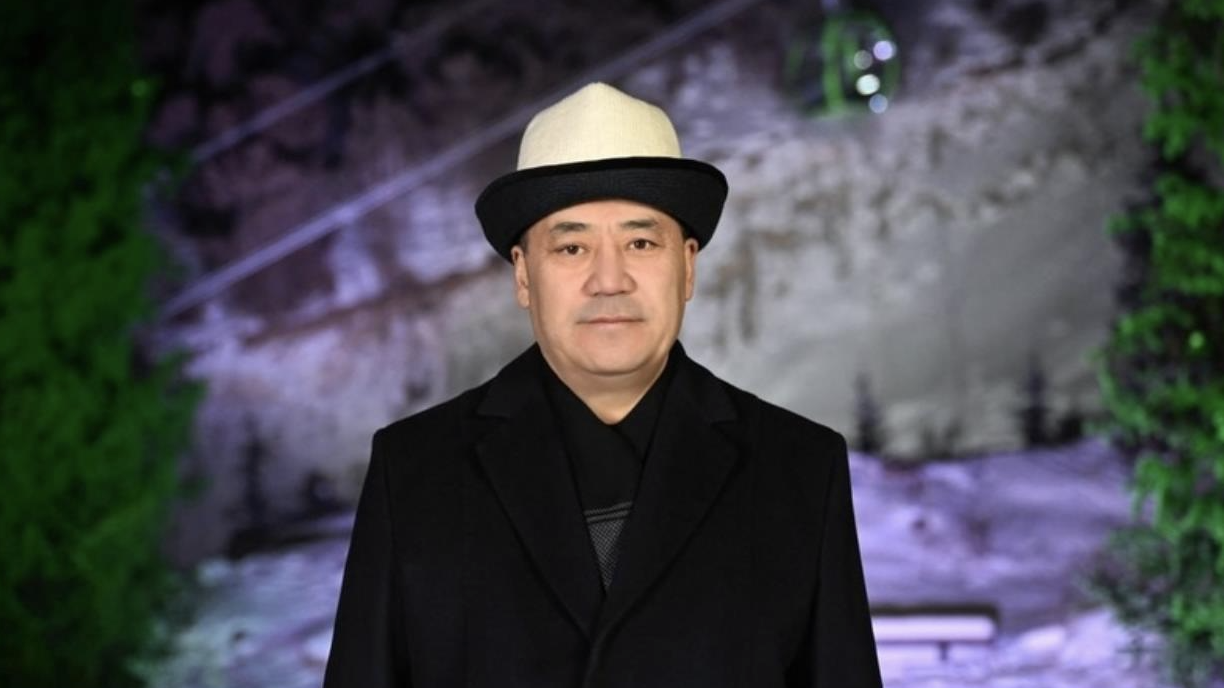
President Sadyr Japarov opened his address with an emphasis on territorial consolidation, presenting the completion of most border delimitation and demarcation work as the defining achievement of 2025 and a “solid guarantee” of sovereignty and security. He argued that Kyrgyzstan has moved from seeking investors to selectively choosing those whose terms best serve national interests, citing interest in flagship projects such as the China–Kyrgyzstan–Uzbekistan railway, the Kambar-Ata-1 hydropower plant, and the Ala-Too Resort tourism complex.
Economic performance and financial modernization were prominently featured. Japarov stated that Kyrgyzstan ranked among the world’s top three countries in real GDP growth in 2025 and highlighted the listing of the KGST national stablecoin on Binance, pegged one-to-one to the som, as evidence of Kyrgyzstan’s advanced legal, institutional, and regulatory capacity in the virtual assets sector.
Politically, Japarov described early parliamentary elections as peaceful and stabilizing. He also pointed to Kyrgyzstan’s growing international profile, including hosting a Commonwealth Security Treaty Oorganization meeting and establishing new diplomatic ties. Looking ahead, he reaffirmed full implementation of the National Development Program through 2030, framing the project of a “New Kyrgyzstan” around unity, interethnic harmony, and continuity with historical values.
Tajikistan
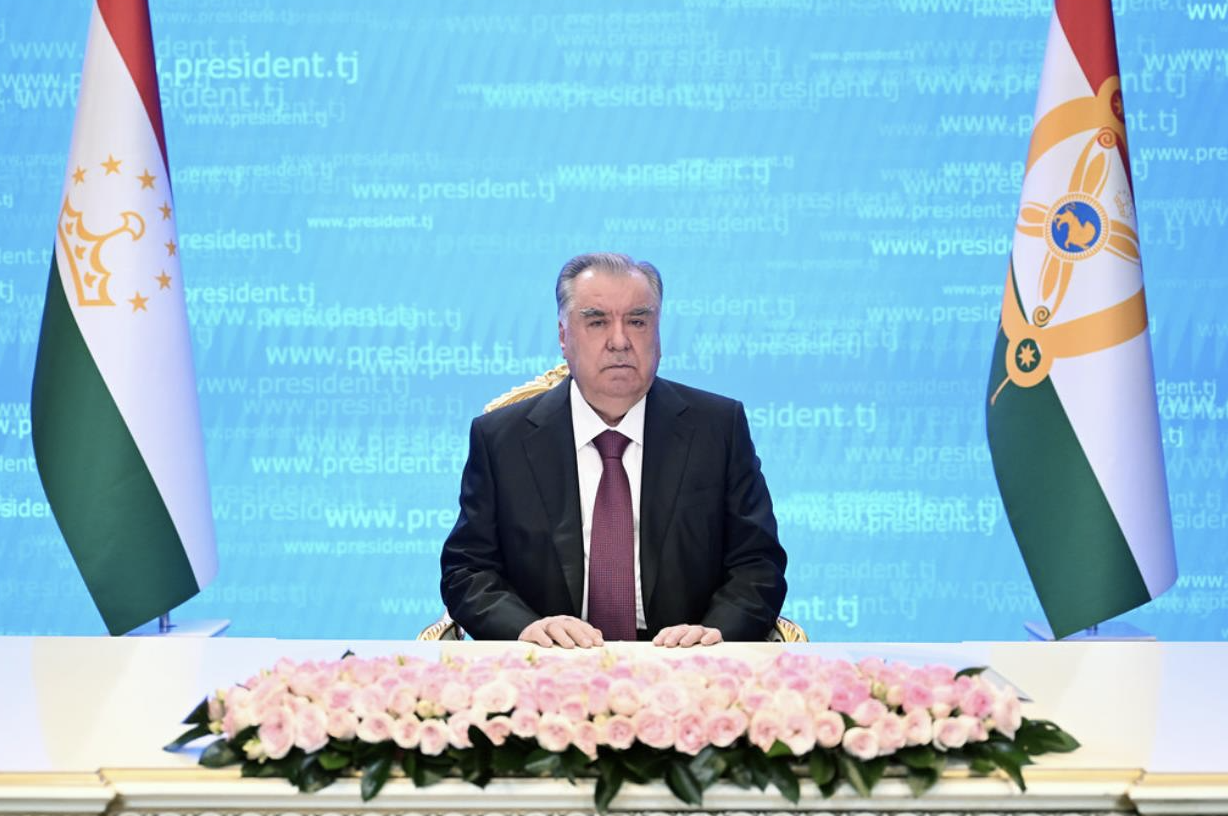
President Emomali Rahmon characterized 2025 as a “historic” year enabled by political stability and national unity. He highlighted parliamentary and local elections as a central political event, arguing they reinforced Tajikistan’s standing as a democratic, legal, and secular state. Economic progress was framed through mass construction projects, with citizens and entrepreneurs given credit for having built thousands of industrial, transport, educational, and healthcare facilities.
A defining feature of Rahmon’s address was its focus on national identity. He underscored the nationwide distribution of Ferdowsi’s Shahnameh to every household, presenting it as a tool to strengthen patriotism and self-awareness amid globalization, which he described as a threat to national values. In this context, he declared 2026 the “Year of Expansion of Development and Construction Works and of Strengthening the National Self-Awareness and Self-Knowledge.”
On foreign policy, Rahmon emphasized Tajikistan’s growing UN profile, citing the General Assembly’s adoption of multiple initiatives proposed by Tajikistan. Looking ahead, he framed 2026—the 35th anniversary of independence—as a year requiring industrial expansion, job creation, and vigilance in defending national sovereignty.
Turkmenistan
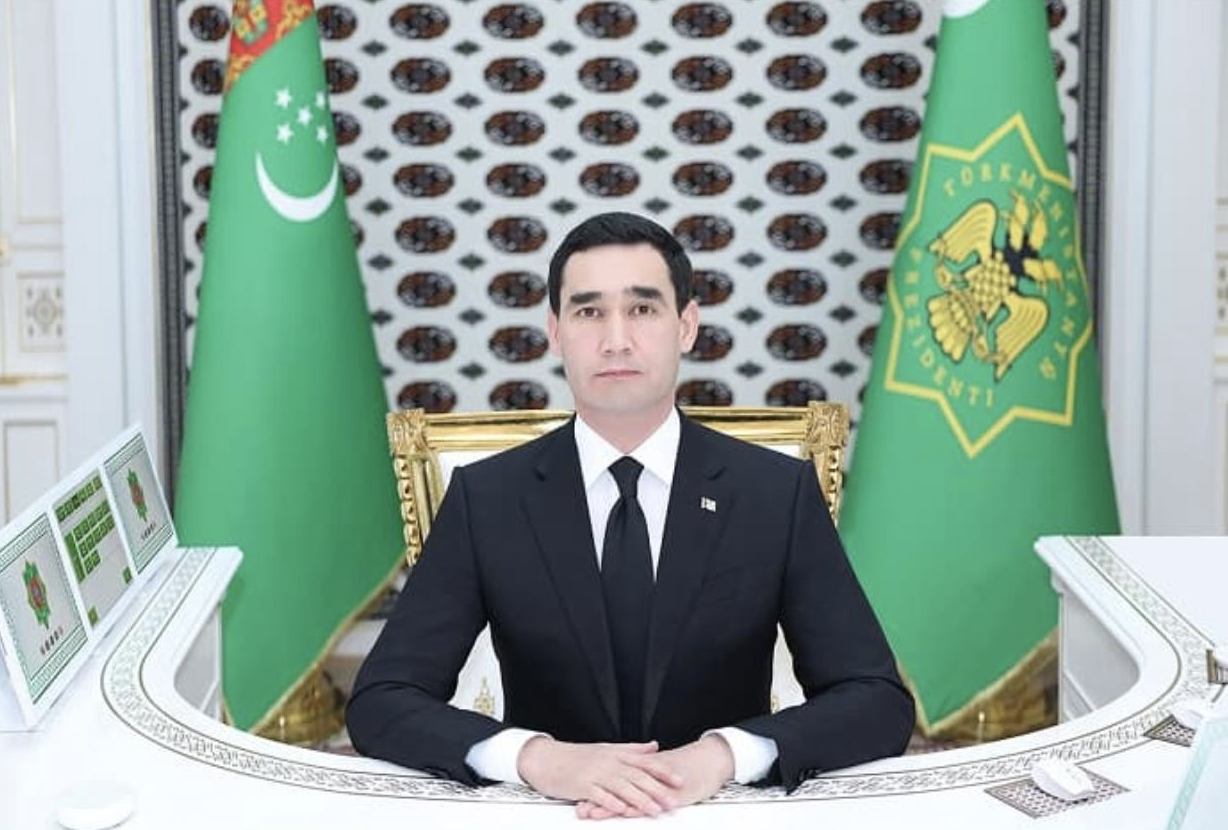
President Serdar Berdimuhamedov framed 2025—the UN-designated “International Year of Peace and Trust” at the initiative of Turkmenistan—as a year of continuity, large-scale development, and diplomatic validation of Turkmenistan’s neutrality. Domestically, he highlighted extensive delivery of housing and social infrastructure, alongside major energy and transport projects, including the oil-loading terminal at the Turkmenbashi refinery and the launch of the Serhetabat–Herat, Afghanistan, section of the TAPI gas pipeline.
Additional projects he cited included fertilizer and urea plants, highways and bridges, water-treatment facilities, new modern villages, and the continued expansion of Arkadag city. Berdimuhamedov emphasized achievements in agriculture, including the delivery of 1.4 million tons of wheat to the state, as a sign of prosperity and abundance.
Culturally, Berdimuhamedov emphasized UNESCO recognition, including Ashgabat’s inclusion in the Global Network of Learning Cities and the inscription of the Turkmen Alabay heritage. Internationally, he highlighted UN resolutions on permanent neutrality, sustainable transport, and energy connectivity, as well as the adoption of the Ashgabat Declaration. He declared 2026 the Year of “Independent, Neutral Turkmenistan – the Homeland of Purposeful Winged Horses,” linking the Year of the Horse and the 35th anniversary of independence to endurance and national aspiration.
Uzbekistan
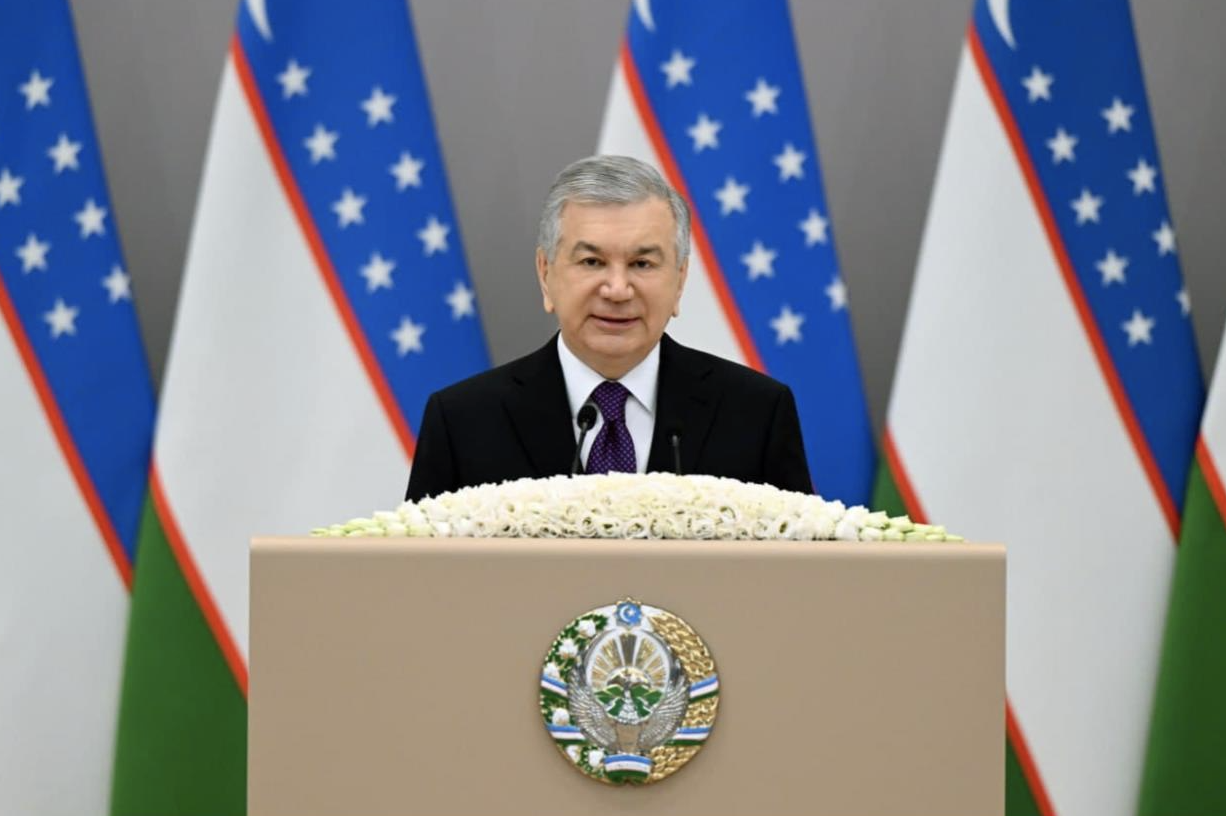
President Shavkat Mirziyoyev described 2025 as a year of transformation, reporting that GDP had exceeded $145 billion for the first time, firmly establishing Uzbekistan as a middle-income country. He explicitly linked growth to improvements in household incomes, housing, entrepreneurship, and youth confidence.
Miziyoyev emphasized local neighborhoods and communities (mahallas) as a central focus for upcoming reforms. He declared 2026 the Year of Mahalla Development and Social Prosperity, pledging infrastructure upgrades in thousands of mahallas and positioning local governance as central to the next reform phase. Across the economy, he committed to transitioning all sectors toward technological and innovation-driven growth, alongside continued efforts to raise incomes and purchasing power.
Social-policy priorities included expanded support for vulnerable groups, veterans, women, and youth, alongside continued investment in education, future-oriented skills, and sports. Environmental measures—green energy, ecology, and water management—were also emphasized. Mirziyoyev concluded by framing all 2026 reforms as directed toward creating the most favorable conditions for life and business.