Headlines from the Caspian: August 31, 2026
Recent Articles
Author: Caspian Policy Center
08/31/2026
 business.com.tm
Energy and Economy
Turkmen Gas Sales to Afghanistan to Begin in Herat Through TAPI
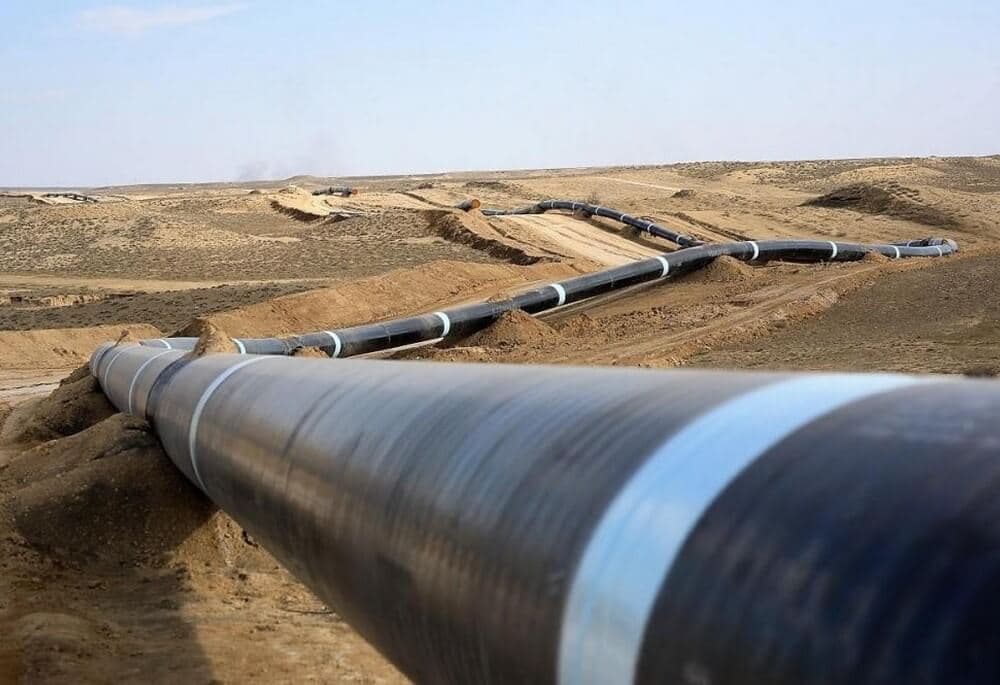
The governor of Herat, Afghanistan, stated that its local section of the Turkmenistan-Afghanistan-Pakistan-India (TAPI) Pipeline would be operational in two months, potentially allowing for the sale of Turkmen gas to the city. The statement builds off a bilateral memorandum signed on August 10, which establishes the precedent for gas purchases, though it is unclear when sales will begin. The agreement between Turkmenistan and Afghanistan also indicates that the proper infrastructure would be needed to improve Herat’s gas distribution system for facilities and households.
Source: Times of Central Asia, gov.tm
Russia’s Fuel Shortages Begin Affecting Central Asian Energy Security
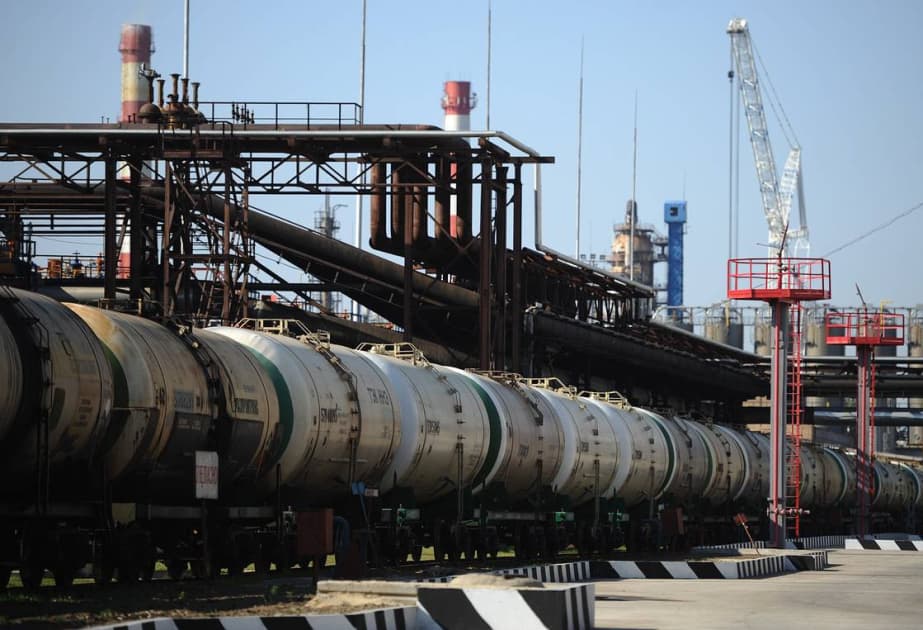
Russia’s worsening gasoline shortage is creating additional pressure on Central Asian fuel markets. Ukrainian strikes on Russian refineries have reduced domestic refining capacity, prompting Moscow to restrict fuel exports and seek supplies from abroad. Central Asian states, particularly Kyrgyzstan and Tajikistan, have been forced to seek alternative suppliers after relying heavily on Russian petroleum products. The disruptions demonstrate how Russia’s war in Ukraine is producing increasingly direct economic consequences for Central Asia and may accelerate regional efforts to diversify energy supply chains.
Source: Reuters
Kazakhstan Looks to Alternative Oil Export Routes as CPC Vulnerabilities Persist
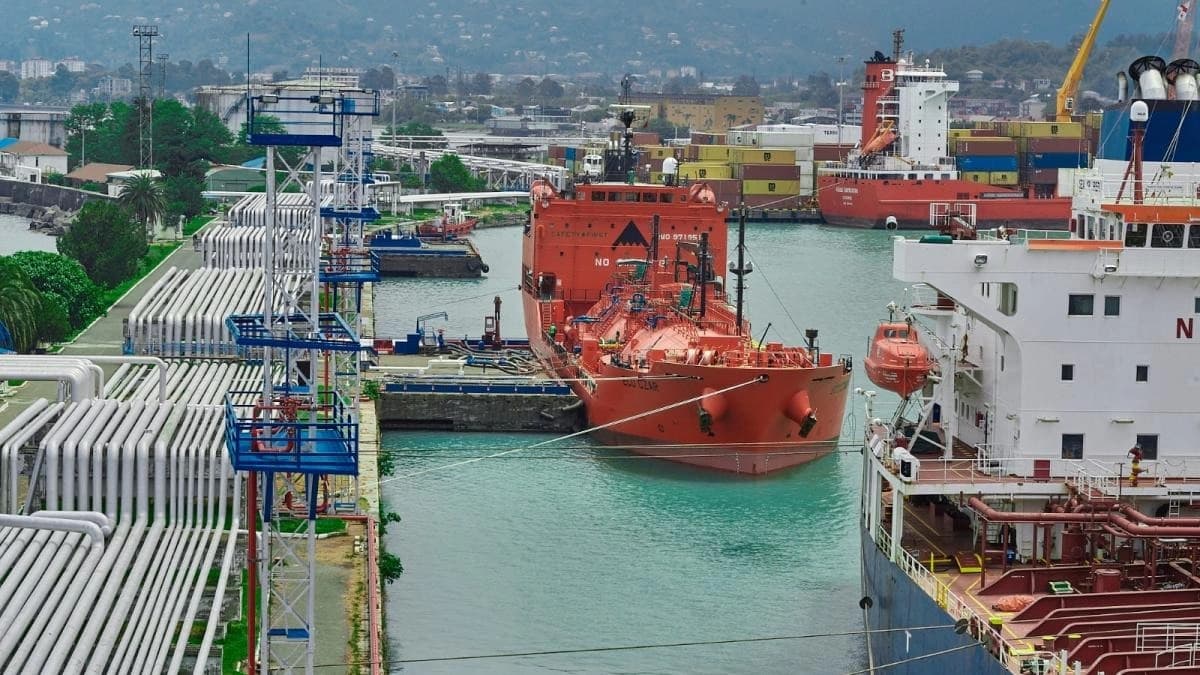
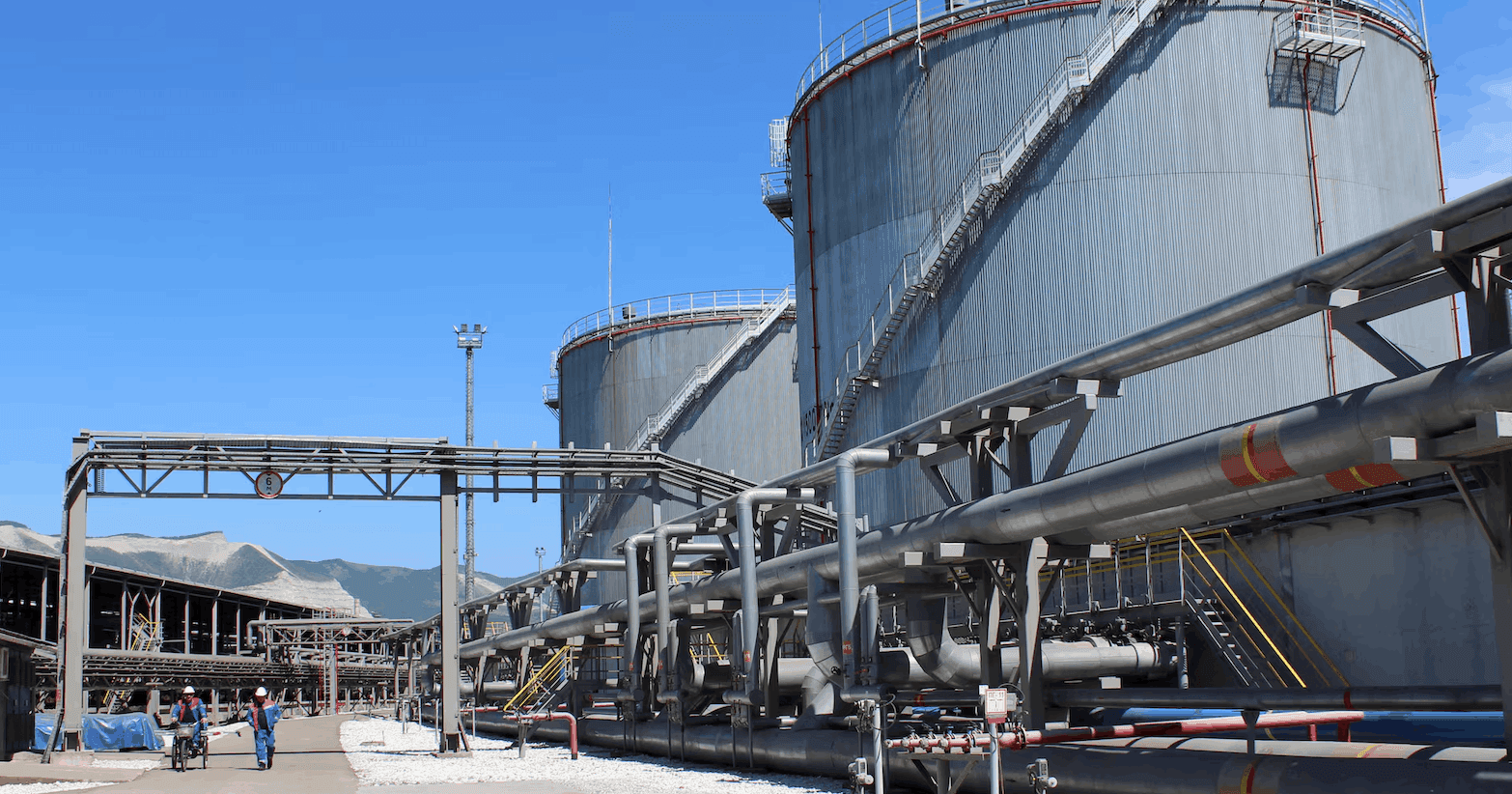
Kazakhstan is continuing to examine alternative routes for exporting oil as disruptions affecting the Caspian Pipeline Consortium (CPC) highlight the country’s dependence on infrastructure running through Russian territory. Kazakhstan has increased shipments across the Caspian to Azerbaijan and onward to Georgia, while alternative routes such as Baku-Supsa could provide additional flexibility. Although these routes cannot currently absorb volumes comparable to the CPC, the disruptions are reinforcing Astana’s long-term effort to diversify its export infrastructure and reduce exposure to a single transit route.
Source: The Times of Central Asia
Armenian and Azerbaijani Officials Discuss Electricity Trade in Lachin
Officials from both countries met on August 25 to discuss the construction of cross-border grid infrastructure to facilitate electricity imports and exports. Delegates for the working group included Armenia’s Ministry of Territorial Administration and Infrastructure, Azerbaijan’s Ministry of Energy, and energy companies from both states. The meeting builds off earlier talks between Armenia’s Prime Minister Nikol Pashinyan and Azerbaijan’s President Ilham Aliyev, during which both parties discussed the construction of power transmission lines.
Sources: OC Media, Armenpress
Mirziyoyev and Indian President Discuss Economic Cooperation in Bishkek
Uzbek President Shavkat Mirziyoyev and India’s President Narendra Modi met on the sidelines of the Shanghai Cooperation Organization Summit in Bishkek, Kyrgyzstan. The two leaders set a goal of $5B in trade turnover for 2030, and a memorandum on critical minerals cooperation was signed. Officials in Delhi also stated that the two countries are planning to renew a 2019 uranium supply contract, under which Uzbekistan supplied India with 1,100 tons of uranium every year.
Source: Euronews
Uzbekistan and Azerbaijan Turn Strategic Partnership into Economic Projects
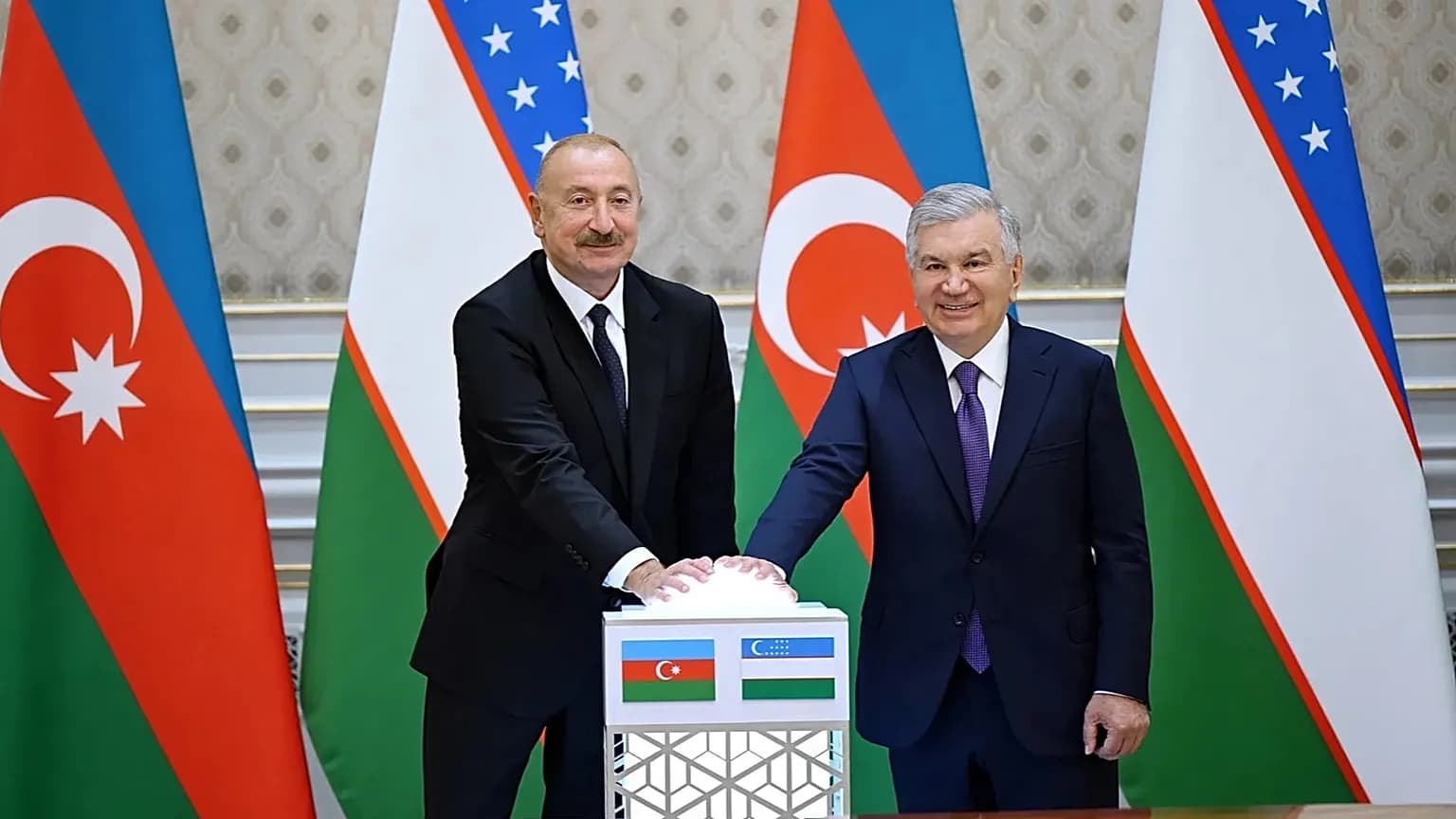
Azerbaijan and Uzbekistan continued to translate their rapidly expanding political relationship into concrete economic cooperation following President Ilham Aliyev’s August 23–24 state visit to Uzbekistan. The two countries launched projects involving banking, construction materials, education, fuel infrastructure, tourism, mining and agriculture, while the leaders agreed on a roadmap for implementing their new agreements. Their strategic partnership also includes expanded cooperation on the Middle Corridor, energy and investment. The developments reinforce the increasingly visible role of Azerbaijan in Central Asian economic and connectivity initiatives.
Source: President of Azerbaijan
Turkmenistan’s Electricity Supply Interrupted in Seven Afghan Provinces
Afghanistan’s national power utility reported that electricity supplies from Turkmenistan were cut off in seven provinces on August 31. The cause is allegedly a technical issue on the Turkmen side. Afghanistan receives 80% of its electricity from foreign suppliers, and the country has turned to Uzbekistan for power while the issue is resolved. Afghanistan and Uzbekistan signed agreements worth $243 million to increase Afghanistan’s capacity to receive electricity from its northern neighbor in 2025.
Source: The Kabul Tribune
Turkmenistan Begins Plugging Methane Leaks
Turkmenistan has plugged eight methane leaks by repairing its antiquated oil and gas infrastructure. Methane is responsible for 25% of global warming today, and Turkmenistan was the worst country for mega-leaks in 2023. Although the fixes are an important step to resolving the issue, the UN Methane Alert and Response System, which uses satellite data to detect leaks, sent 192 notifications of methane plumes in the country in the last twelve months. Greater transparency and action on Turkmenistan’s part are needed to create a lasting solution for the hydrocarbon giant.
Source: The Guardian
Politics and Security
SCO Summit in Kyrgyzstan
21 world leaders are slated to attend the Shanghai Cooperation Organization Summit in Bishkek, Kyrgyzstan, which will take place on August 31 and September 1. Recognizing the 25th anniversary of the SCO, this year's summit will seek to strengthen regional security and economic ties between China and Central Asia. Within the framework of the summit, Kyrgyzstan and China declared "eternal good-neighborliness, friendship and cooperation", and outlined plans for a future strategic partnership.
Source: 24.kg, South China Post, Anadolu Ajansi
Former Armenian President Robert Kocharyan Detained in Corruption Investigation
Former Armenian President Robert Kocharyan and his son Sedrak were detained this week as part of a corruption investigation involving alleged abuse of authority, bribery and money laundering. Kocharyan’s political allies have denounced the investigation as politically motivated, while the government maintains that it is pursuing a broader campaign to recover allegedly illicitly acquired assets. The case adds another layer of political tension as Pashinyan’s government moves toward its new program and seeks to consolidate its political mandate.
Source: Associated Press
U.S. Delegation Visits Uzbekistan as Washington’s Economic Engagement Expands
A U.S. House of Representatives delegation visited Uzbekistan this week as Washington’s economic engagement with Central Asia continues to expand. The visit comes amid growing U.S. interest in Uzbekistan’s investment opportunities, critical minerals, trade and regional connectivity. Washington’s engagement is increasingly focused not only on security but also on helping Central Asian states diversify economic relationships and develop alternatives to excessive dependence on any single external power. The U.S. delegation included Congressmen Jason Smith, Greg Murphy, Ronny Jackson, and Edward Case.
Source: President of Uzbekistan
President Tokayev Appoints Former State Counsellor as New Vice President
Kazakhstan’s President Kassym-Jomart Tokayev announced his long-time advisor Erlan Karin as vice president, following approval from the country’s parliament. Kazakhstan’s new constitution, which was passed in March 2026, states that vice president is the president’s official successor and representative in parliament. This also follows a referendum that was passed earlier this month, which saw the establishment of a unicameral parliamentary system.
Source: Al Jazeera
Azerbaijan and Uzbekistan Give New Momentum to the “C6” Concept
The August 23–24 Azerbaijan-Uzbekistan summit gave further substance to the emerging concept of a “C6” framework encompassing the five Central Asian states plus Azerbaijan. The two presidents signed a Treaty on Eternal Friendship and launched a broad package of economic projects. Transport cooperation includes expanding Trans-Caspian freight and developing logistics infrastructure, while energy and investment cooperation is also expanding. Azerbaijan’s increasingly close ties with Central Asia are strengthening the political foundation for a wider regional grouping centered on the Caspian and Middle Corridor.
Source: President of Azerbaijan
Kazakhstan’s New Kurultai Begins Work
Kazakhstan’s newly established unicameral Kurultai held its first session this week, formally beginning the work of the country’s new legislative body. The Kurultai replaced the former bicameral Parliament following constitutional changes approved earlier this year. The pro-government Adilet Party won a commanding majority in the August 23 elections, giving President Kassym-Jomart Tokayev substantial political room to implement the new constitutional framework. The transition represents another major step in Tokayev’s effort to consolidate the institutional changes associated with his “New Kazakhstan” agenda.
Source: Kazakhstan Central Election Commission, Trend, AnewZ
6th World Nomad Games Kick Off in Kyrgyzstan
Kyrgyzstan is hosting the 6th World Nomad Games from August 31 – September 6. Twenty-one heads of state are expected to visit Kyrgyzstan this week as 3,000 athletes from 113 countries compete in 43 nomadic sporting events. After opening in Bishkek Monday, the Games will move to Issyk-Kul, where a new, 10,000-seat stadium has been built for kok boru and kokpar. Since Kyrgyzstan held the first Games 12 years ago, they have given the country’s cultural diplomacy global reach.
Source: Times of Central Asia, Times of Central Asia
Aliyev and Pashinyan Hold Bilateral Meeting in Bishkek
President Aliyev of Azerbaijan and Prime Minister Pashinyan of Armenia held a meeting on the sideline during the Shanghai Cooperation Organization Summit, which took place in Bishkek, Kyrgyzstan, on August 31. The leaders discussed increasing trade and improving relations between Azerbaijan and Armenia, as well as border delimitation and implementation of TRIPP. During the meeting, the two highlighted the importance of oil exports from Azerbaijan to Armenia, which restarted in December of 2025.
Source: Trend, Kursiv, Euronews
President Tokaev Calls for Meeting of Nuclear Powers on 35th Anniversary of Semipalatinsk Closure
On August 29, the 35th anniversary of the closure of the Semipalatinsk nuclear testing grounds, Kazakh President Kassym-Jomart Tokaev appealed to nuclear powers to negotiate to bring the Comprehensive Nuclear-Test-Ban Treaty into force. 456 nuclear tests occurred at the test site from 1949 to 1989, wreaking havoc on the environment and health of local populations. Kazakhstan willingly gave up its nuclear weapons after independence and has become a leader in nuclear diplomacy and non-proliferation. The country is the world’s largest supplier of uranium and is pursuing several nuclear power plant projects.
Source: Times of Central Asia
Armenia Intends to Formally Apply for EU
Prime Minister Pashinyan announced Armenia's intent to pursue EU membership via national referendum "in the near future" on Monday, August 25. Pashinyan's previous announcement of an EU membership bid in July was met immediately with Russian sanctions and threats. Pashinyan will meet with President Putin of Russia on the sidelines of the SCO Summit in Bishkek to discuss Armenia's desire to leave the CSTO and the EEU.
Source: Euronews
Pashinyan Places TRIPP Implementation at Center of Armenia’s Government Program
Armenian Prime Minister Nikol Pashinyan identified implementation of the Trump Route for International Peace and Prosperity (TRIPP) as a priority of his government’s 2026–2031 program. Pashinyan emphasized that the route will operate on Armenian territory and under Armenian sovereignty, territorial integrity and jurisdiction. The project is intended to establish a new east-west transportation connection through Armenia linking Azerbaijan and Nakhchivan and potentially connecting Central Asia with Türkiye and European markets. Its implementation could significantly alter the geography of the Middle Corridor.
Source: Armenpress
Armenia Signals Further Movement Away from Russian Security Structures
Pashinyan also reiterated Armenia’s increasingly independent foreign-policy direction, including his statement that he would be comfortable if the Collective Security Treaty Organization expelled Armenia. He called for Russia to transfer its concession over Armenia’s railway to a third country and highlighted closer relations with the European Union. The developments underscore the continuing deterioration of Armenia-Russia relations while Yerevan simultaneously pursues the Washington-backed TRIPP framework and a broader “Crossroads of Peace” strategy.
Source: Armenpress