Europe - Caspian Briefing, Aug 25, 2026
Recent Articles
Author: Caspian Policy Center
08/25/2026
Energy and Economy
Azerbaijan, Georgia, Türkiye and Bulgaria Discuss New Electricity Corridor to Europe
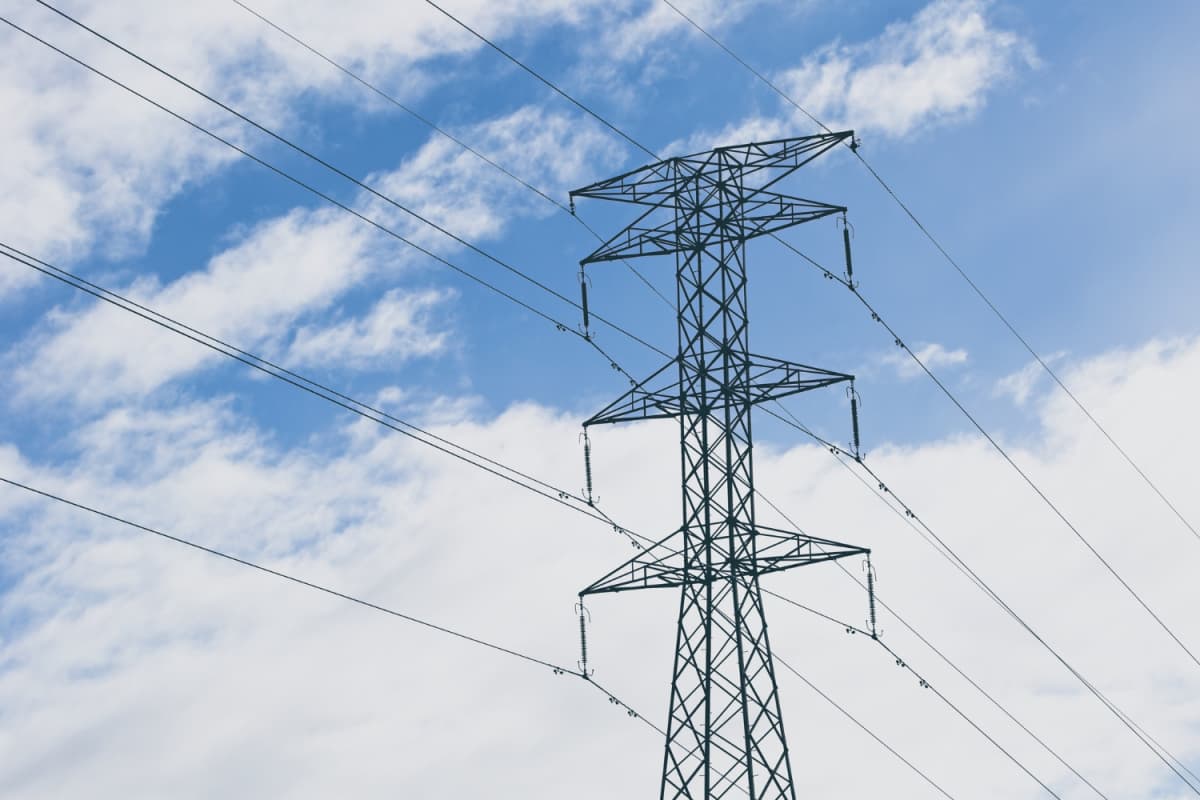
Azerbaijan, Georgia, Türkiye and Bulgaria are holding negotiations on the creation of a new overland electricity transit corridor connecting the South Caucasus with European markets, according to Georgian Deputy Economy Minister Inga Pkhaladze. Pkhaladze said the route would allow electricity from participating countries to transit Georgia through Türkiye and Bulgaria into Europe, while also enabling Georgia to export its own electricity. The project would complement the planned Black Sea submarine electricity cable linking Azerbaijan, Georgia, Romania and Hungary, which is designed to carry up to 4,000 MW. Together, the projects could strengthen Georgia's role as a regional energy transit hub and expand electricity connectivity between the Caspian region and Europe.
Austria and Türkiye Seek Greater Cooperation on Middle Corridor
Austria and Türkiye are seeking to expand cooperation on the Middle Corridor as freight traffic between Europe and Asia increasingly shifts towards routes bypassing Russia. During Austrian Chancellor Christian Stocker's visit to Ankara on 10 August, Turkish President Recep Tayyip Erdoğan identified transport as a key area for bilateral cooperation and said the two countries could jointly pursue strategic projects to strengthen the Middle Corridor. Following Stocker’s visit, Austrian Transport Minister Peter Hanke and his Turkish counterpart Abdulkadir Uraloğlu met to discuss rail freight, infrastructure and digitalisation. Austria's ÖBB Rail Cargo Group operated 32 block trains via the corridor in 2025, up from just one in 2024, and expects volumes to increase further this year. Vienna sees Austria's central European location and rail links with southeastern Europe as positioning it to handle growing Middle Corridor freight flows.
Source: Türkiye Today, Austrian Federal Ministry for Innovation, Mobility and Infrastructure, RailFreight.com
Uzbekistan Plans Logistics Hub at Georgia's Poti Port
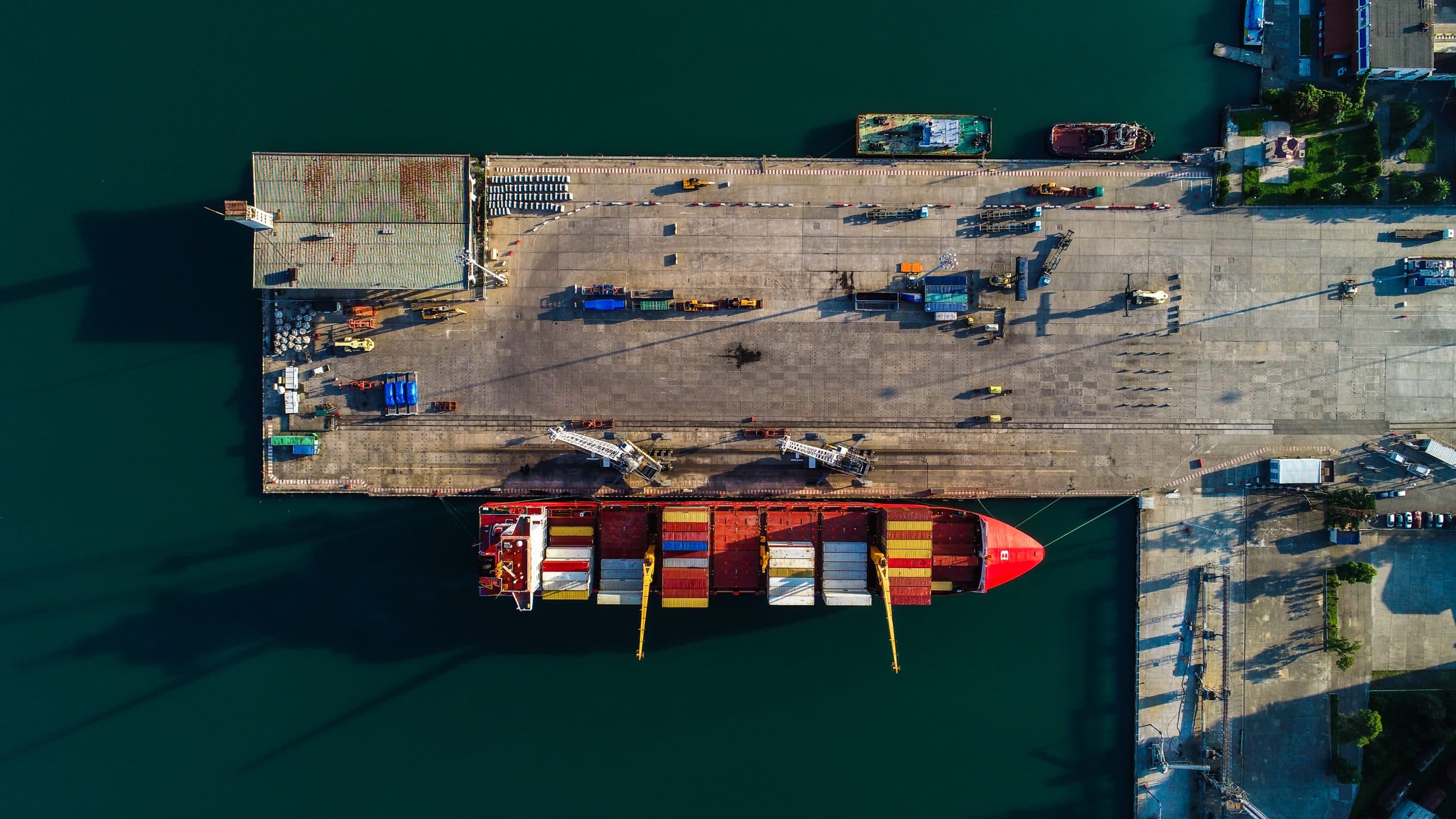
Uzbekistan plans to establish a logistics centre at Georgia's Black Sea port of Poti by 2027, with capacity to handle up to 500,000 tonnes of cargo annually. Presidential press secretary Sherzod Asadov announced the project during a meeting between president Shavkat Mirziyoyev and Uzbek entrepreneurs, adding that practical work involving Georgia’s planned Anaklia deepsea port is expected to begin around the same time. The project forms part of Tashkent's effort to expand westward transport links and increase access to the Middle Corridor, with Uzbek officials also examining potential participation in Georgia's Anaklia deep-sea port. Uzbekistan is additionally seeking to connect the China-Kyrgyzstan-Uzbekistan railway with the Baku-Tbilisi-Kars railway, potentially creating another route for Central Asian goods to reach European markets.
Trans-Caspian Fibre-Optic Cable Set for Q4 Launch
The Trans-Caspian fibre-optic cable connecting Kazakhstan and Azerbaijan is expected to become operational in the fourth quarter of 2026, according to Kazakhstan's Ministry of Artificial Intelligence and Digital Development. Installation of the cable across the Caspian seabed has been completed, with equipment configuration, testing and commissioning now underway. The new connection will create an additional international digital route between Kazakhstan and Azerbaijan and contribute to telecommunications infrastructure linking Europe and Asia, with the possibility of eventually connecting other Central Asian countries also under consideration.
Source: Report.az
Bulgaria Plans Expanded Role in Middle Corridor
Bulgaria has identified greater participation in the Middle Corridor and development of the Black Sea Transport Corridor as priorities in its 2026-2030 government programme. Sofia plans to strengthen transport links with Türkiye and Romania, modernise Black Sea port and road infrastructure and position Bulgaria as a more important gateway between Europe and Asia. The Bulgarian government argues that the Middle Corridor's importance has increased amid geopolitical disruption and security risks affecting other Eurasian and maritime trade routes, including the Red Sea and Strait of Hormuz.
Source: Mezha, Government of Bulgaria – 2026-2030 Programme
Russia Reroutes Kazakh Oil Exports to Black Sea
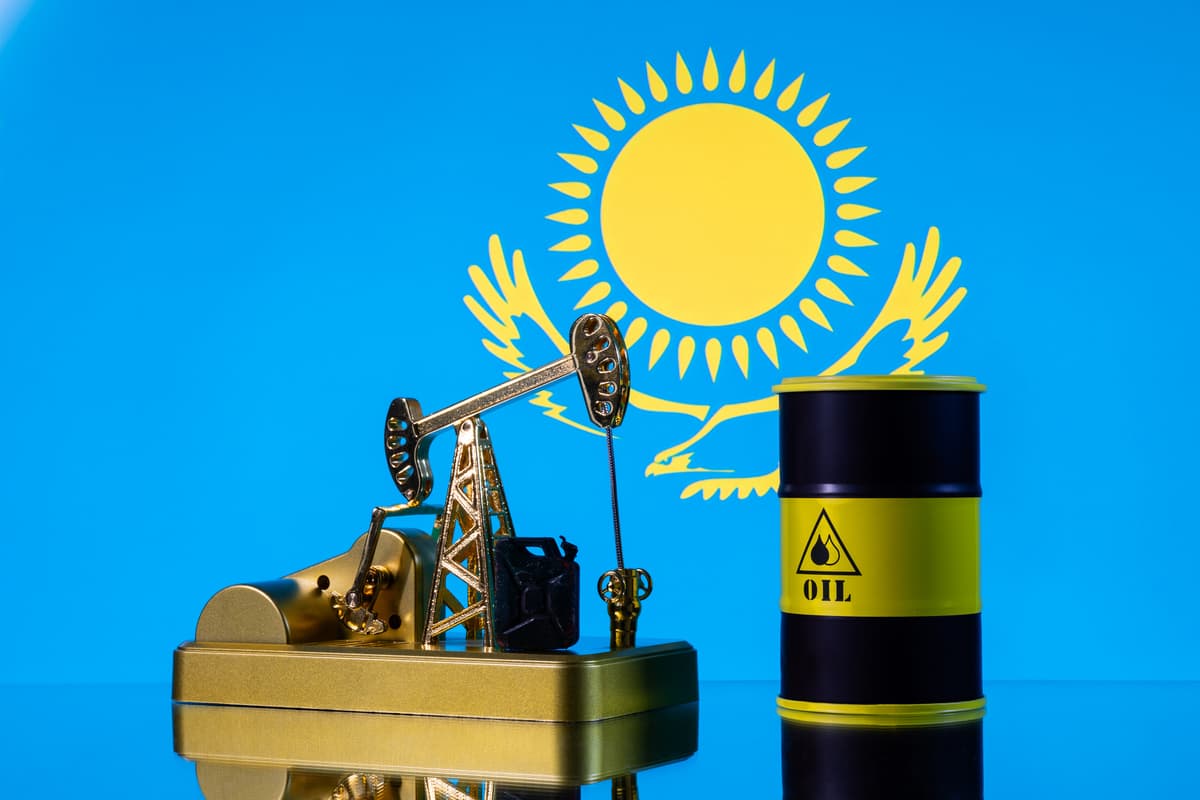
Russia is redirecting Kazakhstan's crude exports from the Baltic port of Ust-Luga to Novorossiysk on the Black Sea, freeing Baltic capacity for additional Russian oil exports, Reuters reported on 18 August. Moscow reportedly wants Kazakh transit volumes routed through the Black Sea from late August until at least the end of September, despite heightened security risks from Ukrainian drone attacks. Around 100,000 barrels per day of capacity at Ust-Luga could consequently become available for Russian crude. Kazakh producers reportedly support the arrangement because Black Sea shipments are currently more profitable, while Kazakh crude is viewed by shipowners as carrying lower security risks than Russian cargoes.
Source: Reuters, Baird Maritime
Politics and Security
Armenia to Begin Process of Applying for EU Membership
Armenian Prime Minister Nikol Pashinyan said on 24 August that his government will soon begin the process of submitting a formal application for EU membership, marking a further step in Yerevan's deepening ties with Brussels. Pashinyan said Armenia will eventually hold a nationwide referendum on whether to pursue EU membership or remain in the Russia-led Eurasian Economic Union (EAEU), although the timing has yet to be determined. Armenia's parliament adopted legislation launching the EU accession process in March 2025, but Pashinyan said a formal application is needed to establish a clearer roadmap for potential membership and the reforms that would be required. His comments came amid growing tensions within the EAEU, including Armenian complaints over Russian restrictions on imports of Armenian goods.
Source: Armenpress
Uzbekistan and Azerbaijan Deepen Strategic Ties
Uzbekistan and Azerbaijan agreed to deepen their strategic partnership and increase bilateral trade to $1 billion by 2030 during Azerbaijani President Ilham Aliyev's state visit to Tashkent on 23–24 August. Aliyev and Uzbek President Shavkat Mirziyoyev signed a Treaty on Eternal Friendship, building on their 2024 Treaty on Allied Relations, and launched new joint projects in sectors including energy, banking, mining and tourism. The two countries also agreed to expand transport cooperation through the Middle Corridor, including by increasing Trans-Caspian freight, developing logistics infrastructure and advancing plans for a joint Caspian shipping fleet. Azerbaijan and Uzbekistan are additionally pursuing energy and investment cooperation, including through their $500 million joint investment company and, together with Kazakhstan, the development of a green energy corridor across the Caspian. Aliyev has described the rapidly expanding relationship as part of Azerbaijan's broader integration with Central Asia, arguing that the region's traditional "C5" framework is increasingly evolving into a "C6" with Azerbaijan's participation.
Source: Euronews, The Times of Central Asia, Commonspace.eu, JAMnews
New Kazakh Ambassador Begins UK Mission with Focus on Strategic Partnership
Kazakhstan’s new Ambassador to the United Kingdom (UK), Alibek Bakayev, formally began his diplomatic mission after presenting copies of his credentials to Eleanor Mackewn, Acting Director of Protocol at the UK Foreign, Commonwealth and Development Office, on 18 August. The two sides discussed strengthening UK-Kazakhstan relations, identifying political dialogue, trade and investment, critical minerals, energy, transport, education and artificial intelligence as priority areas for further cooperation. Bakayev highlighted the Strategic Partnership and Cooperation Agreement, which entered into force in June, as a strengthened institutional foundation for bilateral ties, and also briefed the British side on Kazakhstan’s recent domestic political and socio-economic reforms.
Source: Embassy of Kazakhstan in the United Kingdom
UK and Azerbaijan Working to Finalise Strategic Partnership
The UK and Azerbaijan are working to finalise a new Strategic Partnership covering political, economic and defence cooperation, according to the UK's newly appointed Ambassador to Azerbaijan, Duncan Norman. The partnership builds on more than 30 years of bilateral ties centred initially on energy but now expanding into trade, investment, education, security and innovation. Norman said defence cooperation is expected to grow significantly over the next three to four years, following the appointment of a permanent UK military attaché to Azerbaijan in 2025. British companies are also exploring data centre projects in Azerbaijan, with discussions underway with the government and local partners, reflecting growing cooperation in artificial intelligence and advanced technologies.
Source: AnewZ, 1News.az, APA, Report.az
Kazakhstan and EU Discuss Strengthening Strategic Partnership
Kazakhstan's President Kassym-Jomart Tokayev and European Council President António Costa discussed strengthening the Kazakhstan-EU strategic partnership during a telephone call on 23 August. The two leaders welcomed the growing relationship and focused on implementing agreements reached during Tokayev's June visit to Brussels, when he described Kazakhstan-EU relations as having reached their highest level to date and emphasised stronger transport and logistics ties. The call follows discussions earlier this month between Kazakhstan's Foreign Minister Yermek Kosherbayev andHigh Representative Kaja Kallas on expanding trade, economic and energy cooperation, reflecting continued efforts by both sides to deepen bilateral ties.
Source: Qazinform